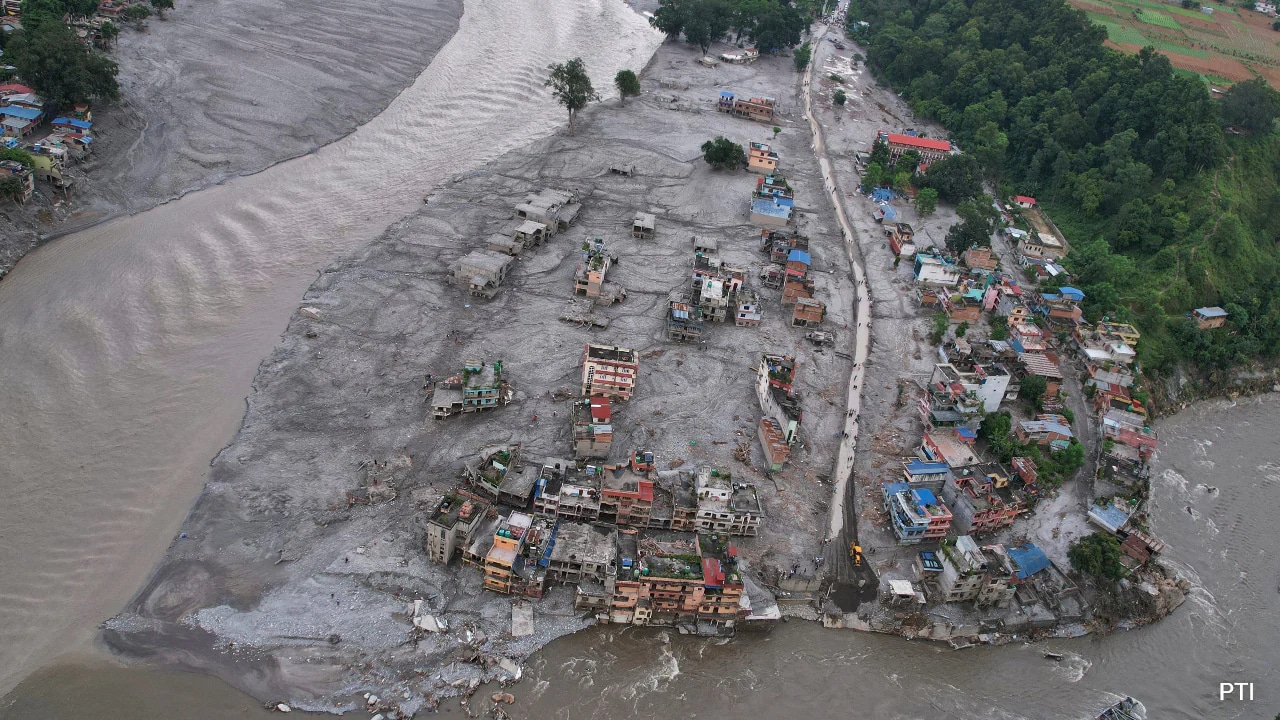
Natural disasters test international response systems in ways textbooks never predict. When flash floods sweep through mountainous terrain, communication grids go dark instantly. Roads vanish. Bridges turn into toothpicks. Families thousands of miles away wait by their phones for a ping that might never arrive.
Right now, that nightmare is playing out for hundreds of families. The Indian Ministry of External Affairs confirmed that contact has been re-established with 50 Indian nationals in Nepal, while a total of 108 people have been rescued following massive flash floods. Yet, the crisis is far from over. Over 275 Indian nationals and 128 persons of Indian origin remain missing or uncontactable.
The Scale of the Disaster on the Ground
Getting clear data during a mountain flood is nearly impossible. Water moves fast. Debris blocks mountain passes.
According to government updates, the logistical nightmare spans multiple borders. While rescue teams pull survivors from muddy debris, hundreds of other travelers caught in the region tell a different story of survival. Around 598 Indian nationals safely crossed into Nepal from China over a span of two days, according to local government sources in China. Another 900 remain on the Chinese side—safe, but stuck and waiting for clear transit routes.
When you look at these numbers, the sheer chaos of regional transit becomes obvious. Pilgrims, tourists, and workers find themselves trapped between closed borders and washed-out infrastructure.
How Rescue Missions Operate Across Borders
Diplomacy usually moves slowly. Emergency response does not.
Indian embassies in both Kathmandu and Beijing have scrambled to coordinate rescue and relief efforts. Their primary job right now isn't just handing out blankets. It is tracking down people who went off the grid during the peak of the storms.
Missions on the ground are monitoring the transit of travelers returning from the Kailash Manasarovar Yatra through Nepal. This specific pilgrimage route crosses some of the most treacherous terrain in the world. When weather systems turn violent here, standard communication lines fail within minutes.
Rescuing people is step one. Identifying the dead is step two.
The Indian Embassy in Nepal has urged families to check updates through official channels. The Nepal Police website now regularly publishes photographs and descriptions of recovered victims. Embassy officials are working directly with local authorities to ensure that mortal remains are identified and handed over to grieving families.
What You Need to Know If You Are Looking for Loved Ones
If you are currently trying to reach someone traveling in Nepal or along the border regions, standard panic won't help. Official channels are your only reliable lifeline.
- Keep local embassy emergency helplines saved and active.
- Monitor official updates from the Ministry of External Affairs rather than unverified social media forwards.
- Check the Nepal Police portal if you are searching for missing relatives who match demographic descriptions of disaster victims.
Borders matter very little when disaster strikes. India and Nepal share deep civilizational ties, but right now, those ties translate into boots on the ground, rescue helicopters, and sleepless nights for diplomatic staff trying to account for every single missing name.
Stay alert. Verify your sources. Keep lines open.