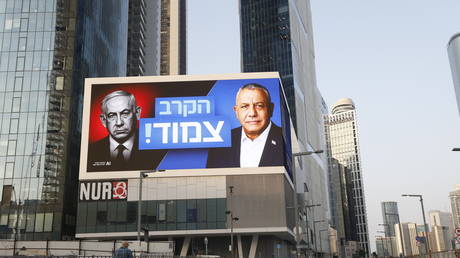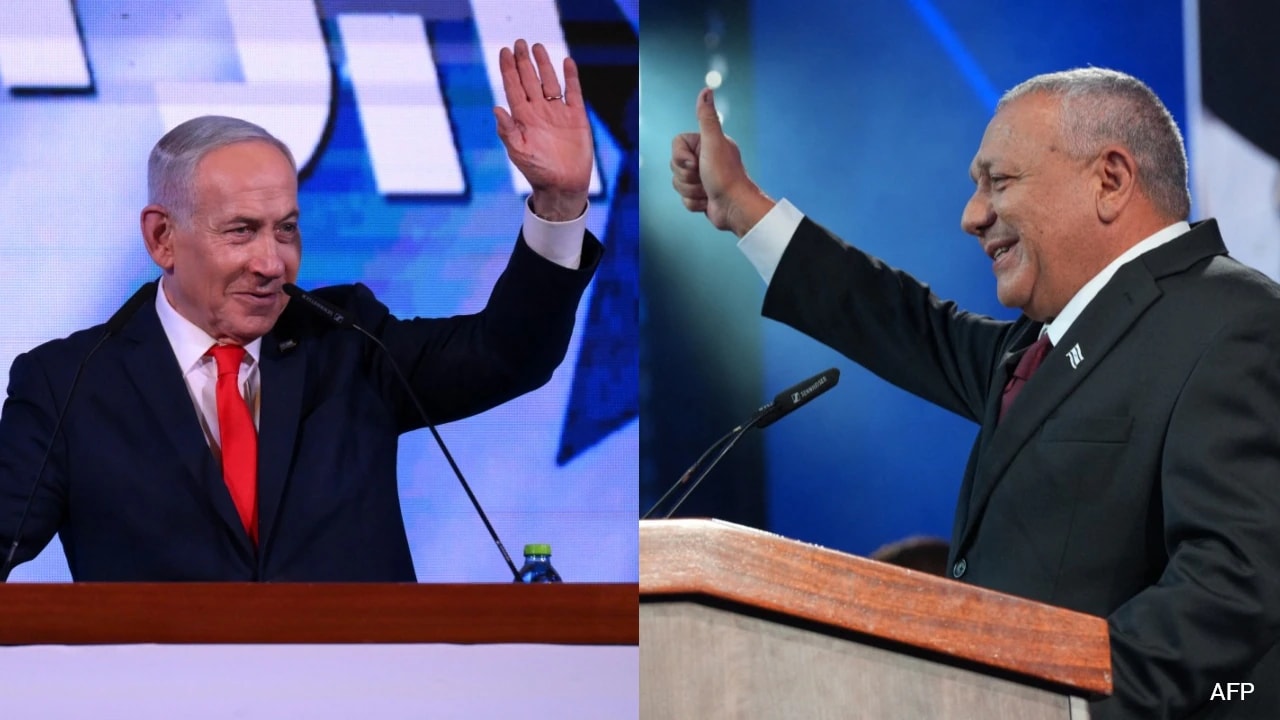
Benjamin Netanyahu offering Yashar leader Gadi Eisenkot a rotating prime minister deal, with Netanyahu going second, sounds like desperation at first glance. Look closer at the Knesset math and you'll see a calculated trap.
According to reporting from The Times of Israel, citing Israeli outlets Channel 13 and Kan, Netanyahu is preparing to float a power-sharing arrangement where Eisenkot takes the top job first and Netanyahu follows as prime minister. Rather than making a clean public pitch, Netanyahu's camp is expected to test the waters through unofficial channels so Likud can keep plausible deniability while party insiders argue over the terms. Don't forget to check out our recent article on this related article.
Eisenkot isn't biting. Reports indicate he remains skeptical of Netanyahu's offers and is moving ahead with plans to swear in a government next week, well before his 28-day mandate from President Isaac Herzog runs out on December 6.
If you're trying to figure out whether this rotating prime minister deal is a genuine lifeline or just a stalling tactic, the short answer is that it's a high-stakes bid to split a fragile bloc before the clock runs out. In Israeli coalition politics, rotation pacts have a notorious track record of collapsing or turning into power struggles, and Eisenkot has every reason to treat a second-in-line promise from Netanyahu with heavy caution. If you want more about the history of this, The Washington Post offers an informative breakdown.
What Netanyahu's Rotating PM Offer Really Means for the Deadlock
A rotation offer isn't charity. It's a pressure move aimed directly at the fault lines inside the anti-Netanyahu camp.
Right now, Eisenkot's coalition math is tight. Together, Eisenkot's Yashar party, Yair Golan's The Democrats, and Avigdor Liberman's Yisrael Beytenu hold 36 seats out of 120 in the Knesset. Bring in Naftali Bennett's B'Yachad party, and the bloc reaches 48 seats. That still leaves Eisenkot 13 seats shy of a 61-seat majority.
By floating a deal where Eisenkot goes first and Netanyahu serves second, Netanyahu tries to accomplish three things at once:
- Test coalition loyalty: Eisenkot has reportedly told Golan and Liberman that he won't cut a unity deal with Likud without their sign-off, and both leaders have ruled out serving under Netanyahu. Putting a formal rotation option on the table tests how firm those pledges really are when the December 6 deadline gets closer.
- Keep Likud's base together: Senior figures around Netanyahu are divided over power-sharing, and unofficial backchannels let Likud float the idea without locking the party into a concession it might regret.
- Stretch out negotiations: Delaying a clean break buys time in a system where every day before December 6 changes the leverage of smaller factions and individual lawmakers.
Honestly, from Eisenkot's seat, taking Netanyahu's word on a "you go first, I go second" rotation is kinda like trusting a timer that hasn't been calibrated. Even if the ink dries, political incentives in Jerusalem shift fast once a government is sworn in.
Why Eisenkot's Bloc Is Struggling to Hit 61 Seats
To understand why rotation rumors keep popping up, you have to look at who is in the room—and who isn't.
A 48-seat grouping of Yashar, The Democrats, Yisrael Beytenu, and B'Yachad is a serious counterweight, yet it can't govern alone. In a 120-seat parliament, getting from 48 to 61 requires either pulling in Likud, winning over ultra-Orthodox parties, or securing backing from Arab-majority factions such as Ra'am.
Here's where the friction inside Eisenkot's own orbit gets tricky:
Naftali Bennett's Unity Push vs. Reservist Fatigue
Bennett, who leads B'Yachad, has publicly argued for a unity government with Likud and could push back against an Eisenkot-led lineup if he feels talks with Netanyahu haven't been exhausted, according to senior figures in Eisenkot's bloc cited by Channel 13.
That pitch runs straight into fierce pushback from inside the bloc. One senior official in Eisenkot's camp, quoted by Channel 12 via The Times of Israel, argued that pitching Likud unity as a cure for the strain on military reservists misses reality. In this official's view, Netanyahu's unity pitches have consistently kept ultra-Orthodox allies and a draft exemption law on the table—meaning a deal with Likud would deliver both Netanyahu and continued draft exemptions for the ultra-Orthodox.
That clash exposes the core ideological tension in the room. One side sees broad unity as a way to avoid another stalemate; the other sees it as trading away the very issues voters demanded change on.
Ra'am's Terms and the Security Trade-Off
Meanwhile, Mansour Abbas's Ra'am party has signaled a willingness to back an Eisenkot-led government's security decisions across a proposed four-year term in exchange for ministerial roles and major investments in Arab communities.
According to reporting from Channel 12 via The Times of Israel, Ra'am's wish list includes:
- Cabinet seats for Mansour Abbas and MK Yoav Segalovitz.
- A broad plan to fight crime in Arab society.
- A five-year development program for Arab towns and mixed cities backed by tens of billions of shekels.
- A national construction-regulation effort, especially for Arab communities in the Negev.
Ra'am isn't expected to enter the coalition on day one, and Abbas has indicated openness to phased implementation once Eisenkot commits, with plans to expand the coalition later. Reports also note Abbas is slated to publicly recognize Hamas as a terrorist organization in an upcoming Channel 12 interview, with Ra'am arranging private security amid heightened threats ahead of those comments.
Bringing an Arab-majority party into the orbit of a coalition that includes right-leaning or hawkish voices like Liberman and Bennett is never simple. Every concession on funding or West Bank policy risks alienating one faction while trying to win another.
What Most People Miss About Rotating Governments in Israel
People outside Israeli politics often treat a rotating prime minister deal as a neat compromise—split the term in half, shake hands, move on. In practice, rotation agreements in Israel are notoriously brittle.
First, second-half promises are hardest to enforce. Whoever holds the prime minister's chair first controls appointments, agendas, and political momentum. By the time the handover window arrives, coalition partners may have new grievances, shifting polls, or incentives to collapse the Knesset rather than hand power over.
Second, backchannel offers create noise, not certainty. When proposals move through unofficial channels so Likud can maintain plausible deniability, nobody has to own the fine print. That keeps talks alive, yet it also makes it harder for negotiators to trust that a real deal exists beneath the spin.
Third, a minority bloc doesn't magically become a majority just by talking. Even if Eisenkot swears in a government next week ahead of the December 6 deadline, holding the mandate and passing legislation with a razor-thin or outside-backed majority are two very different things.
A quick reality check on accuracy: the details here reflect live coalition maneuvering and media reports rather than a finalized agreement. Until a coalition deal is signed and approved by the Knesset, any rotation terms or cabinet lineups remain fluid and contested.
Practical Ways to Track This Deadlock Without Getting Played by Rumors
Coalition season in Israel produces dozens of leaks a day, and half of them are trial balloons meant to move a rival's position. If you want to follow what actually happens next—whether you're a policy watcher, a journalist, or just trying to make sense of the headlines—focus on concrete signals instead of anonymous whispers.
- Watch the December 6 clock first. President Isaac Herzog's 28-day mandate expires on December 6. Pay attention to whether Eisenkot moves to swear in a government next week or asks for time as the deadline closes in.
- Track Bennett's red lines. Watch whether Bennett stays aligned with Eisenkot's push to form a government or breaks ranks over whether negotiations with Likud have gone far enough.
- Separate day-one votes from later expansion. Look closely at whether Ra'am's backing is promised for security votes and phased commitments, or if formal cabinet seats for Abbas and Segalovitz are demanded upfront.
- Verify whether a rotation offer is formal or unofficial. A leak through Kan or Channel 13 about plausible deniability tells you Likud is testing reactions, not that Netanyahu has surrendered leverage.
Deadlines force choices. Before December 6 arrives, someone in Jerusalem is going to have to blink.