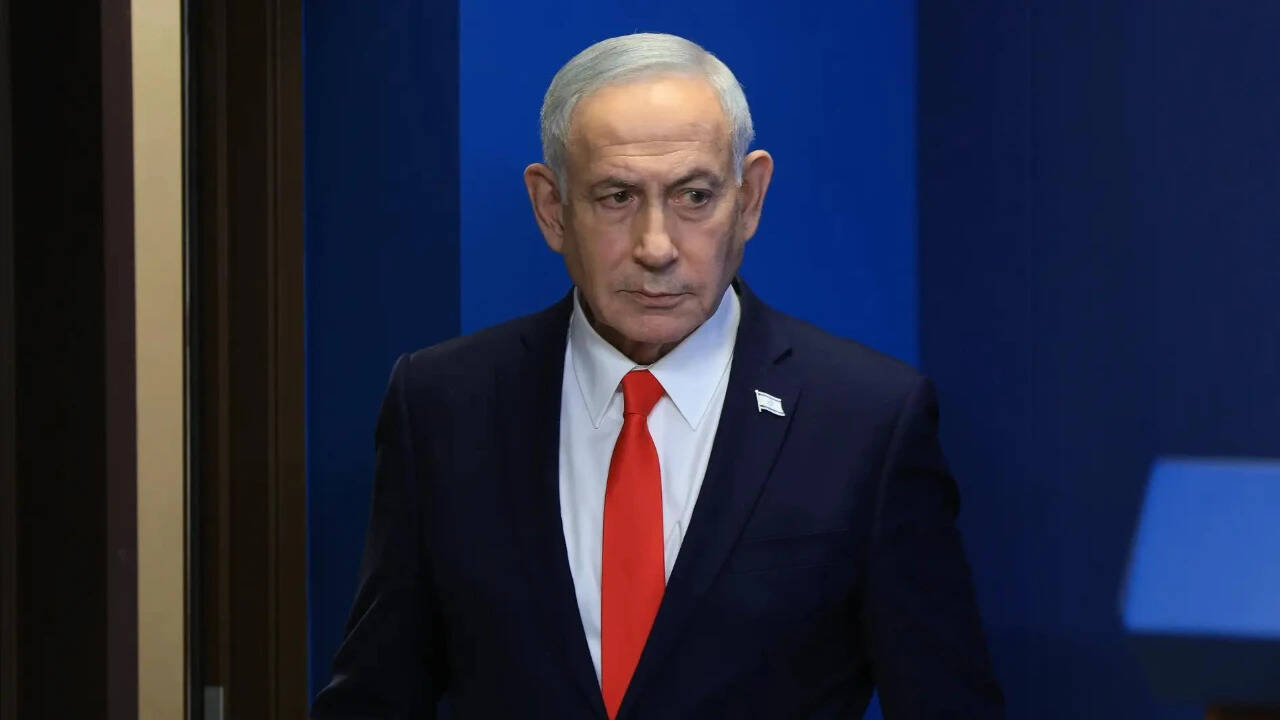
Benjamin Netanyahu just sent a clear, unapologetic message from inside Lebanese territory. Despite a freshly signed, U.S.-brokered peace framework intended to de-escalate the regional war, the Israeli Prime Minister made it obvious that the Israeli Defense Forces (IDF) aren't packing their bags.
Standing alongside Defense Minister Israel Katz and top military brass in the self-declared 10-kilometer buffer zone, Netanyahu told troops that Israel will not leave southern Lebanon as long as an armed Hezbollah poses a threat. It's a massive reality check for anyone who thought last week’s diplomatic signing in Washington meant an immediate end to the military occupation.
This wasn't just a routine photo-op. It was a calculated geopolitical stance. By telling his soldiers to act immediately against any perceived threat without waiting for orders, Netanyahu signalized that Israel is dictating the terms on the ground, regardless of what the diplomatic paperwork says.
The Reality of the US-Backed Security Deal
Just days ago, Israel, Lebanon, and the United States signed a trilateral framework designed to pave a pathway toward permanent peace. The agreement looks great on paper. It outlines a phased process where the Lebanese Armed Forces (LAF) are supposed to gradually assume control of the south. In exchange, the IDF is supposed to progressively pull back from designated pilot zones.
But there is a massive catch.
Any actual Israeli withdrawal is strictly conditional. The deal demands the verified disarmament of Hezbollah and other non-state armed groups first. Netanyahu is using this exact clause as his leverage. He knows, and frankly most military analysts know, that the Lebanese army lacks the capability or the political will to forcefully disarm Hezbollah. Expecting the Lebanese military to suddenly charge at Hezbollah like lions isn't realistic. Because of that, the IDF's presence in the occupied security zone is turning into a long-term fixture.
Inside the Numbers of the Lebanon Campaign
During his address to the troops, Netanyahu shared some incredibly revealing figures regarding the sheer scale of the conflict that kicked off on March 2.
- 9,000: The number of Hezbollah fighters Israel claims to have killed since the escalation.
- 8%: The fraction of Hezbollah's massive 150,000 rocket and missile stockpile that Israel estimates is left.
- 4,200+: The death toll in Lebanon according to Lebanese authorities, alongside over one million displaced civilians.
- 38: The number of Israeli soldiers killed in action within the same timeframe.
Even if Hezbollah is down to single-digit percentages of its original arsenal, 8% of 150,000 is still 12,000 rockets. That is more than enough firepower to keep northern Israeli communities completely paralyzed. This is exactly why the Israeli government considers the 10-kilometer deep buffer zone an absolute necessity. They've systematically demolished border villages and neutralized underground tunnels to ensure no cross-border raids can happen again.
A Conceptual Paradigm Shift
What we're seeing right now is what Netanyahu calls a "conceptual change" in border defense. For years, Israel tolerated terrorist armies setting up camp right on its security fences, relying on deterrence. That strategy failed spectacularly in the past.
Now, the strategy is shifting to proactive buffer zones built entirely on the adversary's side of the border. Israel did it in Gaza, and now they are doing it in Lebanon. The logic is simple: if you want to protect your citizens from anti-tank fire and sudden incursions, you physically control the territory on the other side.
While the diplomatic framework marks the first official Lebanese recognition of Israeli sovereignty since 1983, the actual peace remains incredibly fragile. Just hours after Netanyahu's visit, Lebanese state media reported fresh Israeli strikes in the south. The fighting hasn't truly stopped, and the U.S. pressure that forced the June 19 ceasefire is colliding head-on with Israel's stubborn defense requirements.
What Happens Next
Don't expect a quick resolution. If you are watching this conflict unfold, keep your eyes on these specific indicators over the coming weeks:
- The Pilot Zones: Watch how the transfer of the two initial pilot areas to the Lebanese army plays out. If the LAF fails to secure them or if Hezbollah re-enters, the wider deal is dead.
- UNIFIL's Mandate: The United Nations is quietly pushing to maintain its peacekeeping presence in the south before its mandate expires at the end of the year. Israel strongly opposes this, viewing the UN forces as utterly ineffective at deterring Hezbollah.
- The Iran Factor: Tehran is trying to tie a Lebanon ceasefire to its broader regional negotiations with the United States. Israel is actively resisting this, refusing to let its immediate northern security become a bargaining chip in Washington's grand bargain with Iran.
The diplomatic framework is just the beginning of a incredibly complex process. On the ground, the reality is defined by tanks, buffer zones, and a clear refusal to retreat.