Heavyweights are back in play.
When Mary Beard and her panel of judges sorted through 163 novels to pick the thirteen books for the 2026 Booker Prize longlist, they didn't play it safe. Past winners Marlon James and Douglas Stuart are back in the running, standing side-by-side with Pulitzer laureate Elizabeth Strout. For another view, check out: this related article.
If you thought literary awards only chase obscure debuts, this year's semifinalists prove otherwise. But the real story isn't just about the famous names. It's about a selection that swings wildly from late-1980s Jamaica to post-apocalyptic coastal towns, reminding us why this 50,000-pound prize still matters.
The Titans Leading the Pack
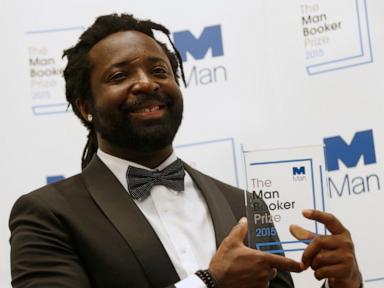
You can't ignore pedigree. Marlon James won the prize back in 2015 for A Brief History of Seven Killings. This time, he's back with The Disappearers, a massive 600-page book set in Kingston that tracks a violent homophobic attack on eight gay men during a play rehearsal. It's gritty, risky, and entirely uncompromised. Further coverage regarding this has been shared by IGN.
Douglas Stuart took the trophy home in 2020 with his heart-wrenching debut, Shuggie Bain. Now, his third novel, John of John, joins the semifinalists. It's set on the rugged Isle of Harris in the Outer Hebrides, diving deep into family shame, domestic friction, and a young man named Cal caught between his devout father and Glaswegian grandmother.
Then you have Elizabeth Strout. She's a three-time Booker nominee now, earning her spot with The Things We Never Say. Strout brings her signature emotional precision back to the table, expanding her familiar universe with characters who feel entirely real.
If either James or Stuart wins again, they'll join an elite group of double-winners like Margaret Atwood and Hilary Mantel. That's rare air.
Debuts and Wildcards That Broke the Mold
Awards committees love taking a chance on fresh blood, and this year's list features ten first-time nominees alongside three distinct debut novelists.
Take Kenan Orhan. His debut novel, The Renovation, turns a simple home renovation project by a Turkish exile into an unexpected psychological prison cell. It's weird, surreal, and precisely why the judges praised this cycle for rewarding risk.
On the thriller front, 28-year-old Djamel White enters as the youngest author on the list with All Them Dogs, tackling the gritty underworld of Dublin gangs. At the other end of the age spectrum, 81-year-old M. John Harrison injects hard sci-fi into the mix with The End of Everything, a sharp satirical look at a post-apocalyptic Kent coast.
What the Judges Actually Looked For
Mary Beard didn't mince words when describing the collection. She called the thirteen books literary "dynamite."
The panel—which included musician Jarvis Cocker and novelist Patricia Lockwood—purposely avoided books that felt stiff or predictable. They weren't looking for standard, middle-of-the-road historical fiction. They wanted books that challenge how we think.
Some entries lean heavily into dark humor. Others deal with medical ethics, like Emma Cline's Switzy, which follows a retired executive heading toward an assisted-suicide clinic in Zurich.
What Happens Next
The race isn't over yet. The field of thirteen will get hacked down to six finalists on September 22. After that, the final winner takes home the £50,000 prize at a London ceremony on November 9.
If you want to keep up with contemporary fiction that actually pushes boundaries, grab a copy of one of these longlisted titles before the shortlist drops.