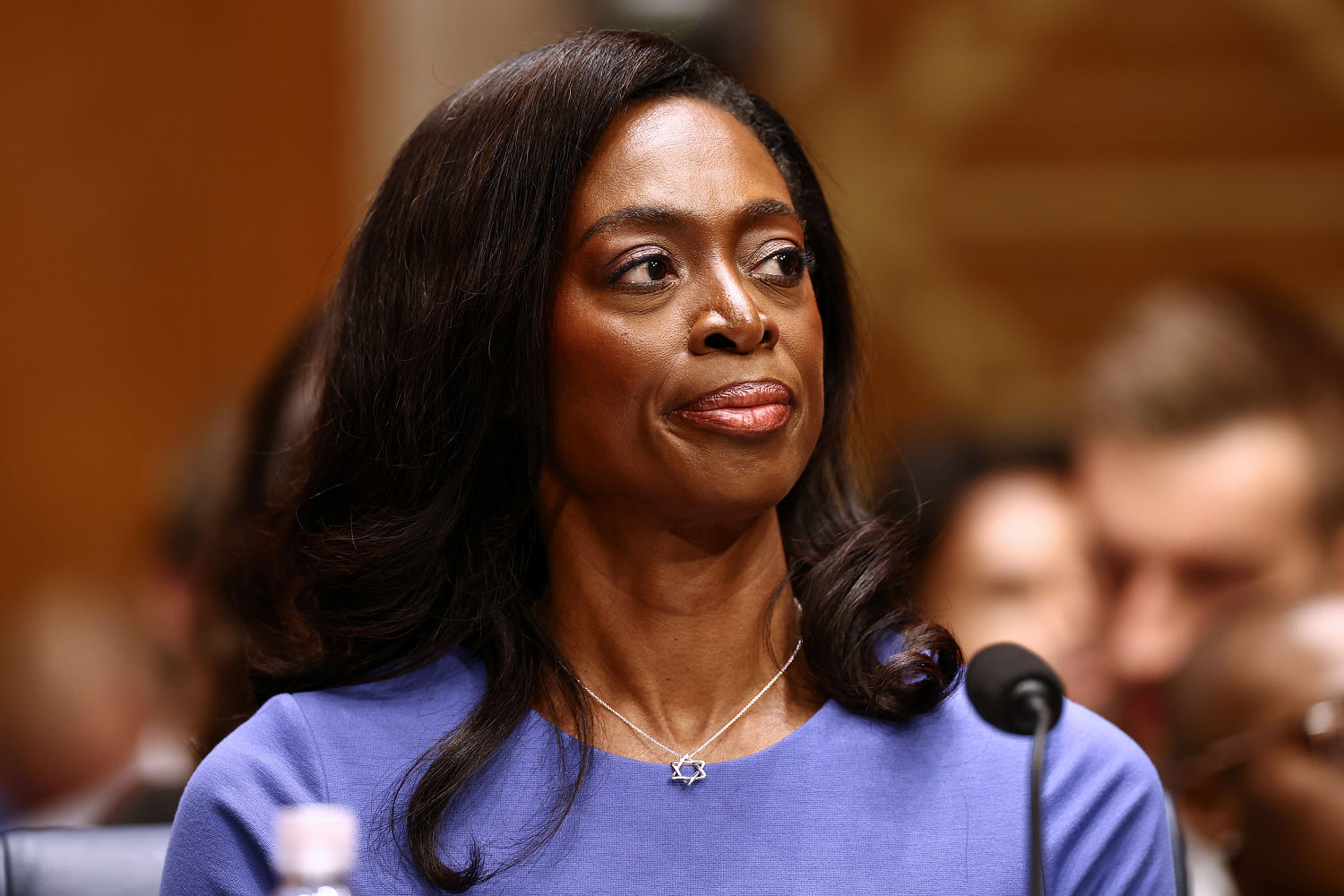
The Centers for Disease Control and Prevention finally has a permanent boss. After nearly a year of musical chairs, interim chiefs, and a heavy vacuum at the top, the U.S. Senate has officially confirmed Erica Schwartz as the permanent CDC director.
If you have been watching federal health policy over the last year, you know how desperate the agency has been for stable leadership. Schwartz steps into office facing a 35-year high in domestic measles cases, a persistent cyclosporiasis outbreak tied to shredded iceberg lettuce, and a deeply fractured public trust. Her confirmation ends a turbulent stretch of temporary oversight, but the real work starts now.
A Conventional Choice for an Unconventional Season
Schwartz is not a typical political appointee. She brings a heavily credentialed background to the table. Holding a medical degree from Brown University, a Master of Public Health from the Uniformed Services University of the Health Sciences, and a law degree from the University of Maryland, her CV spans decades.
She spent 27 years in combined uniformed service. She started as a Navy physician, moved into the U.S. Public Health Service, and served as the chief medical officer for the Coast Guard where she managed influenza pandemic responses across multiple clinics. Later, she served as the deputy surgeon general during the first Trump administration.
Public health observers breathed a collective sigh of relief because she is viewed as a conventional choice. After a series of rapid leadership changes under Health and Human Services Secretary Robert F. Kennedy Jr.—including the ouster of previous directors—the agency needed someone who understands how institutional machinery operates.
The Senate Grilling and the Independence Question
Her path to confirmation was anything but smooth. During her July confirmation hearings before the Senate Health, Education, Labor, and Pensions Committee, lawmakers grilled her hard on whether she would stand up to political interference from HHS.
Senator Bill Cassidy pressed her directly on whether she would push back if the administration attempted to undermine established science. Schwartz drew criticism from some public health advocates for dodging specific policy questions and playing cards close to her chest. Yet, she drew a hard line on core principles, stating plainly that she will never betray the science and affirming that vaccines are safe and effective.
Committee members eventually advanced her nomination on a 13-10 vote, largely satisfied that her long military and public health track record outweighed political concerns. Still, watchdog groups remain skeptical. They point to recent revisions on agency web pages regarding vaccine safety discussions as a sign of friction to come.
Immediate Crises Awaiting the New Director
Schwartz does not get a honeymoon period. She inherits an agency grappling with severe operational friction and active outbreaks.
- The Measles Surge: The United States is currently battling the highest number of measles cases in 35 years. Low vaccination rates in specific pockets have allowed the highly contagious virus to roar back.
- Foodborne Illnesses: An active cyclosporiasis outbreak tied to contaminated shredded iceberg lettuce requires constant tracking, inter-agency communication, and public warnings.
- Erosion of Vaccine Confidence: Years of mixed public messaging, shifts in advisory panel structures, and political debates have taken a toll on routine immunization rates.
Fixing these problems requires more than good press releases. Schwartz must rebuild internal morale among career scientists who felt sidelined during the prolonged leadership vacuum.
What This Means Moving Forward
If you track public health policy, healthcare business operations, or clinical guidelines, keep a close eye on how Schwartz structures her internal leadership team over the next ninety days. Her success depends entirely on whether she can insulate career researchers from political crossfire while restoring clear, unambiguous communication to local health departments.
The agency has its captain back. Now we find out if the ship can right itself.