The global governance playbook is broken, and lawmakers from across the Global South aren't whispering about it anymore. They are drawing lines in the sand.
When the 12th BRICS Parliamentary Forum wrapped up its two-day summit in New Delhi, the presiding officers didn't just issue polite diplomatic pleasantries. They adopted a hard-hitting joint declaration that takes direct aim at archaic international structures. If you’ve been paying attention to shifting global power dynamics, this wasn't just another routine meeting. It was a clear signal that the old architecture of international security and finance no longer serves the majority of the world's population.
Let's look at what actually happened and why it matters right now.
The Push for a Completely Overhauled Security Council
For decades, the United Nations Security Council has operated like a locked club with a permanent VIP section. The New Delhi Declaration calls out this imbalance head-on.
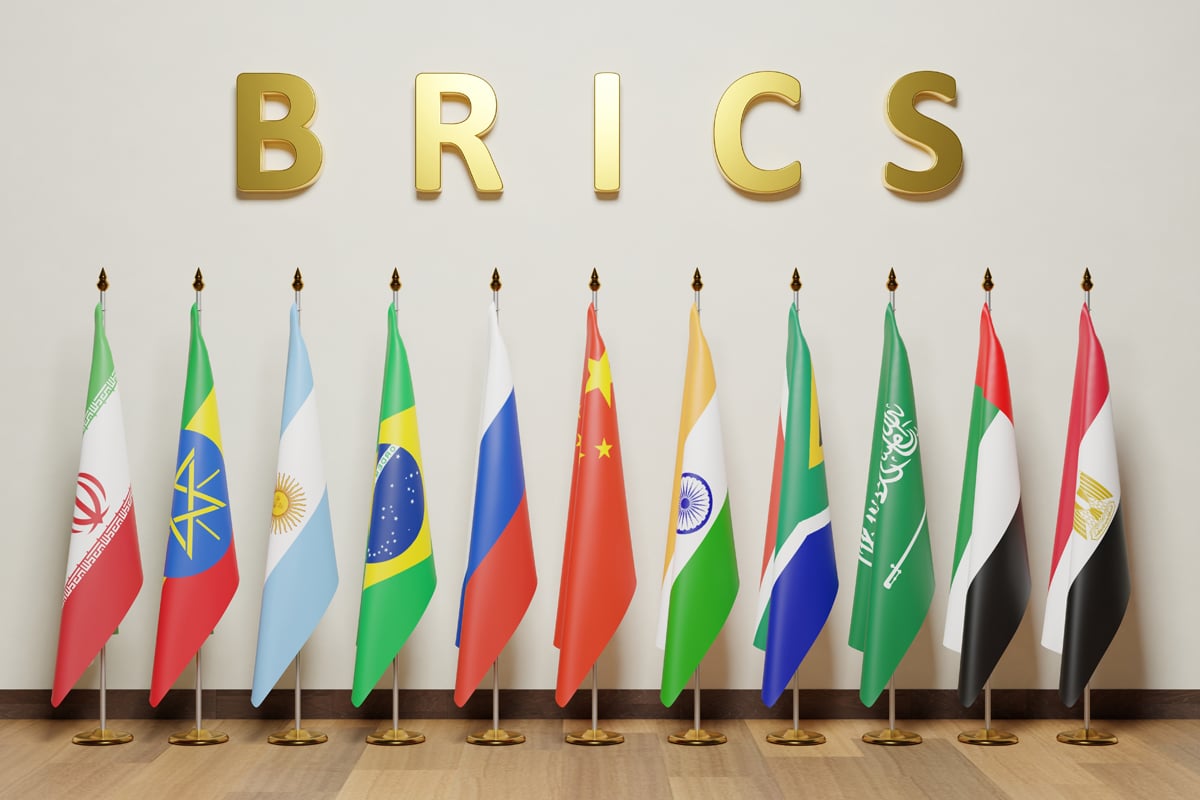
Member parliaments from nations spanning Brazil, India, South Africa, China, and newer additions like Egypt, Ethiopia, and the UAE stressed the urgent necessity of comprehensive UN reform. They aren't asking for minor cosmetic touch-ups. They want a Security Council that is genuinely representative, democratic, and efficient.
Why does this matter? Because right now, major geopolitical decisions get paralyzed by vetoes from powers whose dominance peaked in the mid-twentieth century. The Global South represents the vast majority of human lives and economic output today. Keeping them locked out of primary decision-making roles is a recipe for irrelevance. Lawmakers at the forum made it clear that multilateralism only works if power is decentralized and shared fairly.
Zero Tolerance on Terror and the Push for Real Accountability
Security wasn't limited to boardroom debates over institutional reform. The forum addressed modern security threats with blunt language, specifically condemning cross-border terror networks and calling out double standards.
Delegates explicitly condemned the April 2025 terrorist attack in Pahalgam, Jammu and Kashmir, which claimed 26 lives. The consensus was absolute: terrorism has zero justification, period.
Furthermore, the declaration pushes for the immediate finalization and adoption of the Comprehensive Convention on International Terrorism within the UN framework. For years, international bodies have dragged their feet on defining and prosecuting terror universally because of political maneuvering. BRICS parliaments are demanding an end to selective outrage. If an entity is designated as a threat, every nation should treat it as one.
Economic Pressures and Unilateral Sanctions
It's no secret that economic weaponization has become the go-to tool for Western foreign policy. Freezing foreign reserves, cutting access to international payment networks, and slapping secondary sanctions on developing economies have real-world human costs.
The New Delhi declaration tackles this directly by condemning unilateral coercive measures that violate international law. Lawmakers pointed out that these economic weapons don't just target governments; they wreck food security, disrupt medical supply chains, and crush the right to development for ordinary people who have nothing to do with geopolitical spats.
When nations are penalized for trading or managing their economies outside traditional Western-dominated currency lanes, they look for alternatives. That is precisely why de-dollarization discussions and independent financial infrastructure keep gaining traction within these summits.
Technology, Climate Equity, and Practical Realities
Beyond geopolitics, the forum tackled the future of technology and climate finance. Artificial intelligence and digital public infrastructure are reshaping economies overnight. But without equitable access, the tech divide will simply replace the old colonial divides.
Delegates backed open, secure, and sovereign use of AI and Information and Communication Technologies, proposing digital public infrastructure repositories to share proven solutions across member states.
On climate change, the rhetoric cut through standard diplomatic fluff. Eradicating poverty remains the baseline challenge. Developed nations promised billions in climate finance over the years, but delivery has been sluggish and conditional. The declaration reiterates that rich nations must provide predictable, accessible financial resources and technology transfer to developing countries without locking them into punishing debt cycles.
You can't preach green transitions while choking developing economies with unfair financial constraints.
What Comes Next for Global Multilateralism
India wraps up its BRICS Chairship under the banner of building resilience, innovation, cooperation, and sustainability, handing the baton next to China for 2027.
Critics often dismiss these declarations as mere paper tigers that generate headlines before collecting dust. But dismissing them misses the broader trend. When dozens of nations representing billions of people consistently coordinate their legislative positions, bypass old financial rails, and demand a seat at the high table, the center of gravity shifts.
The old guard can ignore the writing on the wall for a little longer, but the room is running out of space.