You’ve probably seen the headlines. Denny’s is in a slump. The diner chain has shed 150 locations in two years. It’s been sold to private equity investors. It’s facing the same post-pandemic crunch that’s suffocating casual dining everywhere. Now, the company is pivoting hard toward catering to fix its bottom line.
Is this just another corporate Hail Mary? Maybe. But if you look at how these massive restaurant brands actually operate, the shift toward catering isn't just about selling more pancakes. It’s a calculated move to survive by changing where the food is consumed.
The economics of the breakfast tray
When you walk into a traditional diner, you’re occupying a seat. You’re using electricity, water, and waitstaff time. That physical footprint is expensive. Margins in the dine-in business are razor-thin, especially when labor costs are climbing and inflation is eating away at the average check.
Catering, however, changes the math.
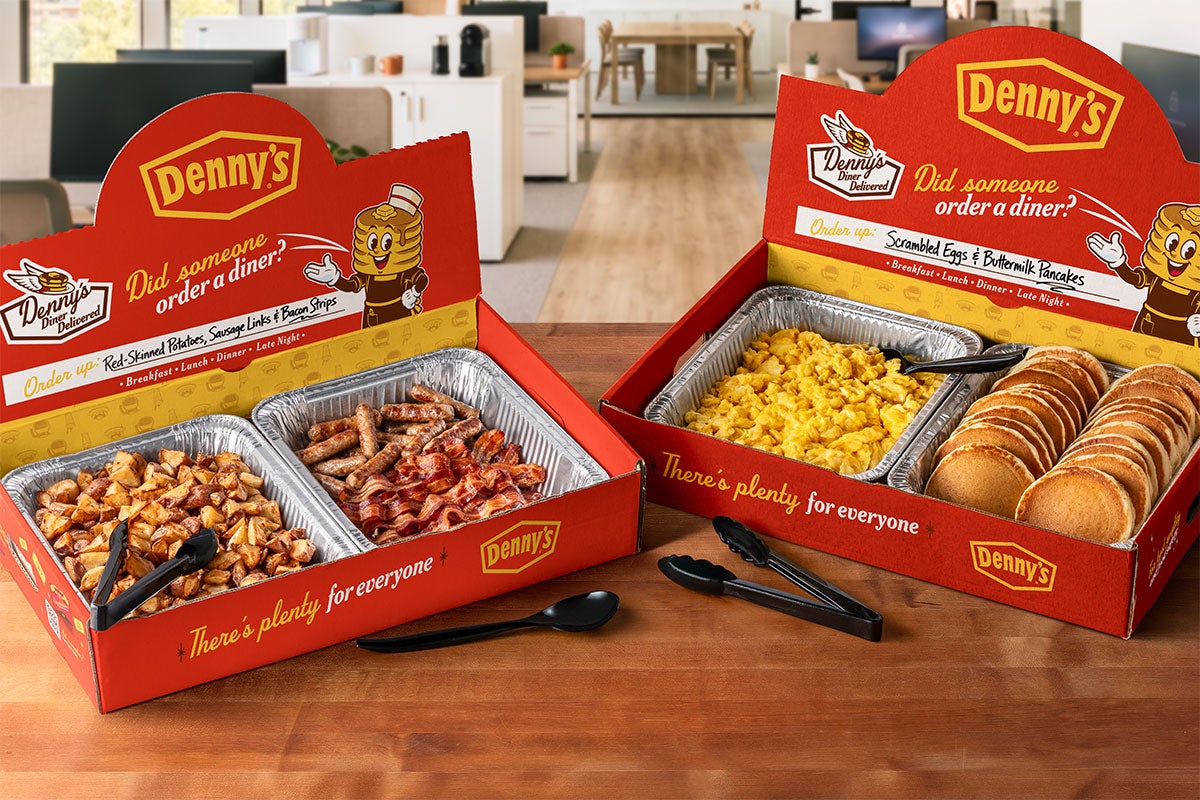
Instead of waiting for a family of four to walk through the door, a restaurant can now drop off a "Grand Slam" bundle at an office park or a local event. You aren't just selling a plate; you’re selling volume. You’re selling convenience. Most importantly, you’re selling to someone who didn't plan on visiting a diner that day.
The move to expand from 400 to 600 locations by the end of September isn't arbitrary. It’s an attempt to reach high-density office areas and event hubs. If you own a franchise, you need those weekday sales. The weekend breakfast rush is easy. Keeping the kitchen busy on a Tuesday at 10 AM is where you actually make your profit.
Why this shift is hard to pull off
I’ve looked at how these legacy brands struggle to adapt. It’s rarely about the food. It’s about operational complexity.
Cooking for one person at a booth is different from cooking for fifty people at an office lunch. The packaging has to be right. The delivery logistics have to be flawless. If a stack of pancakes arrives cold or soggy, you’ve lost a corporate client who might have ordered ten more times this year.
Denny’s is competing in a space that’s already crowded. Panera, various fast-casual chains, and even local caterers have owned this market for years. Denny’s has to prove that its "diner comfort" brand translates to a corporate board meeting.
That’s where the "Project Grand Slam" turnaround strategy comes in. CEO Christopher Bode is betting that the brand’s familiarity is enough to cut through the noise. But familiarity only gets you the first order. Consistency gets you the contract.
What is actually changing for the brand
The menu options for this catering initiative are predictably "Denny's." You’ve got the buffet bundles, the sandwich boxes, and the burger bars. It’s safe. It’s comfort food. And honestly, it’s what people usually want at a low-stakes office lunch.
Don't ignore the importance of "Build-Your-Own" options. When a restaurant offers a "Build-Your-Own Burger Bar," they’re outsourcing the assembly to the customer. That’s genius for operational speed. It also allows the restaurant to charge a premium for the convenience of having all the ingredients prepped, chopped, and ready to go.
The harsh reality of restaurant growth
Look, private equity firms don't take a company private and bring in new leadership just to keep the lights on. They want to see growth. When you’ve already closed 150 stores, you can’t shrink your way to success forever. Eventually, you have to find new revenue streams.
If you are following this as an investor or just someone interested in how chains survive, watch the weekday numbers. If they can capture the corporate catering market, they might just survive the current industry culling. If they fail to deliver on quality, they’ll find themselves with higher overhead costs and the same shrinking customer base.
Taking the right approach
If you’re running a business or even a smaller operation, the lesson here is clear. Stop waiting for the customer to come to you. If your physical location isn't driving enough traffic, figure out how to take your product to where the volume is.
Denny’s is essentially trying to turn every diner into a regional food hub. It’s a risky play. It requires retraining staff and potentially reconfiguring kitchen workflows. But it’s a necessary one.
The restaurant landscape in 2026 isn't the same one we knew five years ago. Convenience is king. Speed is the queen. If you can’t get the product to the customer, you’re already out of the game. Watch these next few months. If the expansion hits those 600 locations and the feedback holds up, Denny’s might just have a shot at a real comeback. Otherwise, they’re just burning capital on a different way to fail.