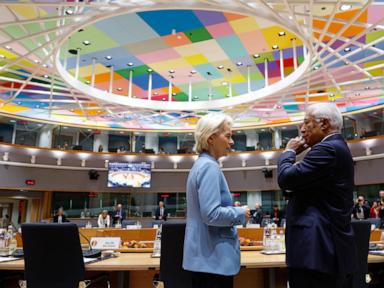
Getting 27 distinct governments to agree on anything is a nightmare. Try getting them to sign off on a multi-trillion-euro spending plan, and you've got yourself a political disaster. Right now, European Union leaders are clashing hard over the bloc's long-term budget, and a final deal is looking less likely by the day.
If you're wondering why everyone in Brussels is suddenly panicking, it comes down to hard cash and stubborn politicians.
The Core Conflict Behind the EU Budget Standoff
The core argument is simple. Brussels wants more money to handle modern crises, while net-contributing nations are slamming on the brakes.
The Irish EU presidency recently tabled a compromise proposal for the 2028-2034 multiannual financial framework (MFF), slashing about 8% off the European Commission's original plan. That brings the total down to roughly €1.6 trillion.
Sounds like a step toward compromise? Not to the countries footing the bill.
Swedish Prime Minister Ulf Kristersson called the numbers "far too big, far too expensive." Sweden is one of about eight or ten net-contributing countries that pay far more into the EU treasury than they ever get back. For Stockholm, the proposed package would jack up their national contribution by almost 60%.
That is an impossible pill to swallow for domestic taxpayers who expect their money to fund local schools, hospitals, and infrastructure instead of bureaucratic expansion in Brussels.
Why Germany and the Frugals Aren't Backing Down
Sweden isn't standing alone in this fight. Germany, the economic engine of Europe, is also pushing back hard against the spending plans.
Chancellor Friedrich Merz acknowledged the effort behind the Irish compromise, but made it crystal clear that Europe remains miles away from an actual agreement. The messaging from Berlin is direct: the EU budget must be affordable for the countries actually financing the bulk of it.
When Europe's biggest economy says you're spending too much, you listen. Major net contributors want hundreds of billions more hacked away from the totals before they even consider signing on the dotted line.
They argue that inflation, sluggish domestic growth, and competing national priorities make the current numbers wildly unaffordable.
The High Stakes of Missing the Deadline
The big question driving all these negotiations is whether a deal can be hammered out before the target deadline. Originally, the goal was to secure the framework without dragging things out past the final hour, avoiding the kind of bitter, gridlocked fights that paralyzed past financial packages.
Every month of delay increases administrative uncertainty for hundreds of regional programs, agricultural subsidies, and strategic investments across the continent.
Yet, unanimity is required. All 27 member states need to say yes, along with the European Parliament. When even a handful of wealthy member states dig their heels in and demand hundreds of billions in cuts, the consensus crumbles.
If you're tracking European politics, you know that budgetary fights rarely resolve quickly. National leaders face intense domestic pressure to protect local taxpayers. Until Brussels finds a way to trim the fat to the satisfaction of the net contributors, this standoff will keep dragging the 2027 timeline into serious doubt.