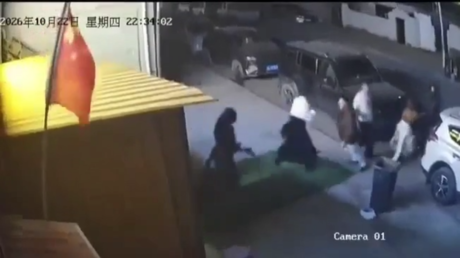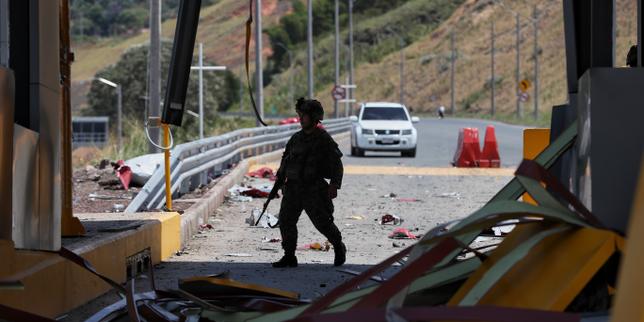
Explosions ripped through a highway toll booth near Cali just hours after the new government took power. It wasn't a random act of vandalism. It was a clear, calculated message. Dissidents of the former Farc guerrillas want the incoming administration to know they aren't backing down.
Abelardo de la Espriella assumed the presidency with a hardline mandate. He promised voters he would crush narcoterrorism without mercy. He also declared peace talks completely dead. The rebel factions led by figures like Ivan Mordisco answered back immediately with high explosives on the Pan-American Highway.
The High Cost of Broken Peace Accords
You can trace the roots of this violence back to the 2016 peace deal. Thousands of guerrillas laid down their arms back then. But hardline factions refused to quit. They kept their weapons. They kept running cocaine routes and illegal gold mines through strategic regions like Cauca.
When peace negotiations stalled or collapsed entirely, these groups reverted to asymmetric warfare. Car bombs, drone strikes on police stations, and infrastructure destruction define their playbook now.
Consider what happened in Santander de Quilichao. Explosives leveled a toll plaza under construction. Security guards barely survived, walking away with minor injuries. Meanwhile, in the northern department of Cesar, a separate drone attack killed a police officer. The message is brutal and nationwide.
A Radical Shift in State Response
Previous administrations tried years of conditional dialogue. That era is over. President de la Espriella took office vowing to adopt an iron-fist approach. He wants foreign intelligence backing, heavy aerial bombardments, and maximum pressure. He even talks about building mega-prisons modeled after systems in other nations to house captured cartel leaders and militia commanders.
The military blames Ivan Mordisco's faction for the southwestern attacks. They are hunting the country's most wanted guerrilla leader across rugged terrain. But jungle warfare against mobile dissident cells is notoriously difficult. Bombs on highways prove that rebels can still strike vital economic arteries whenever they choose.
What Comes Next for Ordinary Citizens
Daily life in regions like Cauca and Valle del Cauca remains tense. Travelers avoid major routes after dark. Local commerce suffers every time a bridge or toll booth gets blown up.
The new government faces a massive test of capability. Rhetoric about zero tolerance plays well during election campaigns. Delivering actual security across millions of acres of jungle and mountain roads is an entirely different challenge.
If you're watching Latin American politics right now, keep an eye on how quickly the military escalates offensive operations. Security forces are deploying heavier assets. Dissidents are testing the boundaries of the new presidency. The confrontation is just beginning.