Air travel across the Middle East is suddenly facing an unprecedented operational crisis. When Yemen's Houthi movement declared Saudi airspace an active theater of operations following a deadly missile strike on Riyadh international airport, the calculus for global airlines shifted overnight. You aren't just looking at routine flight delays anymore. You are looking at a fundamental remapping of international aviation corridors over the Arabian Peninsula.
Let's look at what actually happened on the ground. A major attack on Riyadh's primary aviation hub left 12 people dead and over 300 injured, forcing immediate shutdowns. Aviation sources in the Saudi capital confirmed that vital infrastructure, including radar and communications equipment, sustained direct hits. Runways require rigorous safety assessments before any commercial aircraft can safely touch down. Flight tracking data from platforms like Flightradar24 shows consecutive 24-hour extensions on airport closures, leaving international carriers scrambling to reroute hundreds of flights daily.
The Real Impact On Global Aviation
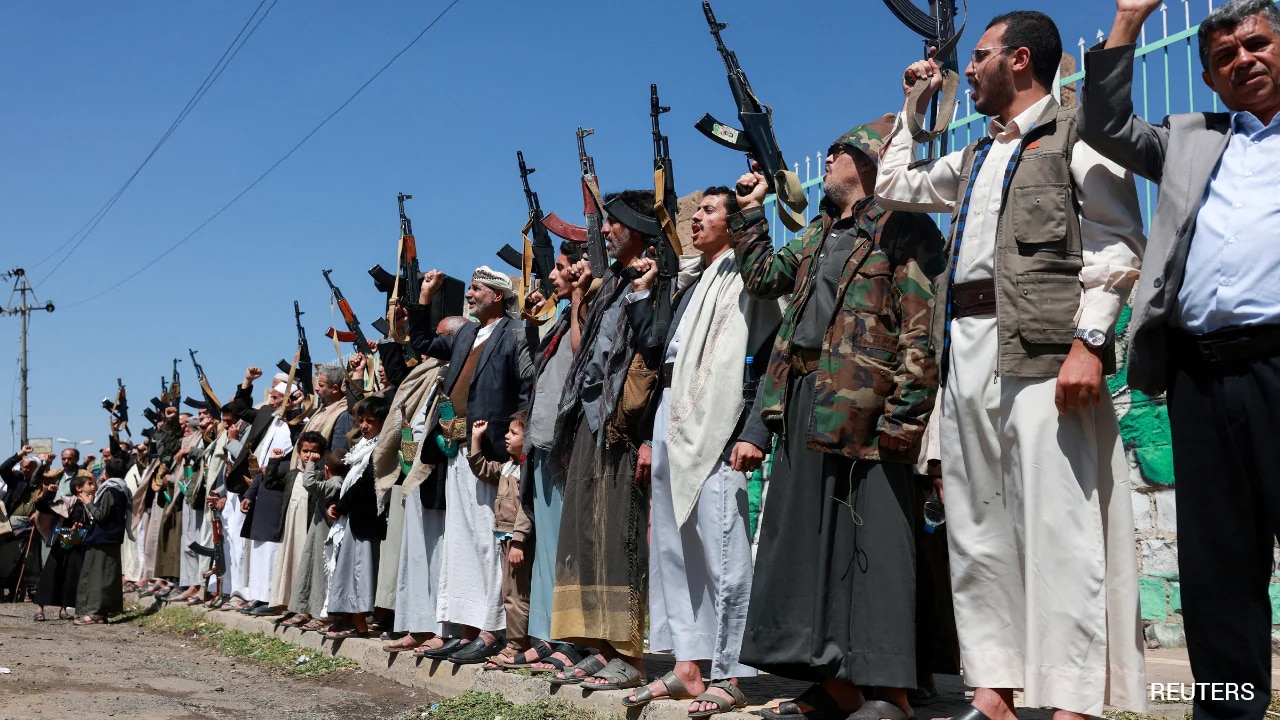
When military groups start treating national airspace as a combat zone, commercial aviation becomes collateral damage. Houthi military spokesman Yahya Saree issued an explicit public warning on social media. He told aviation companies, flight crews, and travelers to steer clear of all Saudi airports and airspace, making a specific exception only for the holy sites of Mecca and Medina.
If you are running flight operations for a major international carrier, you cannot ignore that kind of directive. Insurance underwriters pay close attention when surface-to-air threats or ballistic capabilities are openly targeted at civil aviation hubs. Premiums for flying through Middle Eastern corridors are skyrocketing. Some carriers are already choosing longer, fuel-heavy detours rather than risking the airspace above Saudi Arabia's major metropolitan centers.
Why This Escalation Feels Different
We have seen regional tensions flare up for years, but targeting major civilian airports marks a grim escalation. Riyadh handles vast volumes of passenger and cargo traffic connecting Asia, Europe, and Africa. When operations grind to a halt because radar systems are damaged and terminals are struck, the shockwaves hit global supply chains and passenger transit alike.
Look at how governments are responding. Western nations, including the US, Canada, and the UK, have quickly updated travel advisories for citizens residing in or traveling to the region. They aren't taking chances. When missiles pierce air defense perimeters around a capital city, standard security protocols go out the window.
What Travelers And Airlines Must Do Now
If you have upcoming travel booked through Riyadh or other major Saudi hubs, you need to check your flight status immediately rather than relying on automated airline notifications. Delays are compounding, and rescheduling options are filling up fast as thousands of stranded passengers compete for open seats on alternative carriers.
Airlines are currently forced into a reactive posture. Dispatchers are re-evaluating fuel loads, flight paths, and crew scheduling to bypass restricted zones safely. Expect higher ticket prices on remaining open routes as carriers absorb the extra fuel costs of longer detour paths. The situation remains fluid, and until damage assessments are complete and airspace security is re-established, caution is the only rational strategy left on the table.