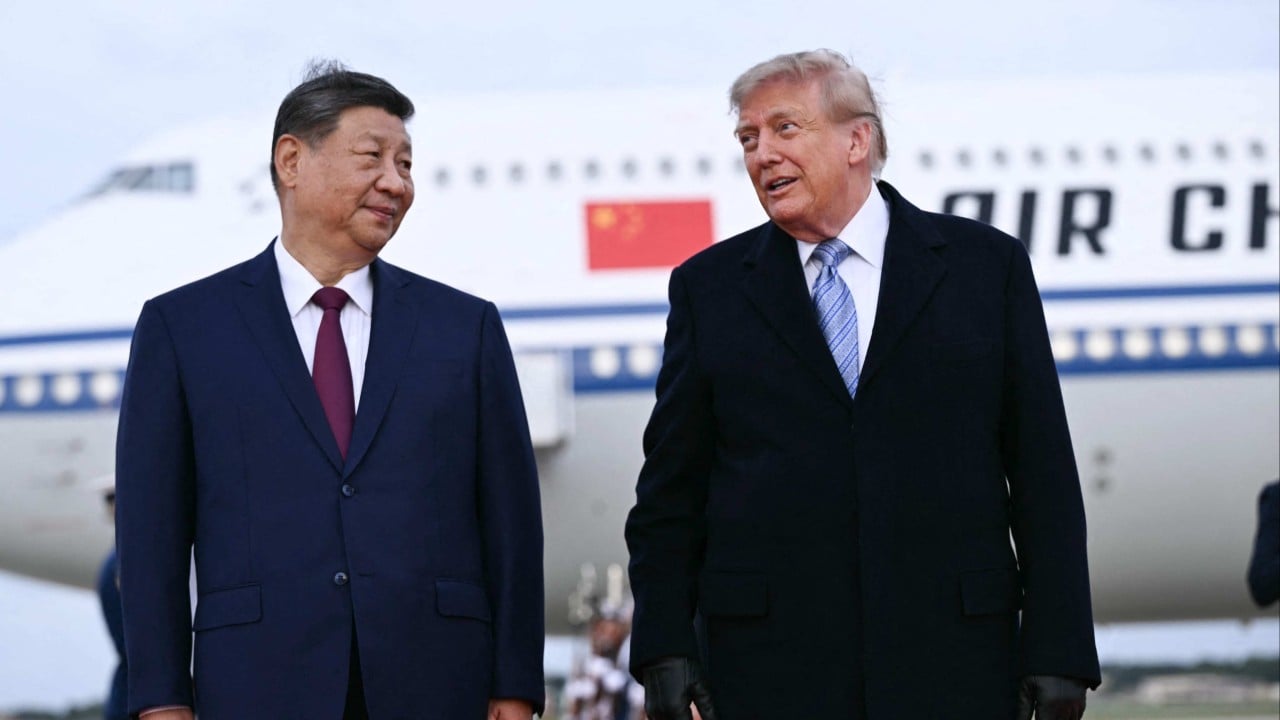
Donald Trump didn't just meet Xi Jinping at Joint Base Andrews; he rolled out a rare, high-stakes red carpet that broke decades of protocol. B-1 bombers roared overhead, artillery cannons echoed across Maryland, and a personal tarmac greeting signaled that high-level theater is back in full swing. Behind the military pomp lies an immediate economic reality. US Treasury Secretary Scott Bessent announced a crucial two-month extension to the bilateral trade truce, pushing the expiration deadline to January 10.
If you're tracking global supply chains, tech stocks, or manufacturing costs, this isn't just diplomatic noise. It's a temporary shield against a full-scale tariff collision between the world's two largest economies.
What the Two-Month Extension Actually Means
Markets hate uncertainty, but they tolerate a ticking clock if the stakes are clear. The original Busan agreement—struck in late 2025 to freeze escalating tariffs and ease rare-earth restrictions—was staring down a November expiration.
Instead of a comprehensive economic pact, Washington and Beijing settled for a shorter, two-month runway. Why? Because the underlying friction points haven't vanished. US officials remain frustrated over lagging Chinese shipments of critical rare-earth magnets, while Beijing continues to eye American tech curbs and export controls with deep suspicion.
A shorter extension tells you something raw and honest about these negotiations: neither side trusts the other enough yet to lock in a multi-year treaty. Instead, they're buying breathing room. This short timeline covers upcoming leader summits in Shenzhen and Miami, keeping direct channels open while leaving hard bargaining for later.
The Optics of Personal Diplomacy
Trump loves personal relationships. He believes that superpower friction can be managed through direct deals between top leaders rather than slow-moving bureaucratic channels. Greeting Xi personally at the tarmac—a rare gesture not seen for a visiting leader of a rival nation in decades—was designed to set a cooperative tone before tough closed-door Oval Office meetings.
Xi arrived pushing a message of pragmatic stability. In a written statement released by the Chinese embassy, he noted that China and the United States should act as partners rather than rivals. Yet, the diplomatic smiles mask deep geopolitical fault lines.
Washington isn't backing down from its broader security concerns. Treasury and intelligence briefings heading into the summit highlighted ongoing tensions regarding regional security, advanced artificial intelligence oversight, and persistent questions surrounding foreign alliances.
What to Watch Next As Talks Continue
Don't expect an instant miracle cure for global trade headaches. The two-month extension acts as a floor for market expectations, not a ceiling for long-term growth.
Keep a close eye on raw material flows, particularly rare-earth minerals essential for tech hardware and defense manufacturing. If shipments normalize over the next sixty days, a larger trade framework might actually materialize by January. If bottlenecks persist, expect another round of volatility when the new deadline approaches.
The real test of this summit won't happen under the lights of the White House state dinner. It will happen quietly on shipping manifests and customs documents in the weeks ahead.