A US drone company just signed a major agreement with the Pakistan Army, and the political optics are generating plenty of noise. But if you look past the initial media frenzy surrounding the Trump family's business connections, you will find a much bigger story about shifting military supply chains, unmanned aerial technology, and evolving geopolitical realignments in South Asia.
Let us break down what actually happened, why the details matter, and what most commentators are getting wrong. Read more on a related subject: this related article.
Inside the Powerus and Pakistan Army Agreement
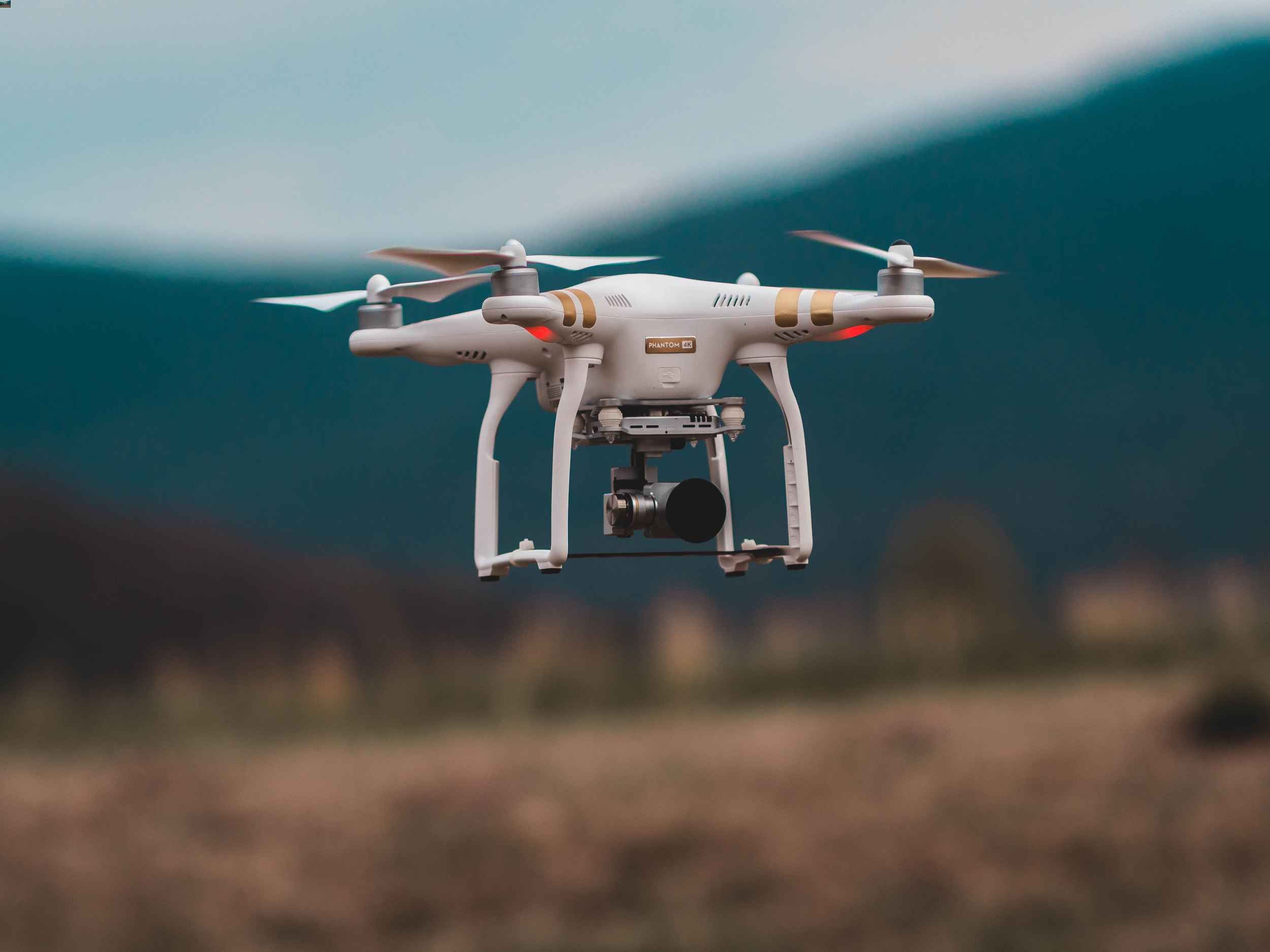
Powerus, an American defense technology and drone manufacturing firm, recently finalized a memorandum of understanding (MoU) with the Pakistan Army. This arrangement also includes an initial equipment order for unmanned aerial systems.
When Reuters first reported the deal, Powerus co-founder Brett Velicovich kept the specifics under wraps. Citing security classifications and proprietary confidentiality, the company declined to disclose the exact valuation of the contract or the specific platform models included. However, what we do know is that Powerus specializes in advanced maritime and heavy-lift aerial drones, including platforms capable of handling payloads exceeding 500 pounds through subsidiaries like Kaizen Aerospace and Tandem Defense. Additional journalism by BBC News delves into comparable views on this issue.
A delegation led by Velicovich met directly with Pakistan Army Chief Field Marshal Asim Munir to formalize these discussions. The dialogue centered heavily on defense procurement, localized manufacturing potential, and long-term capacity building. Powerus is not simply looking to drop off off-the-shelf hardware and walk away. They are actively exploring joint technology relationships, hoping to pair American engineering with local Pakistani defense production capabilities.
Cutting Through the Trump Family Connection
Naturally, the biggest talking point across international newsrooms is the corporate link connecting the drone maker to the family of US President Donald Trump.
Powerus is slated to merge with Aureus Greenway Holdings, a publicly traded firm backed by Donald Trump Jr. and Eric Trump through an investment fund named American Ventures. Regulatory filings indicate that this fund will hold approximately a 9.9 percent beneficial ownership stake in the newly combined enterprise once the transaction closes.
Critics and political opponents immediately pointed fingers, suggesting potential conflicts of interest or political favoritism. Yet leadership at Powerus has pushed back aggressively against these narratives. Chief Executive Andrew Fox maintained that all commercial contracts are won purely on merit. Representatives for Donald Trump Jr. also clarified that he acts strictly as a passive investor with zero operational involvement in daily management, no role in international procurement, and no prior knowledge of the Pakistan negotiation before it took place.
Strip away the political theater, and you are left with a straightforward corporate merger involving defense tech assets, which happens to intersect with a high-profile investment portfolio.
Why Islamabad is Modernizing Its Unmanned Fleet
To understand why the Pakistan military is pursuing this partnership, you have to look at modern combat doctrine. Unmanned aerial vehicles are no longer auxiliary tools for occasional surveillance. They dictate modern operational tempo, border security efficiency, and asymmetric deterrence.
Pakistan has spent years trying to diversify its military acquisitions, moving away from total reliance on traditional state suppliers while trying to integrate Western-grade capabilities where possible. By courting a US-based firm that specializes in modular, heavy-lift, and tactical unmanned systems, Islamabad wants to upgrade its domestic defense sector.
If Powerus succeeds in setting up joint manufacturing initiatives within the country, it gives Pakistan local access to advanced aerospace engineering that would otherwise take decades to develop independently.
The Broader Economic Pattern
This defense agreement is not an isolated incident. It mirrors a broader trend of financial intersections between Islamabad and entities close to the Trump administration. Earlier in the year, Pakistan signed an MoU with SC Financial Technologies, an entity tied to World Liberty Financial, to evaluate digital payment infrastructure.
When you combine financial technology initiatives with high-end defense manufacturing deals, a clear pattern emerges. Private American enterprises are aggressively pursuing emerging markets in South Asia, and Islamabad is more than willing to open the door.
What Happens Next
The merger between Powerus and Aureus Greenway Holdings is expected to close soon, meaning this partnership with the Pakistan military will move quickly from the planning stage to active execution.
Do not get bogged down by the political commentary shouting matches. The real story here is the industrial footprint. Watch how quickly joint manufacturing talks materialize on the ground, and pay attention to whether other US defense tech startups follow Powerus into the region. That will tell you everything you need to know about where the market is heading.
Trump Sons-Linked Drone Company Signs Pakistan Army Deal (Note: This video covers the breaking details regarding the Powerus agreement and its political background.)