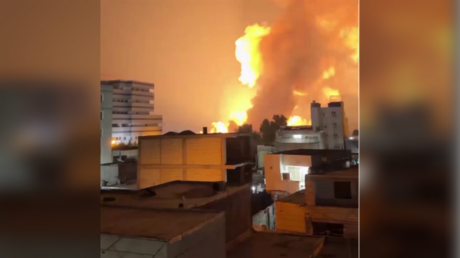
The fragile truce in West Asia just shattered. After three commercial vessels came under fire in the Strait of Hormuz, US Central Command launched a wave of targeted strikes against Iranian military positions in southern Iran.
Washington didn't stop at air strikes either. The US Treasury swiftly revoked a temporary license that allowed Tehran to export oil, closing off a vital financial lifeline. If you've been following energy markets or Middle East geopolitics, you know this escalates an already volatile conflict. Here is what actually happened on the ground, why the maritime dispute exploded so quickly, and what it means for energy prices worldwide.
What Triggered the Latest Wave of US Air Strikes
The immediate catalyst came on Tuesday, July 7, 2026, when three commercial tankers faced hostile action while navigating near Oman in the Strait of Hormuz. One hit included a Qatari liquefied natural gas vessel. Maritime authorities immediately raised threat levels for transit through the Gulf channel from substantial to severe.
US Central Command made its stance clear via social media, stating that forces initiated powerful retaliatory strikes to enforce direct costs for targeting merchant shipping. American officials confirmed hitting targets in southern coastal zones like Sirik and Bandar Abbas, with local Iranian media reporting multiple heavy explosions.
The military action marks a sudden end to weeks of delicate diplomatic negotiations following a month-old ceasefire agreement. Washington claimed Iran's attacks violated the memorandum of understanding signed between both nations. Tehran pushed back, arguing that Washington breached terms by attempting to establish new shipping corridors through Omani waters to bypass Iranian oversight.
The Battle Over Strait of Hormuz Tolls and Shipping Routes
Money and strategic control sit right at the heart of this flare-up. The Strait of Hormuz remains the single most critical transit point for global petroleum, handling about twenty percent of world oil consumption.
Tehran wants to solidify control over who passes through and how. Iranian officials recently asserted a right to charge transit fees on all commercial traffic through the waterway, aiming to build a permanent revenue collection system.
When Oman proposed an alternative shipping lane closer to its own coastline to avoid Iranian interference, Tehran strongly objected. Iranian naval forces began enforcing warnings against ships using the unapproved Omani route. That friction boiled over when the three tankers were struck within hours of each other.
US officials viewed the move as an attempt to blackmail international trade. Beyond sending jets, Washington hit Tehran where it hurts most by revoking a temporary sanctions waiver that permitted Iranian crude sales through late August. Without that waiver, legal exports drop back to zero, dealing a direct blow to Iran's economy.
Impact on Global Energy Markets and What Comes Next
Traders reacted immediately to news of the strikes and the revoked oil waiver. Brent crude jumped over six percent in evening trading to hit a two-week high above $76 a barrel, while West Texas Intermediate surged toward $72.
The timing couldn't be more delicate. Funeral processions for former Supreme Leader Ayatollah Ali Khamenei have drawn massive crowds across Qom and Najaf, heightening domestic political pressure inside Iran. Meanwhile, US leadership addressed the crisis during NATO summit discussions in Turkey.
If you are tracking economic trends or managing exposure to energy volatility, watch these key indicators over the next few days.
- Track regional maritime advisories: Watch updates from the International Maritime Organization regarding security corridors in the Gulf of Oman.
- Monitor crude futures: Energy volatility will remain high as long as military exchanges continue along major shipping lanes.
- Watch Iranian political developments: Leadership transitions in Tehran could dictate whether regional commanders pursue further escalation or return to diplomatic talks.
The conflict in the Gulf isn't just a military headline—it's a direct threat to global supply chains and energy security.