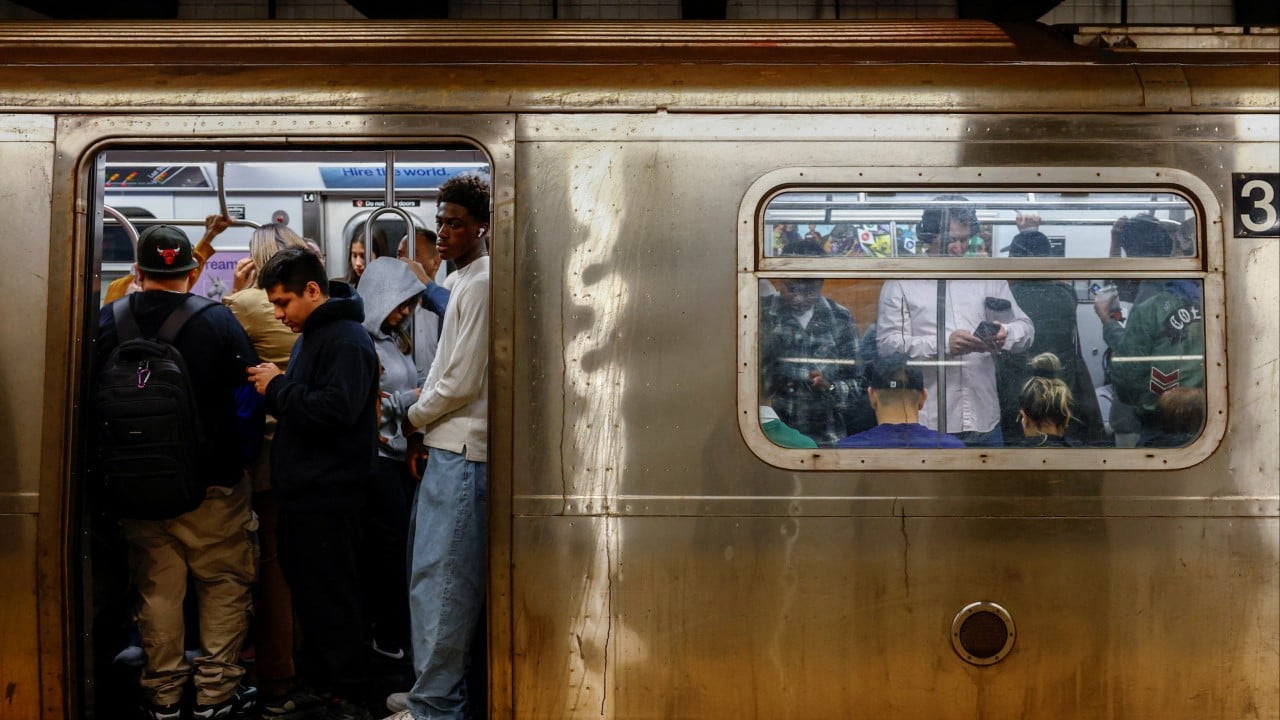
A routine Monday evening rush hour commute in Brooklyn turned into a horrific nightmare when 57-year-old Yaw Boahene lost his life at the Utica Avenue station. He wasn't shot, and he wasn't pushed. Instead, a simple shopping bag he was carrying got snagged in the closing doors of a southbound A train as he tried to exit.
When the train pulled away, Boahene was dragged along the platform and onto the tracks, where the train ran over him. First responders found him unconscious and unresponsive on the roadbed, and he was pronounced dead at the scene. It's a terrifying scenario that strikes at the core of what every daily commuter fears: a split-second mechanical or human error turning an ordinary ride into a fatal trap.
The Anatomy of a Subway Door Tragedy
How does a person get caught in a train door and dragged to their death in one of the busiest transit systems on earth? The mechanics are deceptively simple and brutally unforgiving.
Modern transit systems rely heavily on door sensors designed to detect obstructions and prevent trains from moving if something is wedged between the panels. But thin items—like shopping bags, backpack straps, or coat fabric—can slip through the detection thresholds. If the sensor fails to register the obstruction, or if the train operator and conductor miss the hazard before clearing the platform, the train moves.
Once the train starts rolling, physics takes over. Boahene was pulled backward, trapped between cars or dragged along the platform, before falling onto the tracks. The Metropolitan Transportation Authority (MTA) quickly removed both the train operator and conductor from service, a standard routine while investigations unfold. But removing crew members doesn't bring a man back, nor does it fix an underlying safety vulnerability that keeps repeating.
A Grim History That Keeps Repeating
This isn't an isolated freak accident. If you've lived in New York long enough, you know that door-dragging incidents haunt the transit network periodically.
In 2022, a 20-year-old commuter named Marcus Bryant met a similar fate at the Columbus Circle station in Manhattan. His backpack or clothing caught in the door of a 1 train while he was trying to board, resulting in a fatal drag. Back in 2016, a Chelsea bartender suffered the exact same tragedy.
Statistically, the MTA reports that customer accidents increased slightly by 2 percent in recent years, though officials frequently point out that overall ridership growth means the per-capita rate has decreased. Still, statistics offer zero comfort to a family grieving a loved one lost over a trapped shopping bag. When you're dealing with millions of daily riders rushing through crowded platforms, the margin for error is razor-thin.
What the System Fails to Address
Commuters are constantly told to watch the closing doors, stand clear, and never force their way onto a train. But what happens when you are already exiting, or when a bag brushes against a door that shuts faster than expected?
The burden of safety shouldn't fall entirely on exhausted riders navigating a high-pressure rush hour. Experts and transit advocates have long argued for enhanced platform barrier doors, better mirror or camera setups for conductors, and more sensitive obstacle detection tech. While station retrofitting is expensive and logistically complex across a century-old underground labyrinth, incidents like the one at Utica Avenue prove that current safety nets are failing.
If you ride the subway every day, you have to protect yourself. Never rush the doors, keep straps and bags tightly secured to your body, and if something gets caught, let it go immediately rather than fighting to pull it free.
The investigation into Yaw Boahene's death is ongoing, and the NYPD has stated they don't suspect criminality. But as the transit system resets and trains keep running, the pressing question remains: how many more lives will be lost before door technology becomes truly foolproof?