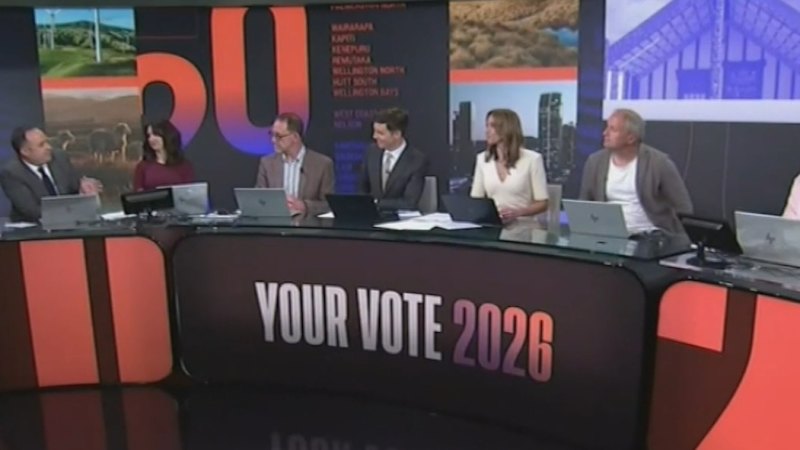
Polling places across New Zealand officially closed at 7:00 PM local time on Saturday, November 7, 2026, launching a tense vote-counting operation after weeks of intense campaigning across both islands.
If you're watching the initial numbers roll in and feeling confused by how two main parties can sit practically neck and neck while smaller factions celebrate, you're not alone. New Zealand doesn't use a simple winner-take-all setup. The country relies on Mixed Member Proportional (MMP) voting, which means counting party votes is just the opening act of a much longer political negotiation.
How the MMP Voting System Works on Election Night
To make sense of the incoming tallies, it helps to understand the two separate votes every voter casts when they step into the booth.
- Party Vote: This determines the overall proportion of seats each political party receives in Parliament. If a party gets 30% of the party vote nationwide, they are generally entitled to around 30% of the seats.
- Electorate Vote: This chooses the local Member of Parliament (MP) representing a specific geographic electorate or Māori electorate.
Under the Electoral Act 1993, polling stations open at 9:00 AM and close strictly at 7:00 PM on election day. Once the doors shut, election workers immediately begin unsealing boxes and counting paper ballots by hand at voting places nationwide.
Preliminary results start trickling in online shortly after 7:00 PM at electionresults.govt.nz. Historically, early preliminary counts reflect advance votes cast before election day, followed by regular election day ballots. However, the final official result—which includes special votes, overseas ballots, and strict verification—isn't officially declared by the Electoral Commission until weeks later (scheduled for November 27, 2026).
+-----------------------------------------------------------------------+
|                       HOW MMP SEATS ARE ALLOCATED                      |
+-----------------------------------------------------------------------+
|  Voters cast TWO votes on one paper ballot:                            |
|                                                                       |
|  [ Electorate Vote ]                  [ Party Vote ]                  |
|  Chooses local MP                     Determines party proportion     |
|  First-past-the-post in 72 seats      Allocates total seats out of    |
|  (General + Māori electorates)        standard 120-seat Parliament    |
|                                                                       |
|  1. Electorate winners get their seats first.                         |
|  2. Party list MPs fill remaining seats to match the Party Vote %.    |
|  3. Threshold rule: Must win 5% party vote OR 1 electorate seat.     |
+-----------------------------------------------------------------------+
What Happens When Neither Major Party Wins an Absolute Majority
In a standard 120-seat Parliament, a party needs 61 seats to govern alone. But ever since New Zealand adopted MMP in 1996, single-party majorities have been extremely rare.
When the two dominant political forces—the ruling center-right National Party and the center-left opposition Labour Party—finish close in party vote percentages, attention shifts immediately to coalition arithmetic.
Instead of looking solely at who finished first, political analysts track governing blocs:
- The Right-leaning Bloc: Typically led by National, aligning with market-oriented or nationalist partners like ACT New Zealand and New Zealand First.
- The Left-leaning Bloc: Led by Labour, naturally aligning with the Green Party and Te Pāti Māori.
- Cross-bench or Kingmaker Parties: Smaller parties or newcomers that cross the 5% party vote threshold (or win a local electorate seat) can end up holding the balance of power, choosing which major party to support in coalition talks.
Understanding the "Overhang" Seat Phenomenon
Sometimes election night numbers don't add up to a neat 120 seats. That happens because of a unique feature in New Zealand electoral law called an overhang.
An overhang occurs when a political party wins more local electorate seats than its total nationwide party vote percentage would entitle it to receive.
For instance, if a party's party vote share entitles them to 4 seats overall, but their popular local candidates manage to win 6 individual electorate seats, those candidates keep their seats. Parliament then temporarily expands beyond 120 seats (to 122 or 123 seats, for example) to accommodate the extra electorate winners. This slightly shifts the total seat target required to form a 61-seat or 62-seat governing majority.
Key Timeline Following Election Night
Election night yields preliminary results, but the legal timetable extends over several weeks before a government takes office:
- Election Day (Nov 7): Voting places close at 7:00 PM; preliminary counts begin immediately.
- Special & Overseas Vote Processing: Votes cast outside a voter's home electorate, late enrolments, and overseas ballots are validated and tallied over the following fortnight.
- Official Result Declaration (Nov 27): The Electoral Commission formally declares official results, including final list seat allocations.
- Return of the Writ (Dec 3): Official legal conclusion of the voting period, barring judicial recounts.
- Government Formation Talks: Party leaders negotiate formal coalition, confidence-and-supply, or support agreements behind closed doors to secure a parliamentary majority.
Practical Next Steps for Following the Count
If you're tracking the election outcomes in real time or checking official declarations, here's how to follow the process accurately:
- Monitor Official Releases: Track raw numbers directly through the Electoral Commission Portal rather than relying on early, unverified social media tallies.
- Watch the Electorates vs. List Ratios: Pay close attention to candidate race margins in close swing electorates, as local wins directly impact whether an overhang occurs.
- Wait for Special Votes: Remember that preliminary election night numbers often shift by 1 to 2 seats once tens of thousands of special and overseas ballots are fully processed for the final declaration.