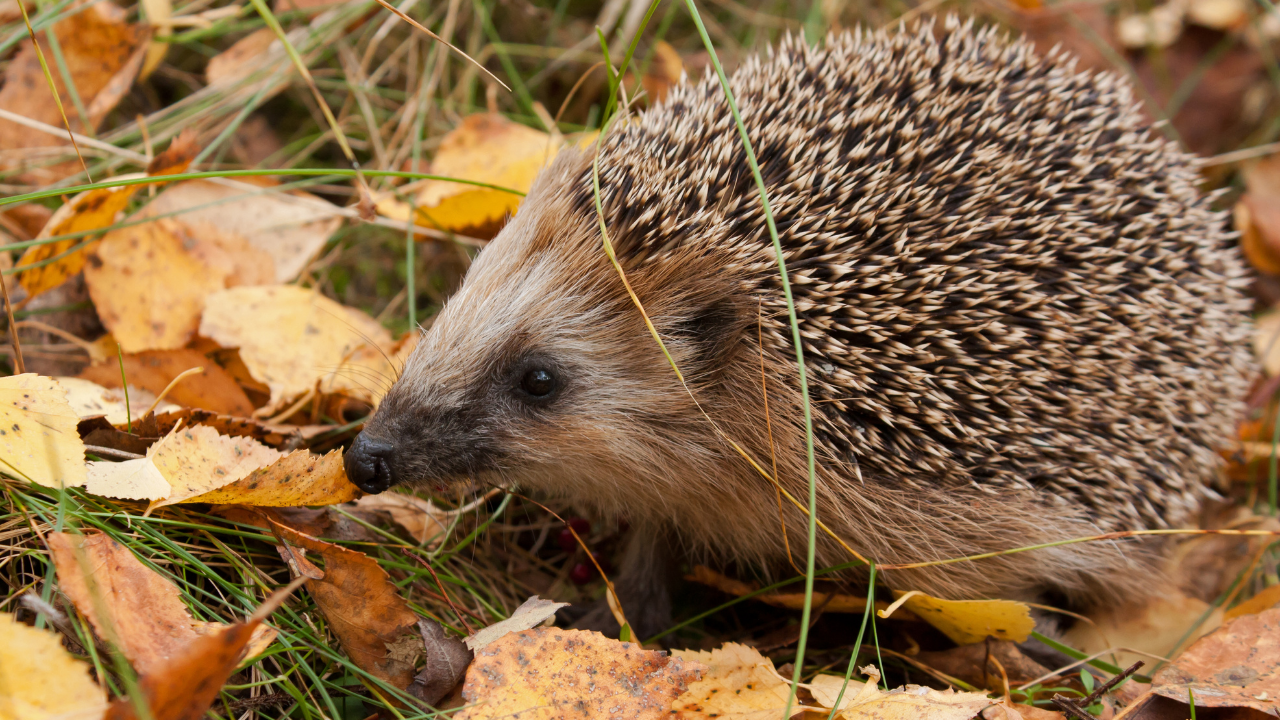
When Victorian settlers arrived in New Zealand, they brought a slice of home with them. They missed the familiar sights of the English countryside. They didn’t just bring furniture and clothes; they brought European hedgehogs. They thought these little critters would be the perfect solution to garden pests. They couldn't have been more wrong.
Fast forward 140 years, and that decision looks like an absolute disaster for native ecology. What started as an attempt to protect vegetables turned into a nightmare for some of the rarest species on the planet.
The Hedgehog Invasion and Why It Failed
It’s easy to judge the past, but you have to understand the mentality. In the late 19th century, acclimatisation societies were obsessed with "improving" the New Zealand environment to better match Britain. They released hedgehogs in cities like Dunedin and Christchurch around 1885.
They figured hedgehogs would stick to eating snails and slugs in backyard gardens. The reality? Hedgehogs are generalist predators. They don't care if you're a garden pest or a critically endangered lizard. They’re opportunistic, they’re fast, and they have no natural predators in New Zealand to keep their numbers in check.
Basically, we introduced a predator into a landscape that never evolved to deal with mammals. New Zealand’s native birds, like the ground-nesting black-fronted tern, spent millions of years evolving without needing to fear something sniffing out their eggs at night.
The Devastation in the Grasslands
You might think hedgehogs look cute, but that’s a dangerous bias. They are incredibly efficient killers. Their impact is most obvious in the country's braided riverbeds. These habitats are crucial for birds that build their nests right on the gravel, completely exposed to whatever wanderers come along.
A single hedgehog can effectively wipe out a colony. They don't always kill every bird individually, but they destroy the nests. Once a predator is detected, parent birds often abandon their eggs or chicks to protect themselves. You end up with a breeding season that produces zero offspring.
Data from the Department of Conservation (DOC) shows just how bad this gets. In the Mackenzie Basin, studies looking at over 170 nests found that hedgehogs were responsible for a huge portion of the failures. Some years saw the pressure from these animals skyrocket, making it nearly impossible for birds like the banded dotterel or the iconic black stilt to recover.
Beyond the Birds
Hedgehogs aren't just bird killers. They are a massive problem for New Zealand's unique invertebrate and reptile life. They have a massive appetite for native wētā—those oversized, prehistoric-looking insects—as well as beetles, centipedes, and various lizard species.
If you talk to conservationists on the ground, they’ll tell you that you can't just save one species. You have to remove the pressure from the entire habitat. It’s why current conservation strategies in New Zealand focus on large-scale predator control. They are trying to treat the environment like an island sanctuary, removing hedgehogs alongside rats, stoats, and possums.
The Reality of Predator Control
If you want to understand how we fix this, you have to look at the sheer scale of the challenge. This isn't about trapping a few hedgehogs in your backyard. It's about ecosystem-wide management.
- Trapping Networks: Conservation groups maintain thousands of kilometers of trap lines. It’s manual, gritty, and slow work.
- Monitoring: Before you can control a population, you need to know where they are. Motion-sensor cameras and tracking tunnels help rangers target the hotspots.
- Barrier Fencing: In some crucial sanctuaries, they use physical barriers to keep predators out entirely.
Honestly, it’s a constant battle. Hedgehogs breed fast, and they adapt well to human-modified landscapes. Every time you think you’ve got a handle on the numbers in a specific region, they seem to bounce back.
What You Can Do
If you live in New Zealand, you’re on the front line of this issue. Don't underestimate the role individual properties play. If you have a garden, you’re already part of the habitat that supports these animals.
- Secure your waste: Don’t leave food scraps out. It attracts the insects and slugs that hedgehogs love, which in turn keeps them hanging around your property.
- Support local groups: Find your local environmental trust or conservation group. They are usually the ones checking traps on weekends. They always need volunteers or donations for more hardware.
- Keep your pets in check: While cats and dogs are different problems, keeping them contained at night helps reduce the overall disturbance in your local ecosystem, allowing native wildlife a better chance to survive.
We made a massive mistake in 1885. We can't rewind the clock, but we can stop pretending these animals belong here. It’s going to take a long time to fix, but protecting what’s left of New Zealand’s native wildlife is worth the effort.