For twenty-five years, thousands of Lower Manhattan residents, office workers, and first responders were told the air was safe to breathe. They were told to open their windows, sweep up the dust with wet mops, and get back to work. Now, newly unsealed municipal records show that city leaders knew the exact opposite was true.
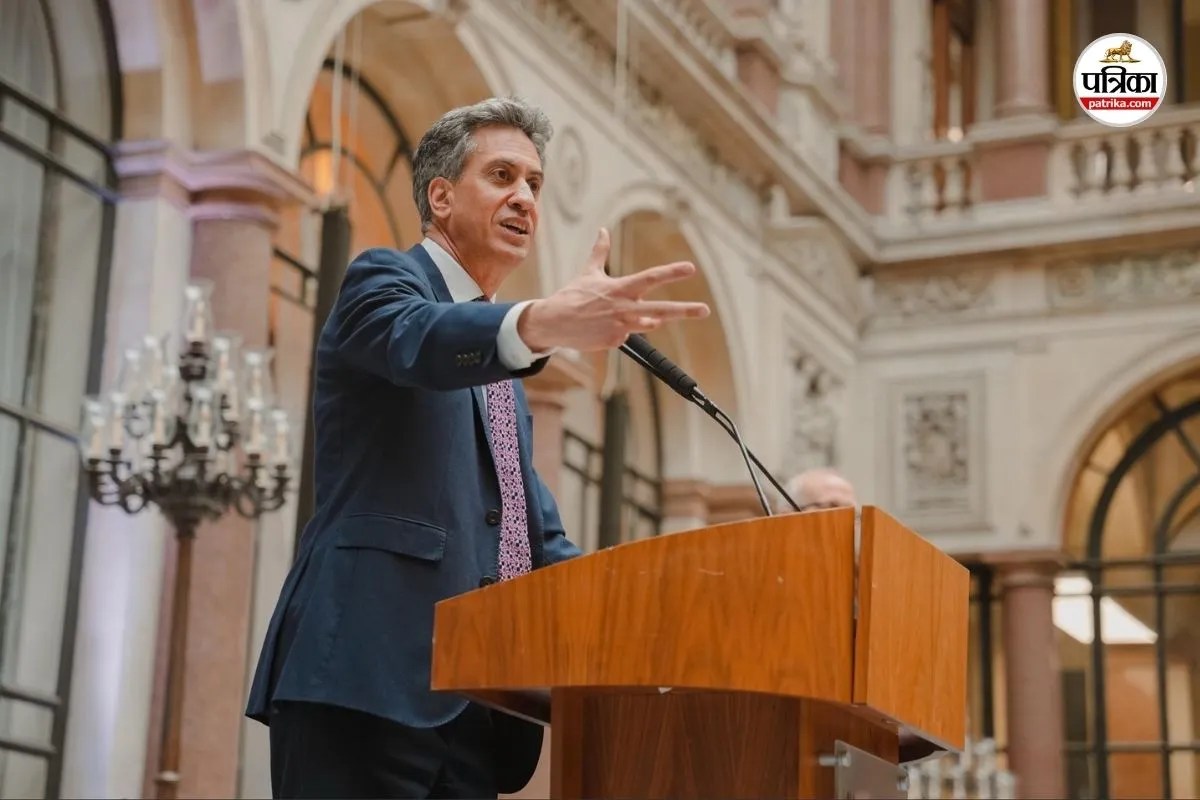
New York City Mayor Zohran Mamdani announced the release of more than 170,000 pages of long-withheld municipal documents at City Hall. Standing alongside 9/11 family members, health advocates, and comedian-turned-advocate Jon Stewart, Mamdani didn't mince words. He stated plainly that people got sick because past officials lied and assured them they were safe in a toxic cloud of asbestos, benzene, and dioxins.
The documents, stored away for years in boxes across municipal offices, expose a calculated effort to downplay environmental hazards while anticipating tens of thousands of legal liabilities.
Inside the Long-Withheld Post 9/11 Records
What's actually inside these 170,000 pages? The tranche includes internal emails, lab results, air-quality reports, and memos that lay bare the internal panic of city administration officials.
Back in October 2001, a communication known as the Harding Memo was sent to then-deputy mayor Robert Harding. The memo projected that the city could face as many as 35,000 lawsuits over toxic exposure. It detailed concerns that health warnings might prompt people to return too late, causing economic harm, or too soon, risking toxic exposure and severe health consequences. Rather than sounding the alarm for public safety, officials spent considerable energy weighing how to limit municipal liability.
Other documents show city health officials consciously omitting certain dangerous substances from active testing plans. For example, records reveal discussions to drop magnesium from revised testing sheets, even though federal health agencies recognized it as a major component making the World Trade Center dust hazardous to inhale.
Lower Manhattan residents and workers were told to clean up debris using basic household methods. Meanwhile, internal files proved that officials were well aware of elevated carcinogens, asbestos, and mercury levels lingering in filing cabinets and indoor spaces around Ground Zero.
Why the Cover-Up Still Matters Today
Close to a quarter of a century after the attacks, the human cost has surpassed the tragic toll of September 11 itself. More people have now died from 9/11-related illnesses than the nearly 3,000 victims who lost their lives on the day of the attacks.
For four previous mayoral administrations, these records remained locked away while survivors fought through chronic respiratory diseases, cancers, and early deaths. Advocacy groups like 9/11 Health Watch fought endless legal battles to force the city to open its filing cabinets. The release of these files finally settles lawsuits demanding transparency, but it also brings a painful reckoning for a city that traded public health for institutional defense.
Jon Stewart put it bluntly during the press announcement: poison was in the air, the city knew about it, and officials chose a cover-up over safety three weeks after the tragedy. Congressman Jerry Nadler, who represented the affected communities at the time, pointed out that federal and local warnings were ignored while city hall pushed people back into an active disaster zone without adequate protection.
You can't undo decades of lost lives and preventable illnesses with a digital document portal. But opening these archives gives victims and their families the honest accounting they were denied for a generation.
Access the newly public records directly through the official New York City municipal archives portal to review the unsealed memos and environmental reports yourself.
New York City Mayor Mamdani Releases Records on Toxic Air After 9/11
This video provides a direct look at Mayor Zohran Mamdani's press conference releasing the extensive archives concerning post-9/11 air quality.