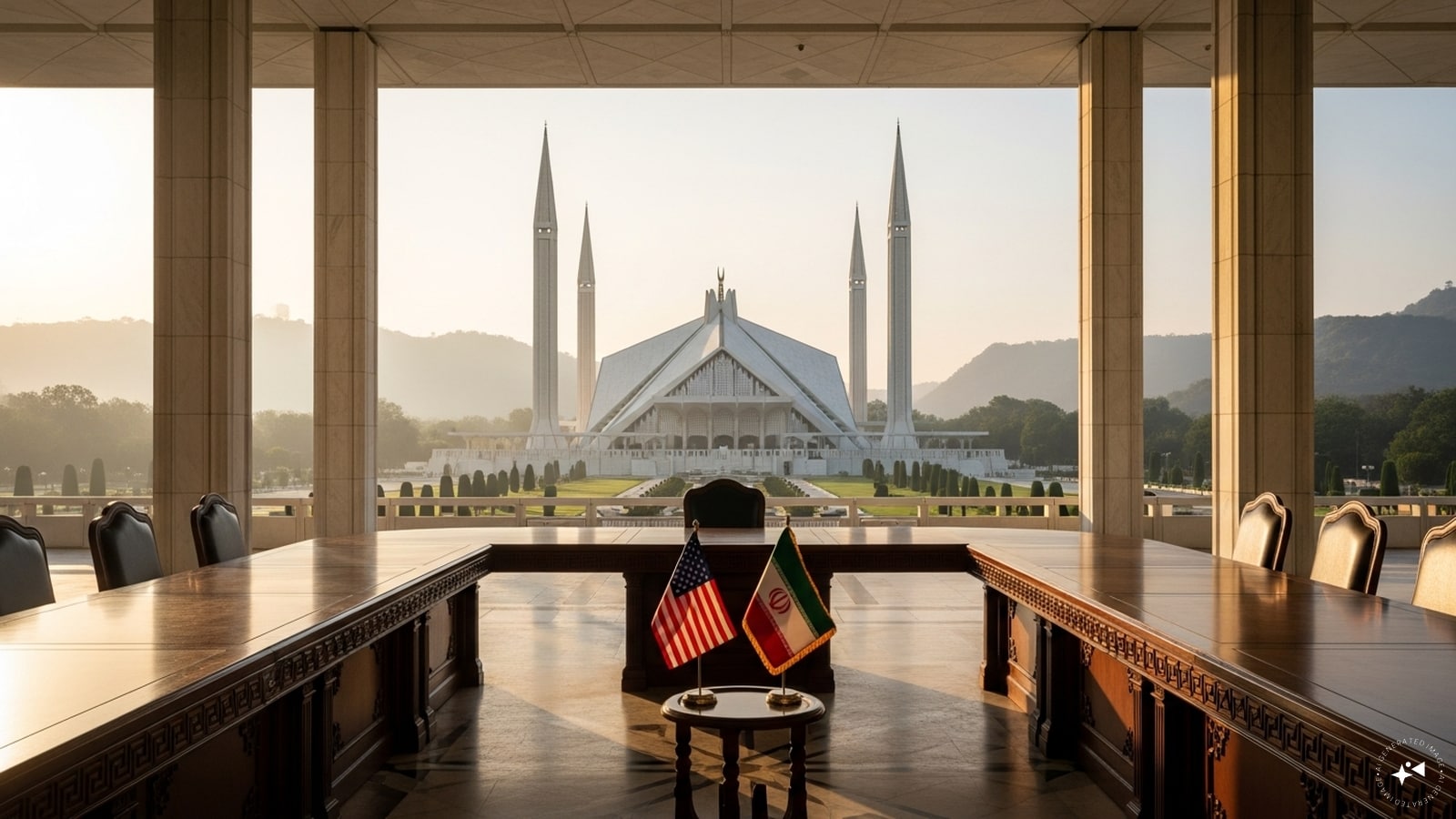
The diplomatic rumor mill is spinning fast, and all signs point to Pakistan.
Diplomatic sources indicate that Islamabad is now the frontrunner to host the critical July 11 technical negotiations between the United States and Iran. While Switzerland’s Bürgenstock resort remains a backup option, the Pakistani capital is heavily favored to anchor this next step.
This isn't just about changing the scenery. The upcoming session directly serves to advance the framework of the Islamabad Memorandum of Understanding signed last month. That deal triggered a strict 60-day countdown to build a comprehensive peace treaty following the brutal outbreak of the 2026 Iran war.
If you're wondering why the sudden shift to Pakistan instead of traditional European neutral grounds, the reality is simple. Pakistan and Qatar aren't just hosting; they are actively keeping a fragile peace from shattering.
The High Stakes of the July 11 Technical Rounds
Don't let the word "technical" fool you. These sessions are where the heavy lifting happens. Teams from Washington and Tehran are trying to hash out the mechanics of an incredibly complex puzzle.
- The Nuclear File: Complete dismantlement of Iran's enriched uranium stockpiles and infrastructure vs. Western verification.
- The Cash Flow: The release of billions in frozen Iranian assets abroad, including a disputed $6 billion food-security fund in Qatar.
- The Shipping Lanes: Guaranteeing unhindered, fee-free commercial transit through the Strait of Hormuz.
- Regional Triggers: Securing and maintaining the shaky ceasefire in Lebanon.
The timeline took a brief breather due to the state funeral processions for Iran’s late Supreme Leader Ayatollah Ali Khamenei. Iranian officials plan to announce the precise composition of their technical team now that the multi-day mourning ceremonies are concluding. Once those final rituals in Mashhad wind down, the focus pivots entirely back to the negotiating table.
Why Switzerland Is Losing Ground to Pakistan
Western Europe usually owns the monopoly on high-stakes diplomacy. Geneva and Bürgenstock already saw early rounds of these indirect talks. Yet, Islamabad holds an edge right now for a very practical reason.
Pakistan has unique leverage. Prime Minister Shehbaz Sharif and Field Marshal Asim Munir have spent months actively keeping both sides talking, even when the US naval blockade of Iranian ports threatened to blow up the entire process. They helped broker the initial April ceasefire.
When you're dealing with a deal as highly controversial as the Islamabad MoU, proximity and trust matter more than Swiss luxury. Hardliners back in Iran are already protesting the concessions made by parliament speaker Mohammad Bagher Ghalibaf and Foreign Minister Abbas Araghchi. They hate the idea of Western oversight near the Strait of Hormuz. Hosting the technical talks in Pakistan keeps the negotiations closer to home territory, making the optics slightly more palatable for a domestic audience in Tehran that feels deeply exposed.
What Happens Next
If the July 11 technical teams manage to iron out the fine print without the whole thing collapsing, the diplomatic circus moves again. Officials familiar with the strategy expect the next high-level direct political talks to convene in Doha during the third week of July.
If you want to track whether these talks are actually succeeding, ignore the official press releases. Watch the Strait of Hormuz instead. If commercial tankers continue to pass through without harassment or sudden "service fees," the framework is holding. If maritime friction spikes, the Islamabad talks are in trouble.
Keep an eye on the state media out of Tehran over the next 48 hours for the official delegation list. That will tell us exactly how much influence Iran's hardline faction retains over the incoming technical team.


