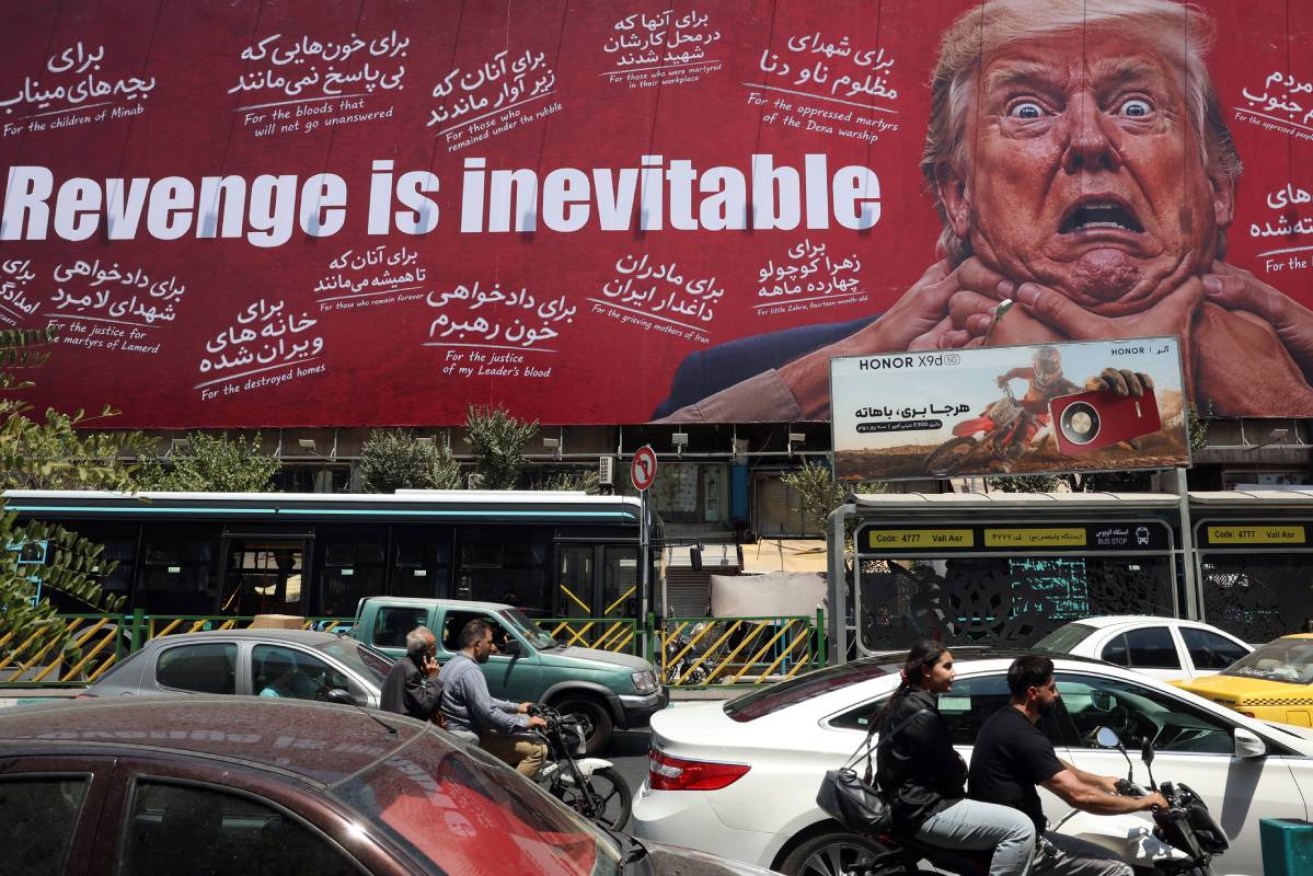
The caps lock button on the presidential feed gets smashed pretty often. You see the all-caps warnings about complete destruction, trade annihilations, and military strikes that sound like a movie trailer. A few years ago, the globe would freeze. Markets dipped. Diplomats scrambled for emergency flights. Today? Everyone just keeps eating lunch.
Washington insiders and international capitals have stopped flinching. The baseline of shock has worn completely thin. When a leader cries wolf on a weekly basis, the volume loses its punch. You are watching a real-time masterclass in audience fatigue. Let us look at why the international community decided to stop reacting and what that means for actual policy moving forward. Meanwhile, you can read related developments here: Why Vishwesh Negi Taking Charge In Tehran Changes India Iran Relations.
The Boy Who Cried Missile
The pattern is predictable. High-stakes rhetoric drops on social media. Analysts spend twelve hours dissecting every single word. Then, quiet sets in. Deals get modified, courts block executive actions, or Congress pushes back.
Take the recent standoffs regarding Middle Eastern oil routes and regional conflicts. The rhetoric scales up to historic proportions. Mention of military might not seen since past global conflicts gets thrown around casually. But foreign ministries have learned to look past the social media feeds and watch what diplomats do behind closed doors. They notice when the Pentagon doesn't actually move operational assets into strike positions. To understand the bigger picture, we recommend the recent article by TIME.
"When threats become background noise, actual deterrence takes a massive hit. Leaders stop believing the red lines exist."
This desensitization creates a dangerous guessing game. If a real crisis hits, foreign capitals might miscalculate. They might assume another dramatic bluff is underway when an actual escalation is happening.
How Capitals Learned to Ignore the Noise
Foreign governments built entire bureaucratic units just to filter out White House bluster. Instead of reacting to public blasts, embassies track quiet backchannel messages. They talk to pragmatic advisors, cabinet secretaries, and legislative leaders who operate away from the public eye.
- The Courts: Judicial blocks show foreign leaders that executive orders face heavy domestic hurdles.
- Legislative Pushback: Congress frequently clips wings before an aggressive policy takes physical shape.
- Economic Reality: Markets recover within hours because investors realize the financial bark is worse than the bite.
The Cost of Empty Ultimatums
When you rely on extreme leverage as your primary diplomatic tool, you burn through your options quickly. If your ultimate threat gets walked back or ignored, you have nowhere else to go.
Diplomacy requires credibility. If foreign adversaries figure out that your threats expire by Tuesday afternoon, they stop offering concessions. They simply wait you out. Tehran, Beijing, and European allies play the long game. They know domestic political cycles move fast, and they bet that internal pressures will force a retreat anyway.
Look at how recent trade ultimatums and security warnings resolved. Tariffs get delayed. Strikes get called off at the last second after phone calls with foreign leaders. The loop repeats endlessly.
Moving Past the Theater
You need to separate political theater from actual governance. Stop treating every aggressive statement as a declaration of war. Start watching legislative votes, judicial rulings, and supply chain adjustments instead.
If you want to understand where global power is actually heading, ignore the screens. Watch the money, watch the courts, and watch the quiet negotiations happening behind closed doors. That is where history gets made while everyone else is busy scrolling past the noise.