Pyongyang just lost its temper again. North Korea's foreign ministry issued a blistering warning, threatening an immediate and powerful retaliation against Washington's greenlight of a $125 million weapons package for South Korea.
If you think this is just standard diplomatic noise, look closer.
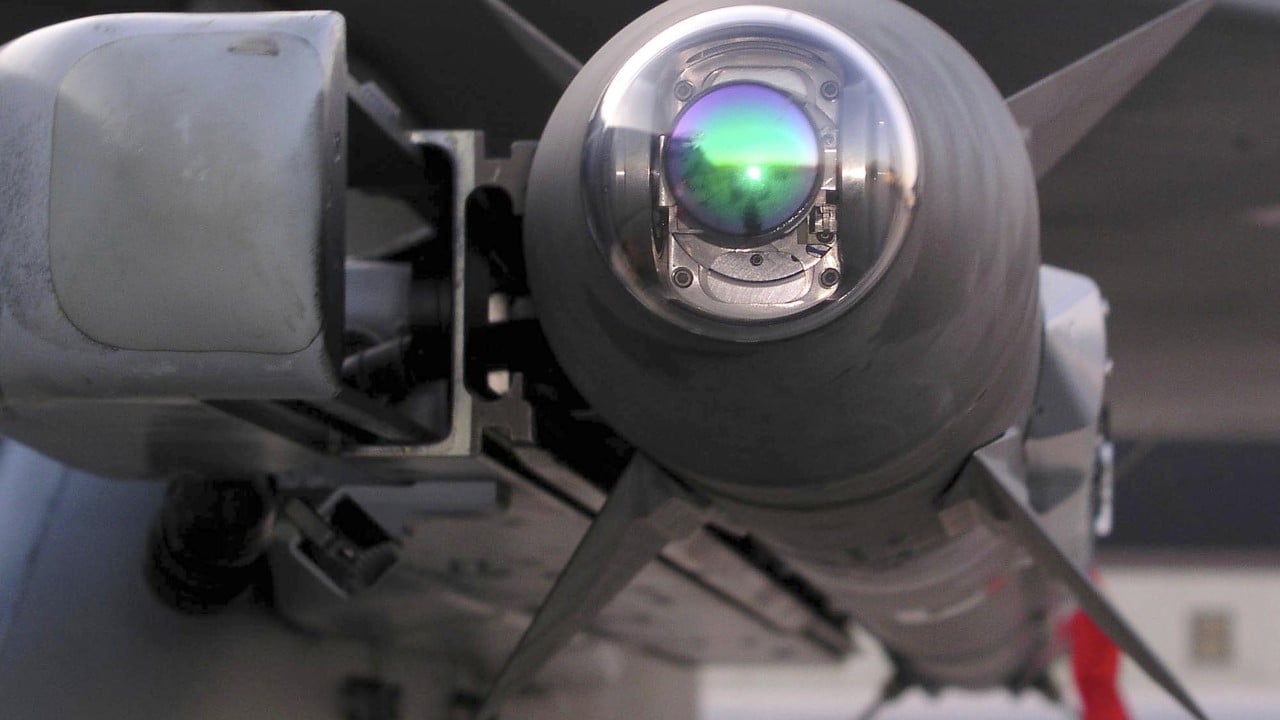
The deal itself centers on 103 AIM-9X Sidewinder Block II tactical missiles and related logistical gear, courtesy of the US State Department and defense contractor RTX Corporation. But the anger coming out of North Korea isn't just about missiles. It's about a broader geopolitical shift that Pyongyang can no longer ignore or spin away.
What the Headlines Miss About the Sidewinder Sale
Most mainstream reports treat this as a routine military transaction. It is not. The AIM-9X is a premier, highly agile heat-seeking missile used heavily for air defense and dogfighting. For South Korea, buying these tactical missiles tightens operational interoperability with American forces stationed in the region. For North Korea, it represents something much more dangerous: a tightening loop of regional integration that erodes the tactical advantage of their own aging air fleet.
North Korean state media didn't just target the hardware. They explicitly lashed out at American funding aimed at tracking human rights abuses and breaking Pyongyang's information monopoly.
Think about that combination. Washington is upgrading Seoul's air defense while simultaneously financing projects designed to expose internal conditions inside the North. That dual-track pressure hits Kim Jong-un's regime where it hurts most: external military containment combined with internal ideological vulnerability.
The Timing That Makes Everyone Nervous
This escalation arrives at a deeply strange diplomatic crossroads. US President Donald Trump has spent recent weeks signaling a desire to restart direct talks with Kim Jong-un, even claiming that Pyongyang showed positive signs of engagement.
North Korea's latest reaction pours freezing water on those overtures.
Pyongyang made it crystal clear via the Korean Central News Agency that they view any friendly words from Washington as a smoke screen. The foreign ministry stated bluntly that they recognize American diplomatic outreach as inherently hostile. You cannot offer an olive branch with one hand while supplying precision-guided munitions and tactical missiles with the other—at least, not without expecting a sharp rebuke.
The North Korean regime sees a systematic pattern. Earlier this year, Washington approved sales involving naval helicopters, attack choppers, and advanced precision-guided bombs for Seoul.
Why Regional Security Is Tilting Fast
The Asia-Pacific balance of power is shifting toward permanent multilateral alignment. The US, South Korea, and Japan are closing ranks through shared intelligence and joint defense drills. North Korea realizes it is getting out-resourced in a conventional arms race it cannot afford to lose, but struggles to finance.
When a state like North Korea feels cornered economically and technologically, its playbook relies heavily on asymmetrical displays of anger. Expect upcoming missile tests or provocative coastal artillery drills. They have to show domestic hardliners and foreign adversaries that threats won't go unanswered.
Watch how Seoul responds to the rhetoric. South Korea isn't backing down from its alliance commitments, and Washington views these arms sales as essential to deterring regional aggression.
Keep your eyes on the border. The diplomatic window is slamming shut.