International sanctions were supposed to choke off Moscow and Pyongyang. Instead, an illicit workforce is quietly assembling weapons inside Russian borders.
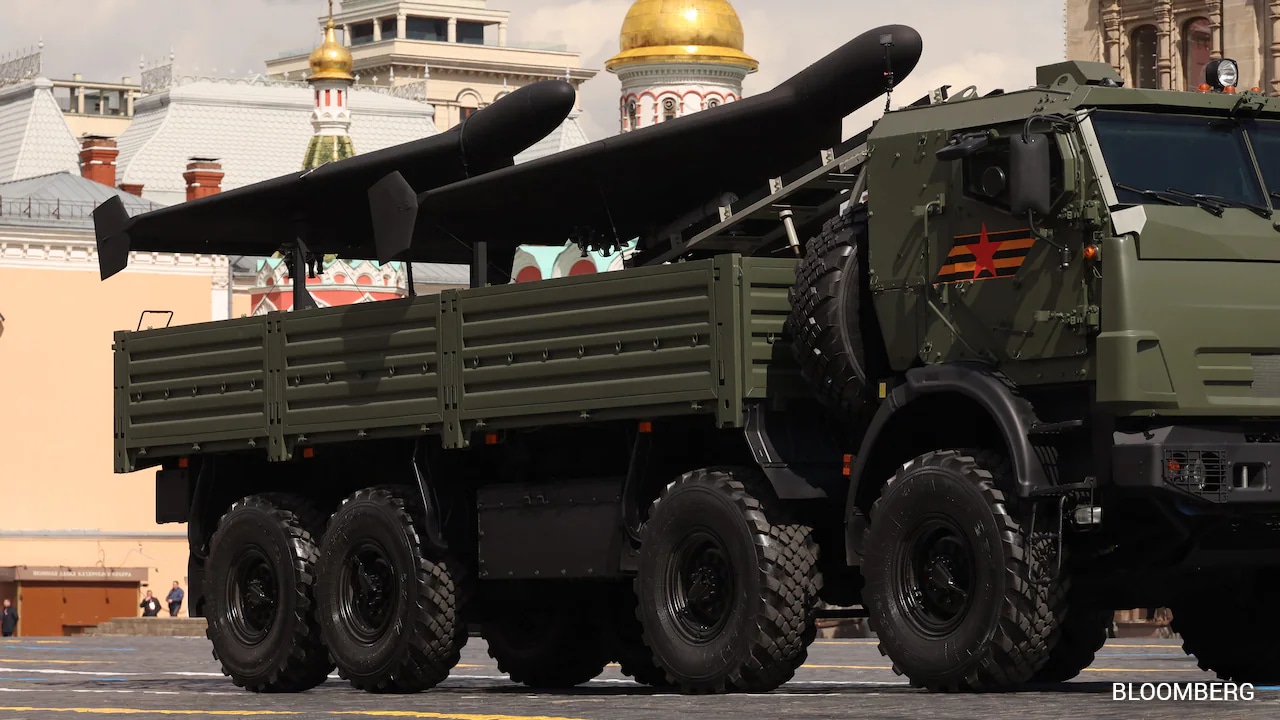
Up to 25,000 North Korean laborers are now embedded in Russia's military supply chain, stitching together unmanned aerial vehicles meant for the front lines in Ukraine. They aren't arriving on official employment rosters. They are slipping through bureaucratic cracks disguised as foreign exchange students. For a more detailed analysis into this area, we suggest: this related article.
The strategy highlights a broader shift in geopolitical alliances. Moscow and Pyongyang are no longer just trading artillery shells or deploying infantry units. They are building integrated industrial pipelines designed to bypass global financial oversight entirely.
The Student Visa Loophole
How do you move thousands of citizens from a heavily sanctioned, isolated hermit kingdom straight into Russian manufacturing plants without raising alarms? You change their paperwork. For further background on this issue, comprehensive analysis can also be found at Al Jazeera.
According to findings released by the Multilateral Sanctions Monitoring Team—an 11-nation coalition tracking Pyongyang's violations—North Korean workers enter Russia under student visa schemes. Once inside, they report straight to industrial zones like Alabuga in Tatarstan.
Alabuga has transformed into a massive drone production hub. It is where Iranian-designed systems and domestic modifications are scaled up for mass deployment.
The setup keeps the workforce invisible to traditional labor watchdogs. To any casual observer, they look like university youths pursuing higher education. In reality, they are operating machinery, assembling carbon-fiber airframes, and packing electronics for military use.
Funding the Kim Regime's Arsenal
Money sits at the core of this arrangement, and almost none of it stays with the workers.
North Korean laborers abroad pull in an estimated average of $7,500 annually. That might sound modest, but it represents a goldmine compared to domestic wages. In fact, these foreign earnings can run up to five times higher than what workers might make across the border in China.
Yet, the workers see very little of that cash.
The regime in Pyongyang confiscates the vast majority of these wages. In many cases, official deductions and fees outpace what the laborers actually take home. Last year alone, foreign labor schemes funneled up to $800 million back to the Kim Jong Un government.
That capital goes straight into financing unlawful nuclear weapons and ballistic missile programs. Every drone built in Tatarstan directly subsidizes strategic long-term threats.
Total Control and Strict Surveillance
Keeping thousands of workers compliant in a foreign country requires heavy security. Pyongyang leaves nothing to chance.
Handlers closely monitor every movement, conversation, and interaction these laborers have with outsiders. Defection attempts mean immediate, severe reprisals against family members left behind in North Korea. Isolation is total.
The multilateral team points out that this hyper-controlled environment makes monitoring human rights abuses nearly impossible. Workers face grueling conditions, long hours, and zero personal autonomy. They are trapped inside a tightly guarded economic machine.
The Collapse of UN Oversight
This labor pipeline exposes the decay of international enforcement.
For 15 years, a United Nations panel kept tabs on North Korean sanctions evasion. That mechanism collapsed in 2024 after a Russian veto dissolved its mandate.
That vacuum birthed the current 11-nation monitoring team, which includes the US, South Korea, and Japan. But without official UN backing, enforcement relies on diplomatic pressure and piecemeal financial blocks rather than unified global mandates.
Russia gets a steady stream of cheap, compliant labor to fuel its wartime economy. Pyongyang gets foreign currency to fund its military ambitions.
Check your trade tracking policies and supply chain audits if you manage international compliance. The lines between civilian education visas and military production are blurring faster than global regulators can rewrite the rules.