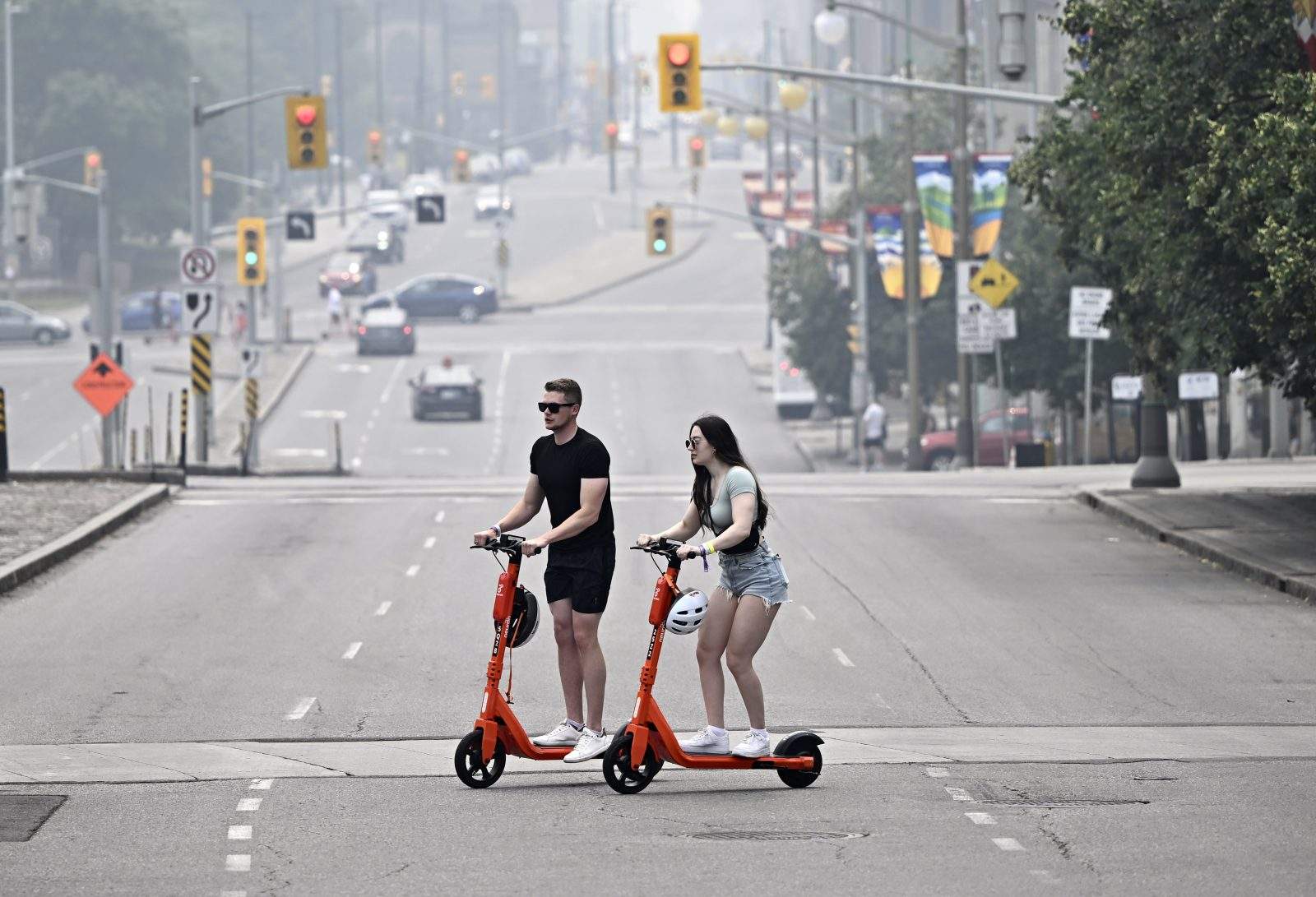
Electric scooters and bikes aren't harmless neighborhood toys anymore. They are motorized machines capable of high speeds, and Nova Scotia is finally drawing a hard line.
Public Works Minister Fred Tilley announced that the province plans to ban children under 14 from riding e-bikes and e-scooters. This restriction is coming this fall as part of a sweeping update to the province's Traffic Safety Act. If you have a pre-teen zooming around on a motorized two-wheeler, your routine is about to change.
The policy shift is long overdue. Governments are waking up to a reality that emergency room doctors have tracked for years. Technology moves fast, and policy usually lags behind. Nova Scotia wants to catch up before more kids end up in trauma units.
Why the Age Limit Matters Right Now
You can buy an e-scooter or an e-bike online with a click, but operating one safely requires judgment and physical coordination that young kids simply don't have yet. Modern electric rides are not traditional bicycles powered by tired legs and afternoon snacks. They pack electric motors that accelerate instantly.
According to data from the Canadian Institute for Health Information, e-scooter hospitalizations across the country hit 498 cases during the 2023-2024 period. That marks a staggering 32 percent spike from the previous year. Experts from safety organizations like Parachute Canada point out that kids between five and 17 account for a massive share of this injury increase.
Traditional pedal bikes usually top out around 15 to 20 kilometers per hour under human power. By contrast, many electric micro-mobility devices easily cruise at 30 kilometers per hour, and some modified models can push past that limit. When a child hits a pothole or loses control at those speeds, the physics are unforgiving.
The Regulatory Patchwork Across Canada
Nova Scotia isn't operating in a vacuum. Other provinces have grappled with this issue for years, resulting in a confusing patchwork of laws. Places like Quebec and Ontario already enforce specific age floors and helmet mandates. Meanwhile, provinces like Alberta and Manitoba have historically left gaps in their regulations.
This inconsistency creates headaches for families who travel or buy these gadgets as gifts without realizing the legal boundaries. By setting a definitive 14-year-old threshold under the Traffic Safety Act, Nova Scotia is bringing clarity to sidewalks and streets.
Opposition politicians in the province have signaled broad support for the move, acknowledging that public safety must adapt to disruptive transportation tech. Even so, critics point out that enforcement remains the true hurdle. Passing a law on paper is easy. Monitoring neighborhood side streets and boardwalks where kids frequently ride is an entirely different challenge.
What Parents and Riders Need to Do Next
If you own an e-bike or e-scooter in Nova Scotia, you need to audit how your household uses these vehicles before the fall legislation takes effect.
- Check the rider's age: If anyone in your home is under 14, they'll need to transition back to standard push bikes or non-motorized scooters.
- Inspect safety gear: Make sure older teenagers and adults are strictly wearing certified helmets, as enforcement on protective gear is tightening alongside age rules.
- Watch the speed modifications: Many devices come with software speed limiters that tech-savvy kids know how to bypass. Keep firmware locked and check your equipment regularly.
The era of treating electric micro-mobility like harmless plastic toys is over. Nova Scotia's upcoming ban acknowledges a dangerous physical reality on our streets, and other jurisdictions would be wise to pay attention.