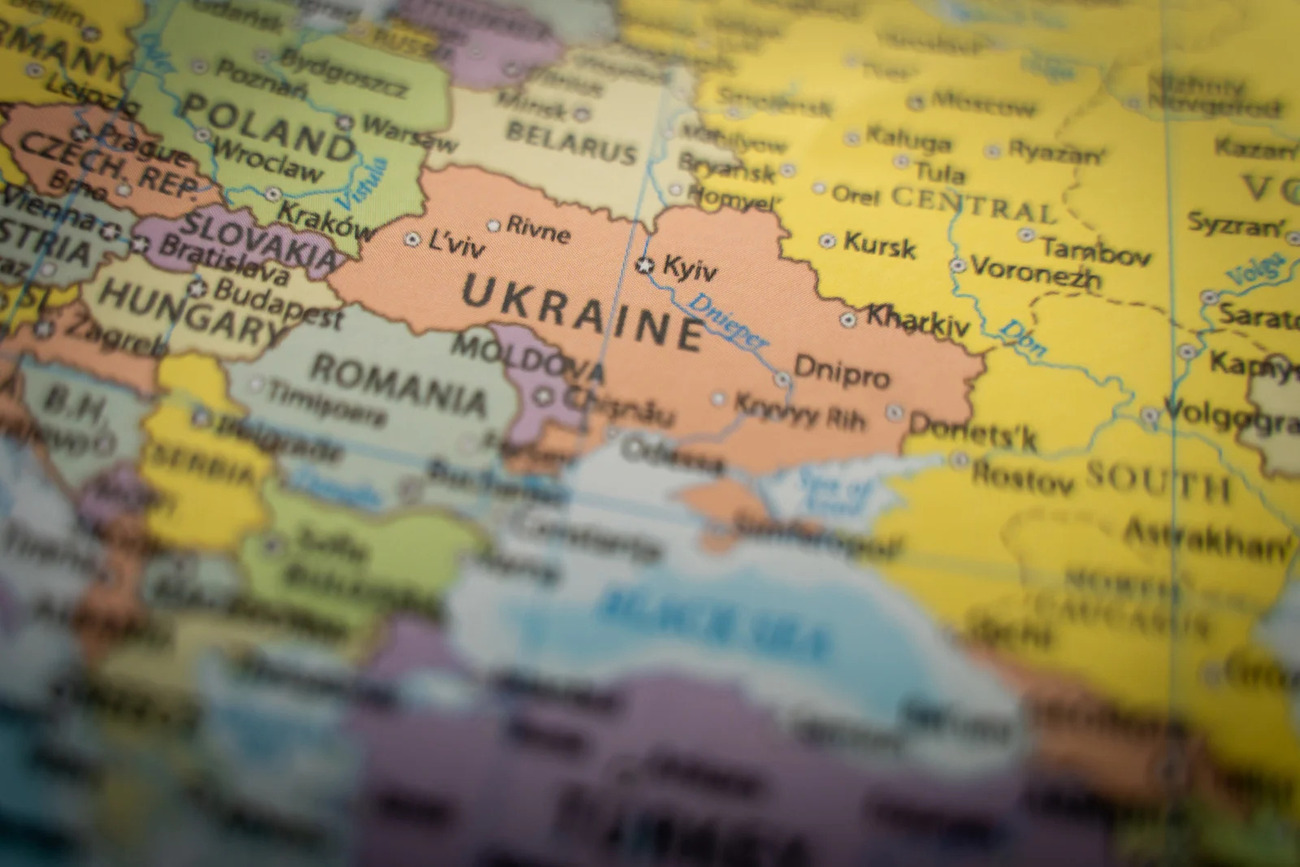
When a long-range drone strikes a major fuel processing facility hundreds of miles behind the front lines, the shockwaves hit global energy desks instantly. That is precisely what happened when Ukraine targeted the Novoshakhtinsk refinery in Russia's Rostov region. Crude oil prices didn't just react to the headlines—they adjusted to a grim new operational reality. Long gone are the days when energy infrastructure deep within sovereign territory was considered safe from aerial warfare.
If you trade crude or follow energy security, you quickly realize how fragile supply chains really are. Refineries like Novoshakhtinsk process millions of tons of domestic product. When processing capacity goes offline due to fire, structural damage, or damaged atmospheric distillation units, local fuel shortages force immediate policy shifts. Moscow has to redirect crude exports, juggle domestic supply mandates, and scramble for Western-made replacement components that are heavily sanctioned.
Understanding the Vulnerability of Russian Refining Infrastructure
Most casual observers assume mega-refineries are heavily fortified military zones. They are not. They are massive industrial complexes spanning acres of open-air piping, fractional distillation towers, and massive storage tanks. They are virtually impossible to armor effectively against asymmetric drone attacks.
Let's look at the logistics. Ukraine's domestic drone manufacturing sector scaled up dramatically, producing low-cost loitering munitions capable of flying hundreds of kilometers using automated inertial and GPS navigation.
- Fixed-roof storage tanks catch fire easily upon impact.
- Distillation columns require precision engineering to repair or replace.
- Specialized technicians and heavy lifting equipment are required for reconstruction.
When a strike lands squarely on a primary vacuum distillation unit, the facility doesn't just stall for a weekend. It can remain partially or fully paralyzed for months. That means less refined product hitting the market, shifting export equations for Russian Urals crude.
How Global Crude Markets Respond to Supply Shocks
Traders used to panic over tanker routes through the Strait of Hormuz or production cuts managed by OPEC+ quotas. Today, traders watch satellite thermal anomalies and local Telegram channels for smoke plumes over Russian oil hubs.
When Novoshakhtinsk or similar facilities face prolonged shutdowns, the domestic market dynamics change rapidly. Russia produces plenty of crude oil, but if you cannot refine it locally, you are forced to export more raw crude instead of higher-value diesel and gasoline. This creates an interesting paradox: global crude availability might tick up slightly on paper, but regional product shortages pinch local consumers and alter refining margins across Europe and Asia.
Refinery capacity in western Russia has absorbed multiple targeted strikes over the past few years. Each incident chips away at processing margins and introduces a permanent risk premium into oil pricing. You are no longer just paying for the barrel out of the ground; you are paying for the insurance of moving it, processing it, and keeping it safe from airborne threats.
What to Watch Next in Energy Security
Stop looking exclusively at monthly OPEC output quotas to figure out where oil prices are heading. The real volatility lives in the skies over industrial regions and inside the repair schedules of sanctioned industrial plants.
Keep an eye on three specific metrics moving forward:
- The turnaround time for specialized refinery repairs under strict international trade sanctions.
- The frequency and range of long-range unmanned aerial vehicle incursions.
- Shifts in Russian export ratios between raw crude oil and refined petroleum products.
The game has changed permanently. Energy infrastructure is now frontline territory, and the cost of oil reflects every single meter of that shift.