We've all had frustrating neighbor disputes over property lines, fences, or water runoff. But few disputes escalate into a courtroom circus quite like the one that recently cost an Ohio landowner over $126,000 in legal penalties.
When property owners decide to take matters into their own hands instead of handling issues through proper channels, things usually go sideways. James Helfrich learned this the hard way after a protracted legal battle with his neighbors, Foor Family Investments. What started as a complaint about water runoff turned into a cautionary tale about the high price of stubbornness, self-help fixes, and frivolous litigation.
The Bizarre Reality of Backyard Engineering
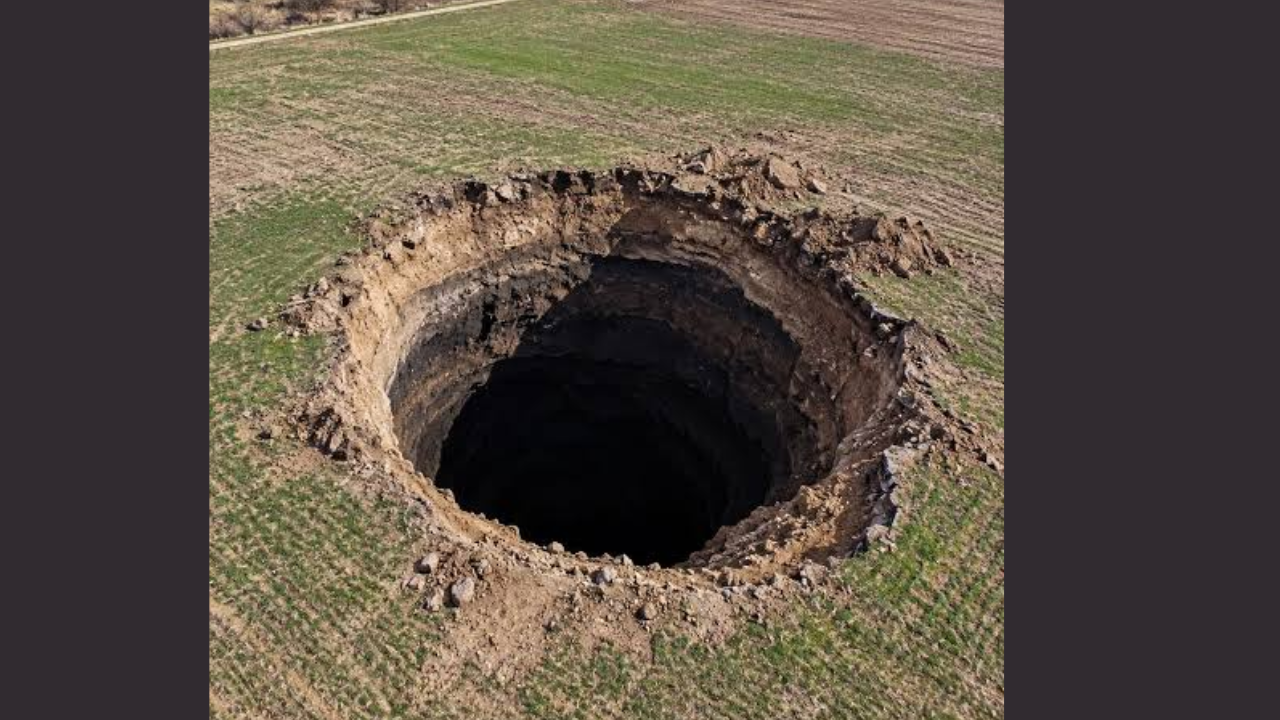
The root of the conflict involved agricultural drainage pipes and water management. Helfrich claimed that runoff from neighboring land was damaging his farm property. Rather than communicating with the owners or repairing the compromised infrastructure properly, Helfrich chose a remarkably unconventional route.
He admitted under oath that he took matters into his own hands by filling holes near the underground drainage system with random household garbage and scrap materials.
During the trial, transcripts revealed Helfrich's casual admission: "When they asked what I put in there, I said, 'I don't care what it was. I filled the hole with shoes, with rocks, license plates, anything. It didn't matter to me what I put down there.'"
When questioned later, he argued that he dumped the debris into the openings simply to protect people and livestock from falling into dangerous holes in the field. Yet, he readily acknowledged that he had other options. He could have fixed the broken drain or asked his neighbors to handle the repairs. He skipped both options, blocked the drainage holes himself, and then turned around and sued the neighbor over the resulting water issues.
When Counterclaims and Courtrooms Backfire
Once Helfrich initiated legal action, Foor Family Investments fired back with a counterclaim. The company sought financial compensation and a legal drainage easement across the property.
The case went to a jury trial in Licking County, Ohio. Helfrich chose to represent himself on his own claims, while an insurance-provided lawyer represented him against the counterclaim. The jury flatly rejected Helfrich's claims, ruling in favor of the neighbors and hitting him with $30,000 in initial damages, alongside establishing an easement by estoppel. An appeals court upheld that verdict in 2022.
You might think that would be the end of it. It wasn't.
Foor Family Investments returned to court requesting interest, legal fees, and administrative expenses. Their argument was straightforward: Helfrich knew perfectly well that he had sabotaged the drainage system himself, yet he persisted with lawsuits that had no factual or legal foundation.
The Appeals Court Drops the Hammer
The trial court agreed with the landowners, ruling that Helfrich’s continued legal actions constituted frivolous conduct under Ohio law. The penalty was steep: $126,198 in legal fees and expenses to cover what the neighbors spent defending themselves.
Helfrich appealed the penalty to the Fifth District Court of Appeals of Ohio, arguing that the judge abused his discretion and mishandled his requests. A three-judge panel consisting of Judges Robert G. Montgomery, William B. Hoffman, and Craig R. Baldwin didn't buy it.
Writing for the panel, Judge Montgomery upheld the penalty in full. The court pointed out that Ohio Revised Code and Civil Rule 11 give judges sharp tools to penalize litigants who file baseless documents or drag out proceedings just to cause trouble. Courts expect you to read what you sign, verify that you have valid grounds, and avoid wasting the judicial system's time.
The appeals court confirmed that the trial court acted entirely within its rights. The $126,198 price tag stood, bringing a definitive financial end to a dispute that spiraled completely out of control.
What Property Owners Can Learn From This Mess
Property law isn't a DIY project where you can throw old license plates into drainage pipes and expect a court to reward your ingenuity. If you're dealing with a legitimate property dispute or water runoff issue, the path forward requires documentation, professional assessment, and direct communication.
- Document everything legally: Take photos, hire licensed surveyors, and keep records of all communications.
- Avoid self-help tampering: Blocking drains or altering shared water flow manually opens you up to massive liability.
- Consult experts first: A civil engineer or a local real estate attorney costs a fraction of a six-figure legal sanction.
Ignoring common sense doesn't make a legal claim stronger. Sometimes, the most expensive thing you can do is refuse to admit you made a mistake.