We have all vented online after a bad day, but hitting submit on a scathing review can carry an unexpected price tag. A single digital complaint just escalated from a routine online gripe into a serious courtroom battle in Ohio.
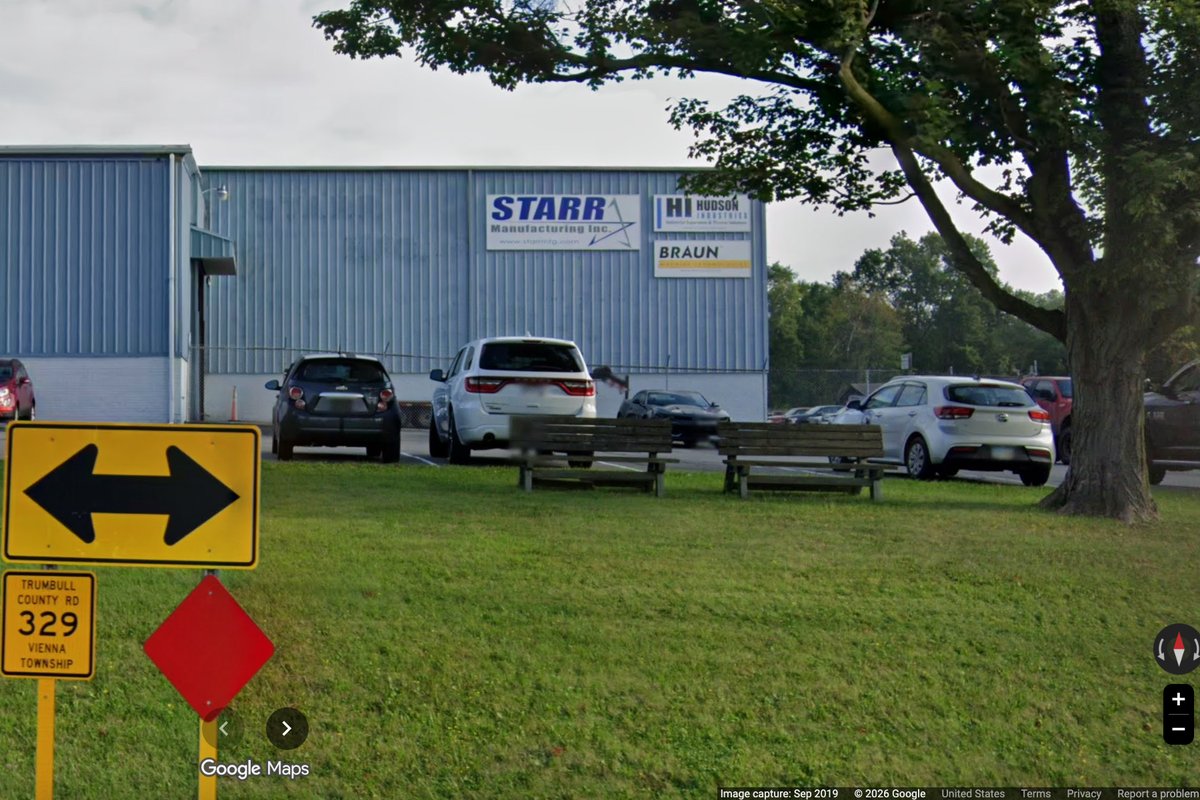
Starr Manufacturing, an industrial equipment maker based in Vienna, Ohio, filed a defamation lawsuit against Columbus resident Julie Watson in the Trumbull County Court of Common Pleas. The company is seeking more than $25,000 in damages. This case highlights a growing legal headache for internet users who assume anonymous or casual venting has no real-world consequences. For a closer look into similar topics, we suggest: this related article.
Behind the Claims and the Courtroom Filing
The legal dispute centers on a one-star rating and a written review posted to the company's Google Business Profile. According to court documents, the review did not just complain about bad service. It went much further.
The review alleged that Starr Manufacturing suffered from severe quality control failures, blamed the company for using shoddy subcontractors, and claimed that well pad sites required emergency fixes for improperly tightened bolts and fasteners. It also stated that the author could provide names and addresses of other people who could confirm these manufacturing failures, ending with a warning to do business elsewhere. To get more details on the matter, in-depth reporting is available at Forbes.
Starr Manufacturing argues that these accusations are entirely false, malicious, and damaging to its professional reputation. More importantly, the company claims that the reviewer crossed the line from a protected opinion into provable falsehoods.
The Crucial Twist That Changes Everything
Most people assume defamation lawsuits over reviews only happen when a disgruntled customer clashes with a business owner. This case is entirely different.
Thomas Nader, an attorney representing Starr Manufacturing, stated publicly that the defendant has never been a customer, client, supplier, or vendor of the firm. Instead, the company claims the review stemmed from a personal dispute following the end of a relationship between Watson and an employee at the company.
Legal experts point out that this single detail changes the entire trajectory of the litigation. When a genuine customer writes a harsh review about a bad product, they often enjoy strong legal protections for sharing personal experiences. When someone with no commercial relationship posts specific, verifiable claims about a company's operational failures—allegedly fueled by a personal vendetta—those protections shrink rapidly.
What This Means for Online Reviews and Free Speech
People treat review platforms like an unregulated wild west. They assume that if it is on the internet, it is protected speech. That is a dangerous misconception.
To win a defamation claim, a company must prove the statements are false, caused actual harm, and were made with a certain degree of fault. General gripes like "the service was slow" or "I hated the product" usually stay protected as personal opinion. However, dropping specific factual assertions—such as claiming a manufacturer uses faulty bolts on industrial well pads or citing fabricated operational failures—invites legal trouble.
Businesses rarely sue over bad reviews because litigation is expensive and often draws more negative attention, a phenomenon known as the Streisand effect. When a company does pull the trigger, it usually means management believes the statements are demonstrably false and financially dangerous.
Think twice before typing out accusations online. Stick strictly to your own personal experiences, avoid claiming inside knowledge about a company's inner workings, and remember that the keyboard does not shield you from accountability.