A single synthetic photograph can shut down a major public reservoir, mobilize emergency wildlife boards, and land its creator behind bars. It sounds like a dystopian tech thriller. But it actually happened at Pandan Reservoir in Singapore.
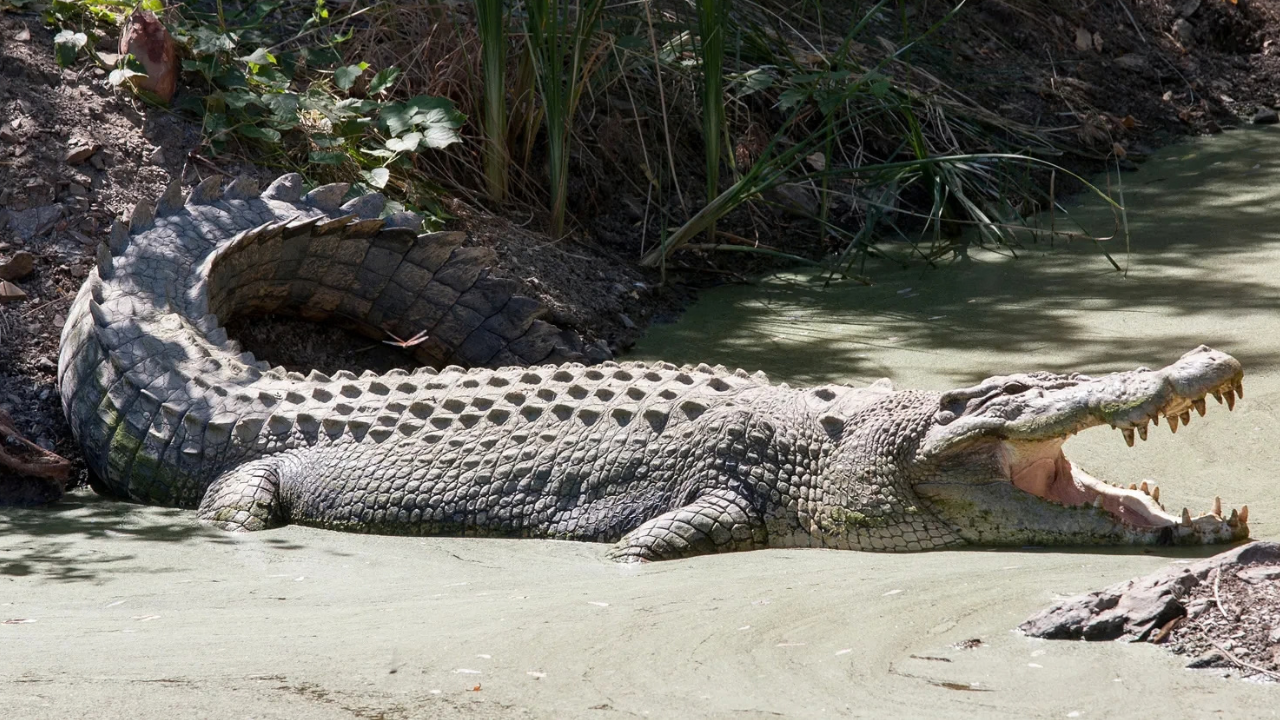
When a 30-year-old worker named Ye Lin generated a fake image of a crocodile using Google's Gemini application and sent it to a colleague, he probably didn't expect the heavy hand of the law to drop on him. Yet, that single message initiated a two-day search-and-capture operation, shuttered water sports across the basin, and resulted in a criminal case carrying up to ten years in total potential prison time.
If you think modern artificial intelligence is just a tool for writing emails or generating goofy memes, this incident serves as a stark wake-up call. The friction between hyper-realistic synthetic media and municipal crisis response is real, expensive, and increasingly dangerous.
When Pixels Mimic Reality Too Well
The panic kicked off at around 3 pm on August 20. Singapore's national water agency, PUB, received an urgent report complete with visual evidence of a predatory reptile lounging near Pandan Reservoir. Public safety took immediate precedence. Authorities didn't wait to verify the pixels. They treated the threat as authentic because ignoring a genuine apex predator near recreational waterways is not an option.
The National Parks Board (NParks) joined the scramble. Search teams swarmed the perimeter, caution signs went up, and recreational water activities ground to a halt. The Singapore Rowing Association and the Singapore Canoe Federation had to cancel events and training sessions for forty-eight hours.
The kicker? The animal didn't exist.
When officials later ran the photo through multiple specialized artificial intelligence detection tools, the software failed to deliver a definitive verdict. The algorithms produced inconclusive results. Without foolproof tech verification, human authorities had to rely on boots-on-the-ground searches. That technical limitation highlights a massive vulnerability in our current public infrastructure. Our detection filters are simply not keeping pace with generative models.
The Cover-Up That Worsened the Charges
Creating the false image was only the first domino to fall. Investigators tracked the digital footprint back to Ye Lin, who was employed by a reservoir-maintenance contractor. Police discovered that after sending the snapshot to a coworker, he allegedly wiped the generated images and deletion logs from his phone's mobile app history.
That digital cleanup attempt turned a bad situation into a severe legal crisis.
When Ye appeared before the State Courts, he faced two distinct criminal counts under Singapore law. First, he was charged under Section 14D of the Miscellaneous Offences (Public Order and Nuisance) Act 1906 for communicating a false message. That specific charge carries a maximum penalty of three years in prison, a fine of up to S$10,000, or both.
Second, the attempt to erase application logs and images triggered a charge under Section 204A of the Penal Code 1871 for obstructing the course of justice. That charge alone carries a maximum sentence of seven years in prison, a fine, or both. Combined, the maximum theoretical exposure reaches ten years behind bars, though actual sentencing will ultimately depend on judicial discretion during upcoming court dates.
Through an interpreter, the accused indicated an intent to plead guilty without legal representation, setting up a definitive court appearance scheduled for November 10.
Why Public Infrastructure Is Unprepared for Synthetic Media
This bizarre case exposes a systemic blind spot in how modern cities handle digital verification. Local governments rely on rapid reporting pipelines. When a citizen submits photographic proof of a hazard, standard operating procedures dictate immediate action to protect human lives.
What happens when bad actors—or careless pranksters—flood these channels with synthetic threats?
Cities cannot afford to ignore real dangers, yet they also cannot afford to deploy emergency resources every time someone prompts an image generator. Current commercial detectors are notoriously unreliable, often flagging genuine photos as fake while clearing sophisticated fabrications. This gray area creates a playground for disruption.
Singapore Police issued a blunt warning following the arrest, cautioning citizens against submitting fabricated or digitally altered material to government agencies. The message is clear. Municipalities are done treating digital mischief as a harmless prank.
Practical Takeaways for Navigating the Synthetic Age
If you work in communications, public safety, or corporate management, you need a protocol for handling unverified digital media before an emergency occurs.
- Establish Verification Protocols: Never rely on visual inspection alone. Mandate multi-source corroboration before shutting down operations or dispatching physical response teams.
- Upgrade Verification Tools: Invest in advanced provenance tracking and cryptographic content credentials rather than basic consumer detection apps that easily return inconclusive results.
- Understand Local Legal Boundaries: Recognize that sending fabricated media to authorities or employers crosses the line from poor taste into severe criminal territory, particularly when public panic or economic disruption follows.
The era of trusting your eyes online is officially over. Treat unverified visuals with immediate skepticism, because a fake image can turn your local water supply into a crime scene overnight.
:max_bytes(150000):strip_icc():focal(599x0:601x2)/sydney-sweeney-emmys-2025-5feae831f782414085c56ff6c1efc704.jpg)