You can always spot the exact moment suburban sprawl swallows a country road. First come the surveyors with their tripods, then the heavy timber trucks, and finally the rows of identical vinyl-sided houses staring blankly where cornfields used to sway. For Jeff Biddle, watching that wave creep closer to Tussey Mountain in Pennsylvania wasn't an abstract worry. It was a daily reality.
Instead of cashing out when deep-pocketed buyers came knocking with multi-million dollar development proposals, Biddle did something rare. He slammed the door on them. He signed a permanent conservation easement with the Centre County Farmland Trust and ClearWater Conservancy, locking down his 170-acre dairy property so concrete can never touch it.
People look at numbers on a check and lose their minds. Biddle looked at seventy years of history, rocks he’d pulled out of the dirt with his own hands since childhood, and told developers to look elsewhere.
The True Cost of Selling Out
Let's be honest about what happens when agricultural land gets paved over. Real estate agents love to talk about "unlocking value" or "highest and best use." It sounds clean, corporate, and smart. But anyone who has actually farmed knows that concrete is a one-way street. Once you put up rooftops, the wildlife vanishes, the local aquifer loses its natural sponge, and the quiet rhythm of rural life dies overnight.
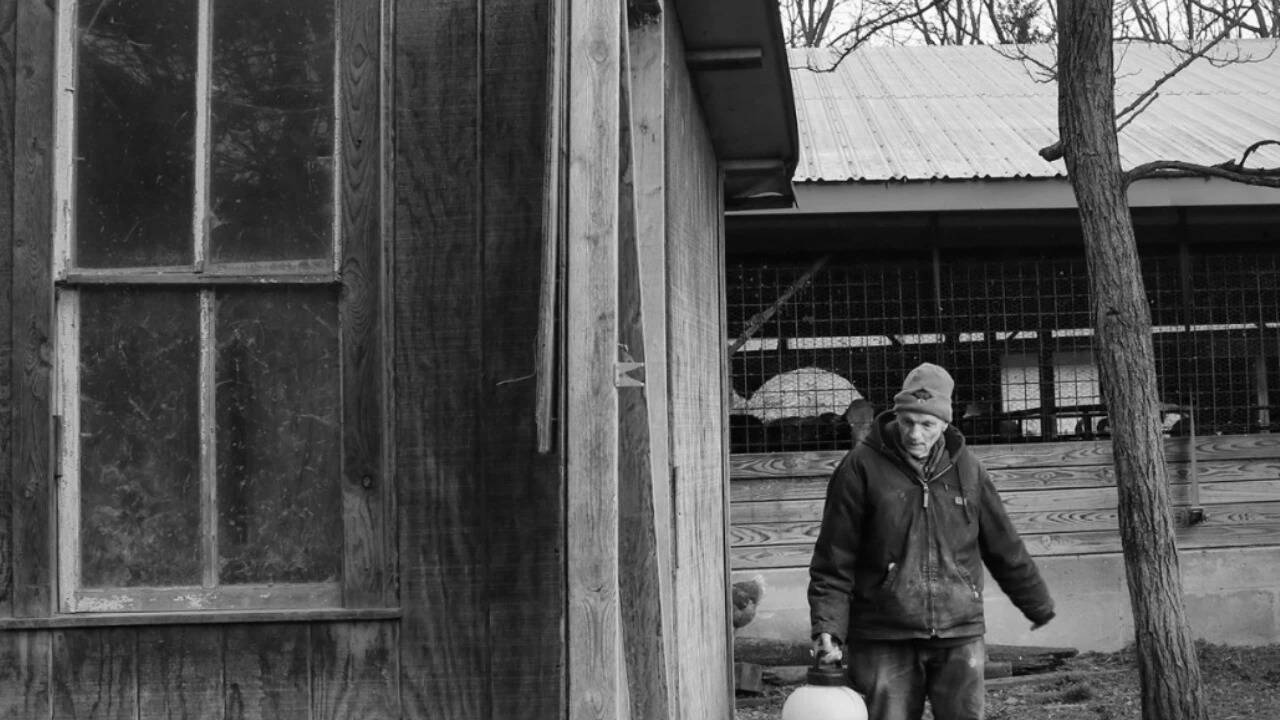
Biddle understood this better than most. He spent seven decades on Bear Meadows Farm. He watched wild turkeys strut through the brush, bears roam the tree lines, and deer pick their way across the meadows. When a prospective buyer pointed out the beauty of the property and hinted at how much money could be made by subdividing it, Biddle didn't flinch.
He told them the property was only beautiful precisely because nobody had built houses on it. Once you add rooftops, you don't have a landscape anymore. You have a subdivision.
How Conservation Easements Actually Work
If you think giving up development rights means losing your land, you've got it backward. A conservation easement is a voluntary, legally binding agreement that restricts future uses of a property to protect its natural or agricultural values. Crucially, the landowner keeps owning the property. They can farm it, pass it down to their kids, or sell it—but the restriction stays attached to the deed forever.
For Bear Meadows Farm, the stakes go way beyond one guy's attachment to his cows. The 170-acre spread sits right on the edge of the Centre Region's growth boundary. The fields, forests, and wetlands act as a vital sponge for the headwaters of Spring Creek. Every drop of rain that falls on those pastures filters down into local aquifers that feed cold-water fisheries and supply drinking water downstream all the way to the Chesapeake Bay.
Local conservation groups like ClearWater Conservancy spent decades working to safeguard that watershed. When Biddle finalized his agreement, he didn't just save a family dairy. He protected an entire ecological buffer zone from turning into asphalt parking lots and storm runoff channels.
The Grit Behind Bear Meadows Farm
Farming isn't a romantic movie set. It's calloused hands, broken equipment, and endless manual labor. Biddle's father, Harold, bought the initial parcel back in 1959 as a hunting camp before expanding into a beef operation. Jeff grew up working those fields, hauling tons of rocks out of the soil year after year.
After running a successful woodworking and cabinet-making business for years, Jeff and his wife Claudia made a pivot that most people would call crazy. At age 49, when most folks start thinking about slowing down, Jeff jumped headfirst into dairy farming. They converted Bear Meadows Farm into a grass-based operation, earned their raw milk permit from the Pennsylvania Department of Agriculture, and started selling grass-fed dairy, beef, eggs, and artisan cheeses.
That deep sweat equity changes how you view a piece of land. When you've pulled thousands of tons of stones out of a pasture by hand, you don't want to watch a bulldozer tear it apart just because someone waved a fat check in your face.
Why Protecting Farmland Matters Right Now
We are losing agricultural ground faster than we can replace it. Small family farms face crushing tax pressures, retirement dilemmas, and relentless offers from commercial developers who view green space as vacant inventory waiting to be monetized.
When farmers choose conservation over cash, they're playing the long game for society. They are locking in local food security, maintaining scenic open spaces, and protecting wildlife corridors that keep ecosystems functioning.
You don't need a 170-acre farm to make a stand against thoughtless sprawl. Support local agricultural trusts, buy your milk and cheese from regional producers who actually care about the soil, and stop treating rural land as an infinite resource just waiting for a strip mall.
Stop waiting for someone else to save the open spaces in your backyard. Back local land preservation efforts with your wallet and your voice before the bulldozers make the choice for you.