In 1944, Christine Hires stood at a crossroads. She had the cash in her pocket to buy a luxurious fur coat. It was a classic mid-century status symbol. Instead, she bought 150 acres of rolling Vermont dirt. She didn't buy a fashion statement. She bought a legacy.
Most people today struggle to look past the next fiscal quarter. They chase immediate gratification like it's the only thing that matters. Hires played a different game entirely. She spent two decades working the land as a vacation getaway, but she never treated it as just a playground for the wealthy. When she eventually handed the keys over to the Green Mountain Audubon Society in 1964, she did more than donate real estate. She ensured a slice of the natural world would stay wild forever. Discover more on a connected issue: this related article.
The Myth of the Quick Investment
We often hear about land as a commodity. It’s something to be flipped, developed, or carved into tiny suburban lots. Hires saw it differently. When her husband asked about the missing coat, her response was allegedly, "Oh, golly." It’s a funny anecdote, but it hides a serious truth about long-term thinking.
Buying land isn't just about the purchase price. It’s about stewardship. Most people think they need to be billionaires to save the planet. That’s nonsense. Hires was part of the family behind the famous Hires Root Beer, sure, but the principle holds: you don't need to be a massive corporation to make a permanent dent in environmental conservation. You just need to stop viewing your assets as temporary. Further analysis by Vogue explores related views on the subject.
Why This Property Still Matters
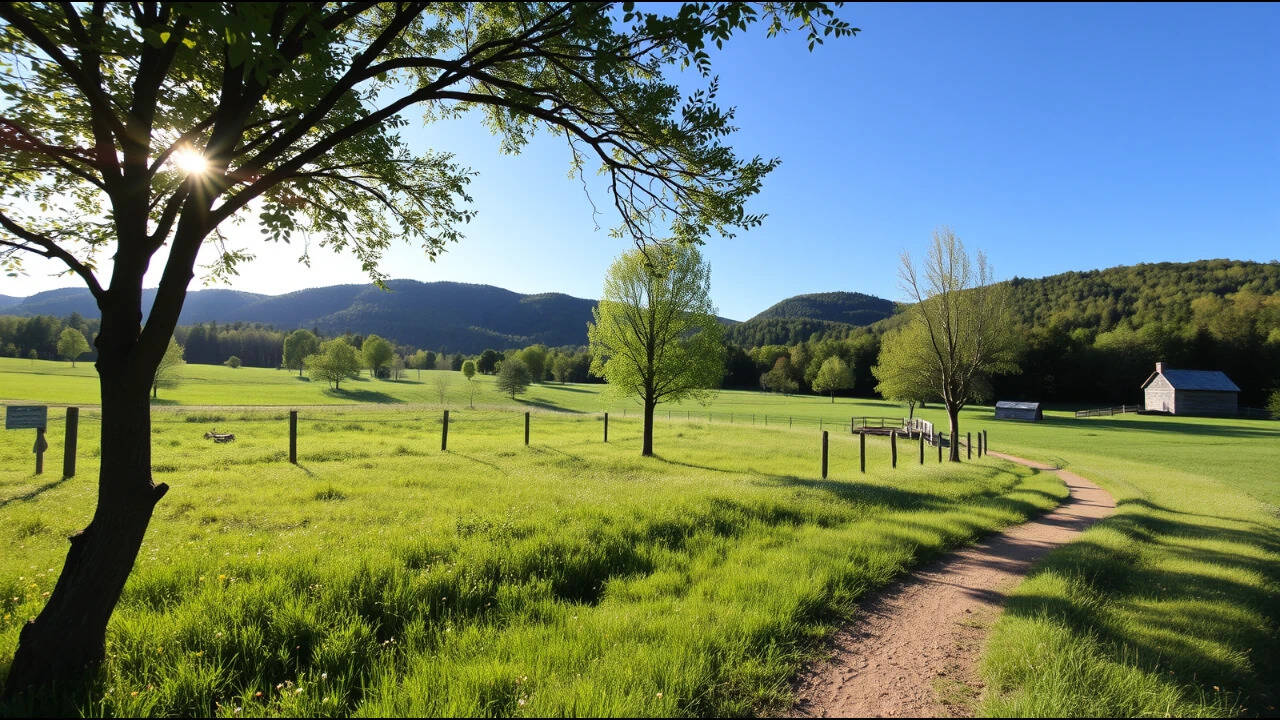
Today, the Green Mountain Audubon Center spans 255 acres. It’s a thriving ecosystem, not a manicured park. If Hires hadn't made that "impulsive" decision in 1944, those 150 acres would likely be a sprawling housing development or a commercial strip.
I’ve walked enough protected trails to know the difference between land that’s "saved" and land that’s "maintained." This site is the latter. It’s Vermont’s oldest operating nature center. It isn't just for show. They run summer camps, host bird-friendly sugarbush operations, and manage critical habitat.
Here’s why it works:
- Public Access: You can’t learn to protect what you can’t see. Five miles of trails put people directly in touch with the local ecology.
- Adaptive Reuse: The original farmhouse is now a visitor center. The old dairy barn hosts community programs. They didn't tear down the history; they repurposed it.
- Scientific Continuity: Keeping the land in the hands of an organization like Audubon means there’s data tracking. We need long-term observation to understand how climate shifts affect local species.
The Lesson for Modern Owners
You’re probably thinking, "Great story, but I don't have a 150-acre farm to donate." You don't have to. The Hires story isn't about the scale of the land. It’s about the mindset.
Stop buying stuff that rots or loses value. A fur coat eventually ends up in a closet, moth-eaten and forgotten. Land—even a small plot or a protected garden—leaves a mark.
If you own property, you’re a steward. You don’t need to donate the whole thing to a nonprofit to make a difference.
- Remove invasive species. This is the single highest-impact thing you can do for your local ecosystem.
- Plant native flora. Lawns are ecological deserts. Replace even a small section with local wildflowers or shrubs.
- Set up a conservation easement. If you’re serious about protecting your land from future development, research legal pathways to restrict how it can be used after you’re gone. It’s a permanent gift to the future.
Beyond the Sentiment
People love these stories because they feel good. They make us think about a simpler time when people made bold, eccentric choices. But let's be honest: Hires wasn't just being eccentric. She was being calculated. She saw the value in the landscape that others missed.
We need more of that. We need more people who look at their bank accounts and decide that a tangible, lasting contribution is better than a temporary luxury.
The next time you’re tempted to drop a significant amount of money on a depreciating asset, pause. Ask yourself if you’re building something that lasts. If the answer is no, keep your money. Put it into something that will still be standing in 60 years. Your legacy isn't what you wear. It’s what you leave behind.