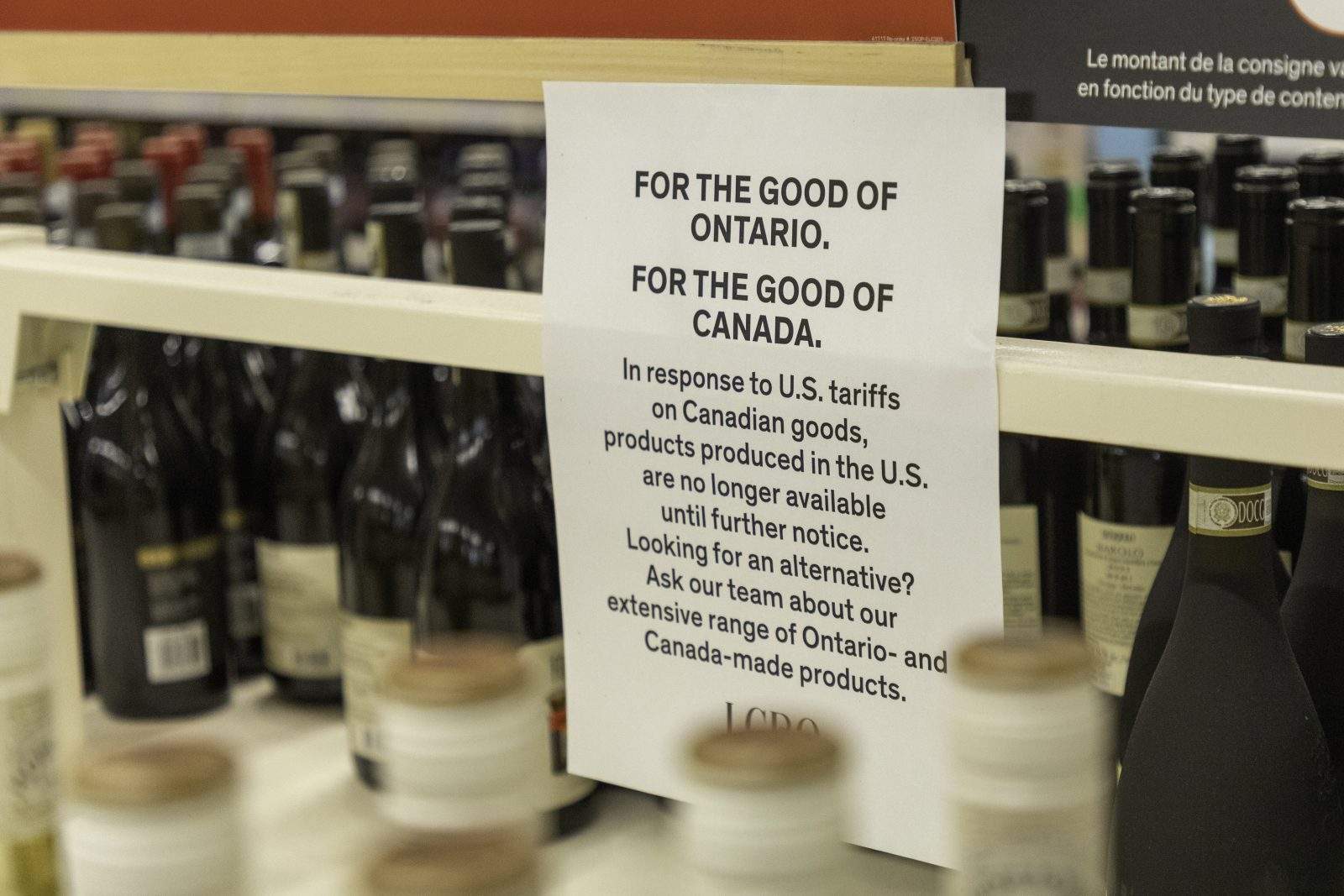
Trade wars rarely stay contained to the industries that start them. When Canadian provinces pulled American alcohol from state and provincial liquor store shelves as retaliation against U.S. tariffs, local vineyards suddenly found themselves caught in a high-stakes crossfire. Now, with a looming deadline for a punishing 50 per cent U.S. tariff threat, cracks are forming in the united front. Some Ontario vintners are admitting they would gladly welcome American bottles back if it means keeping broader export channels open.
It is a pragmatic calculation born out of economic survival. But it exposes a deeper tension over whether using local booze as a geopolitical weapon hurts foreign competitors or simply creates long-term collateral damage for domestic producers.
The Reality of the Cross-Border Wine Trade
Let's be clear about the numbers. The wine trade between Canada and the United States has never been symmetrical. Before Ontario and other provinces banished American brands from LCBO stores, Canada imported hundreds of millions of dollars worth of U.S. wine annually. Meanwhile, Ontario Vintners Quality Alliance (VQA) wineries exported only a tiny fraction of their production south of the border.
For many small craft winemakers in Niagara and Prince Edward County, the U.S. market was always more trouble than it was worth. Navigating the fragmented American three-tier distribution system means dealing with endless state-level regulations, steep distributor fees, and middlemen who swallow profit margins whole.
So when provincial boycotts hit, local winemakers didn't mourn the loss of American shelf space. In fact, local sales spiked significantly as curious consumers reached for homegrown bottles instead.
Why Some Producers Want a Compromise Anyway
If local sales are up, why would any Ontario winery support bringing back U.S. competitors? Because wine is rarely negotiated in a vacuum.
Trade representatives and political leaders look at broad portfolios of goods. When Washington threatens steep levies on critical economic drivers like aluminum, steel, forestry, and manufacturing, provincial premiers face immense pressure. Figures like Norman Beal of Peninsula Ridge Estates Winery have pointed out an uncomfortable truth: sacrificing the alcohol retail ban might be a necessary price to pay if it saves heavier industrial sectors from catastrophic duties.
It is a bitter pill. Vintners who spent the last year enjoying a protected domestic market understand that reintroducing American wine means losing a temporary competitive advantage. Yet, economic interdependence means heavy industries cannot afford a protracted trade war without taking everyone else down with them.
The Broader Economic Toll
The fallout extends far beyond boutique vineyards. American wine associations and politicians have repeatedly flagged the devastating financial impact of these provincial bans on U.S. growers, which ultimately triggered the White House to escalate threats of secondary penalties.
On the flip side, Canadian distilleries face an entirely different set of vulnerabilities compared to wineries. While craft winemakers can rely heavily on local domestic consumption, Canadian spirits producers send a massive share of their total exports directly to the U.S. If retaliatory spirals continue unchecked, sectors heavily reliant on American export markets will bear the brunt of the damage.
What Happens Next
As deadlines approach and political leaders negotiate under immense pressure, the consensus among local producers is shifting away from stubborn isolationism. Protecting regional wine sales is nice, but keeping heavy manufacturing and broader cross-border commerce afloat is essential.
Expect provincial leaders to quietly use alcohol access as a primary bargaining chip. The bottles sitting on store shelves are just pawns in a much larger economic chess match.
New tariffs on U.S. wine industry are a massive problem, says one wine trade group president
This video provides additional context on how trade groups view the sweeping impacts of cross-border wine tariffs and restrictions.