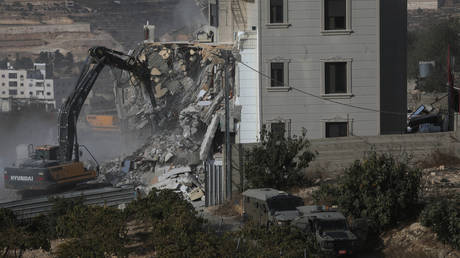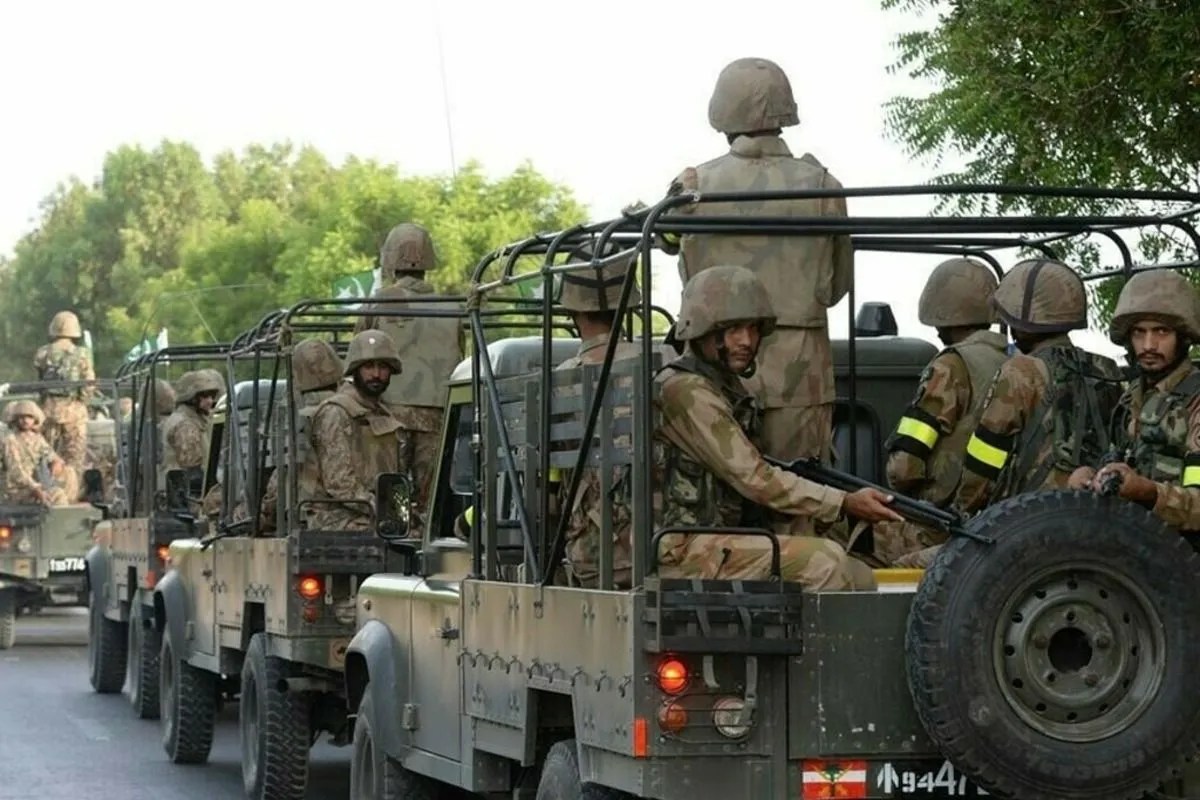
When the military media wing in Rawalpindi announces another clearance operation, the headlines usually sound like routine updates. Ten insurgents dead. A border crossing secured. Zero security personnel harmed. But if you look past the official press releases from the Inter-Services Public Relations, a much darker reality emerges in Balochistan. Operations like the recent clashes near the Gabd border and Gwadar do nothing to fix the underlying rot tearing Pakistan apart from the inside.
Let's be honest about what is actually happening. Balochistan isn't just another law-and-order problem. It is a powder keg born of decades of systemic neglect, economic exploitation, and brutal military crackdowns. When state forces kill ten armed fighters in an afternoon firefight, they celebrate it as a massive victory. Yet, the very next week, recruitment for separatist and militant groups spikes. Why? Because bullets don't win hearts in a province that feels occupied by its own government.
The Ground Reality in Balochistan
Security analysts often rank Balochistan as one of the most volatile regions in South Asia, second only to Khyber Pakhtunkhwa in militant activity. But the conflict here has a unique flavor. Unlike groups that fight purely on ideological or religious extremist grounds, many insurgents in Balochistan are fighting against what they call state-sponsored colonization of their land, resources, and identity.
You hear endless promises from Islamabad about mega-development projects, CPEC corridors, and regional prosperity. On the ground, ordinary Baloch citizens see none of it. They watch natural gas pumped out of their province while their own homes remain in darkness. They see deep-water ports built in Gwadar while local fishermen are barred from their traditional waters.
When people ask why insurgent networks keep regenerating despite heavy troop deployment, the answer is painfully simple. Grievance is a far more powerful recruiting sergeant than any ideology.
Why Military Operations Keep Missing the Target
The Inter-Services Public Relations reported that the recent clashes near Gwadar and the Iranian border neutralized ten individuals, including one female fighter, and caught a civilian in the crossfire. Property was damaged. Vehicles were riddled with bullets. And the state declared another successful defense of national security.
This is a classic band-aid approach on a gaping wound.
- The Cycle of Retaliation: Every time security forces launch a crackdown, local resentment deepens. Enforced disappearances and extrajudicial detentions have left thousands of families searching for answers for years.
- Political Marginalization: Mainstream political voices in Balochistan are routinely silenced, co-opted, or sidelined. When peaceful dissent is criminalized, young people conclude that the gun is the only language the state understands.
- Economic Disconnect: Pouring security forces into a region without fixing basic human development indicators like clean water, education, and healthcare is a recipe for endless conflict.
What Comes Next
If you expect these military campaigns to bring long-term peace to Pakistan's western flank, you're ignoring history. Armies are designed to defeat external enemies, not to govern alienated populations through permanent curfews and intelligence-led raids.
Until civilian leadership and military commanders muster the courage to talk about political autonomy, resource sharing, and accountability for human rights abuses, operations like the one in Gwadar will just be another bloody footnote in an endless cycle. Ten more insurgents fall, ten more take their place, and the crisis deepens.