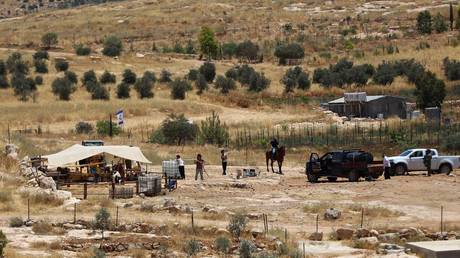
When United Nations experts step forward to demand international protection and peacekeepers for the occupied Palestinian territories, you know the situation on the ground has crossed a critical threshold. We are watching a systematic surge in violence across the West Bank and East Jerusalem, driven largely by an escalating campaign of settler intimidation that leaves local communities completely exposed.
If you look past the standard diplomatic statements, the core issue is simple. Palestinian families living in vulnerable rural pockets and flashpoint towns face daily threats with virtually zero local protection or legal recourse. International monitors and human rights defenders argue that traditional diplomatic appeals no longer work against a backdrop of unchecked territorial expansion. You might also find this similar article useful: Why The Justice Department Wants Executive Power Over Diplomatic Discipline.
The Reality Behind the West Bank Surge
Data compiled by humanitarian monitors shows an alarming jump in casualties and property destruction. In regions like Area C—which remains under full military and civil control by Israel—community infrastructure is routinely dismantled. Villages such as Umm al-Kheir in the South Hebron Hills find themselves entirely encircled by expanding settlements and unauthorized outposts.
Water lines get cut. Olive groves are torched. Grazing lands are fenced off by armed groups. These actions are not random outbursts of civilian temper. They operate as calculated pressure tactics designed to make daily survival impossible, forcing indigenous residents off ancestral lands. As discussed in latest coverage by The Guardian, the effects are significant.
- Entire hamlets face forced displacement under the weight of constant night raids.
- Essential services like electricity grids and cisterns are systematically targeted for demolition.
- Accountability for aggressors remains practically non-existent, creating a culture of total impunity.
Why Peacekeepers Face an Uphill Battle
Deploying an international peacekeeping mission to the Palestinian territories sounds straightforward on paper, but the geopolitical hurdles are massive. Any official UN peacekeeping deployment requires a mandate from the Security Council, where permanent members hold veto power. Major powers routinely block binding resolutions that target allied state policies or impose external security arrangements on occupied zones.
Even if a coalition of willing nations agreed to send unarmed monitors or armed protection forces, the occupying power would likely refuse cooperation on the ground. Without state consent, peacekeepers risk getting caught in active crossfire or being reduced to powerless observers watching structural displacement unfold from behind sandbags.
What Comes Next for Vulnerable Communities
Local populations aren't waiting around for a fractured international community to find its backbone. Grassroots protection networks, legal aid groups, and international volunteers attempt to fill the void by sleeping in threatened homes and documenting rights violations in real-time. Yet these efforts remain painfully underfunded and outmatched against state-backed machinery.
If international bodies genuinely want to stop the bleeding, symbolic press releases won't cut it. Diplomatic pressure has to translate into tangible consequences, including trade restrictions on goods originating from illegal settlements and direct legal accountability for perpetrators of violence. Until those steps happen, the demand for peacekeepers remains a desperate cry into an empty room.
UN says Israel Must Protect Palestinians After West Bank Settler Attack
This video provides an overview of the documented incidents and the UN response regarding the surge in West Bank settler attacks.