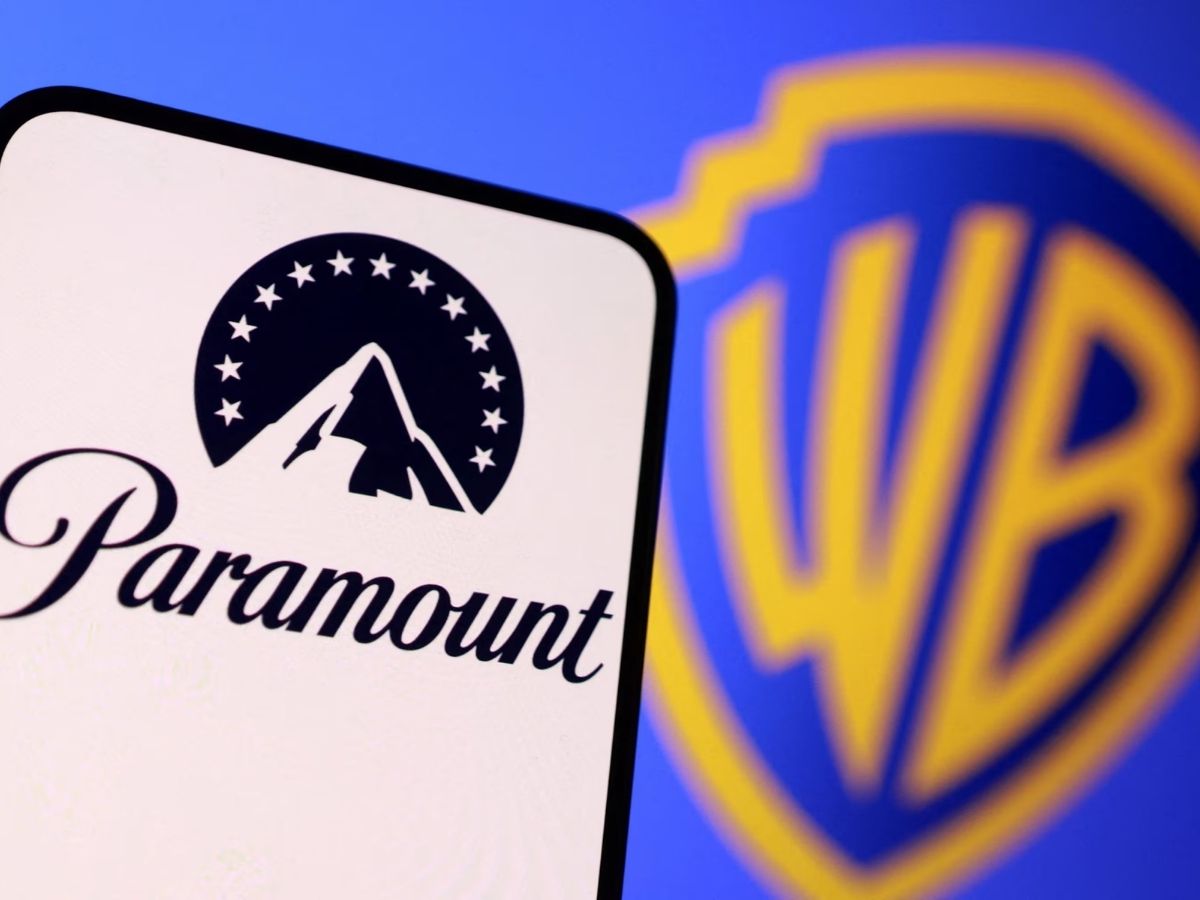
When you sign a contract that includes a ticking time bomb, you don't get to blame the people who try to stop the fuse from burning. Yet, that's exactly where Paramount Skydance finds itself today. As of August 17, 2026, the media giant has officially asked a federal court to force a coalition of 12 states—led by California—and the Writers Guild of America to post a massive $1.9 billion bond.
The goal? To cover the "ticking fees" that rack up every single day this massive $110 billion merger with Warner Bros. Discovery remains stuck in legal purgatory. Discover more on a similar topic: this related article.
It’s an aggressive, high-stakes move. It’s also a desperate one. If you're wondering how a corporate entity thinks it can force state attorneys general to pay for its own risky deal structure, you aren't alone.
The Cost of a Bad Bet
Let’s be clear about how we got here. When Paramount and Warner Bros. Discovery entered this agreement, the deal terms were written with a "ticking fee" provision. This is essentially a penalty—or an incentive, depending on how you view it—designed to protect Warner shareholders if the merger drags on past a certain date. Additional journalism by Forbes highlights comparable perspectives on this issue.
That date is October 1, 2026.
From that point on, Paramount is on the hook for roughly $7 million every day the deal isn't closed. By the time the antitrust trial concludes in March 2027, those fees could easily eclipse $1.3 billion. Throw in additional financing costs, and you arrive at the $1.9 billion figure Paramount is tossing around.
Paramount is arguing that because the states and the WGA are the ones blocking the deal via a lawsuit, they should be the ones to provide the "security" for these losses. They are citing the Clayton Antitrust Act, suggesting that when a party seeks to enjoin a merger, they should be held liable for damages if their legal challenge fails.
Why This Is a Regulatory Nightmare
This legal maneuver isn't just about money; it's a dangerous precedent. If courts started requiring states to pay for the "losses" of corporations they sue, it would fundamentally change antitrust enforcement.
Think about the incentives. If every merger included massive, front-loaded ticking fees, it would act as a private "poison pill" against government intervention. A company could potentially scare off regulators just by promising to pay a penalty for every day of delay. If the government knows it might be liable for $2 billion in legal bonds, it’s going to be a lot more hesitant to challenge a deal—even if that deal hurts consumers.
The states and the WGA have a different view. They argue the merger creates a monopolistic stranglehold on film distribution, big-budget releases, and cable programming. They aren't just filing a suit because they’re bored; they’re doing it because they believe the market will suffer if this consolidation is allowed to happen.
The Missing Link in Paramount's Strategy
Here’s the part most reports are missing: Paramount signed this agreement with their eyes wide open.
Other massive mergers, like the Disney-Fox deal, took roughly 15 months to close. Paramount set an aggressive timeline and agreed to these heavy penalties, knowing full well that an acquisition of this size—in a high-scrutiny climate—would almost certainly face regulatory pushback. They gambled on a quick win. Now that they're losing the clock, they’re trying to pass the bill to their opponents.
Judge Araceli Martinez-Olguin already declined a similar request back in July, correctly noting that these states are acting in the public interest. It's tough to see how the court changes its tune now. Requiring a public entity or a labor union to post nearly $2 billion is essentially asking them to stop doing their job.
What Happens Now
If the court rejects this bond request—which seems likely—Paramount stays in the hot seat. They will continue to bleed millions per day, or they’ll have to find a way to renegotiate terms with Warner Bros. shareholders, which is an entirely different kind of headache.
If you’re watching this, keep your eyes on two things:
- The October 1 Deadline: That’s when the financial pressure truly cranks up. The tone of the litigation will likely get nastier as that date approaches.
- The Precedent: Watch how the court addresses the Clayton Act argument. If the judge entertains this, it will become the new "playbook" for every massive tech and media merger that wants to avoid the long arm of the law.
Honestly, this is a masterclass in how not to structure a merger. You don’t get to bet on a best-case timeline, ignore the reality of antitrust litigation, and then sue the people trying to enforce the rules when the bill comes due.
The trial is set for March 2027. Between now and then, expect more legal theater, more "demands," and a whole lot of posturing while the meter keeps running. Don't be surprised if the bond demand is simply a distraction while they look for a way to exit or restructure the deal.