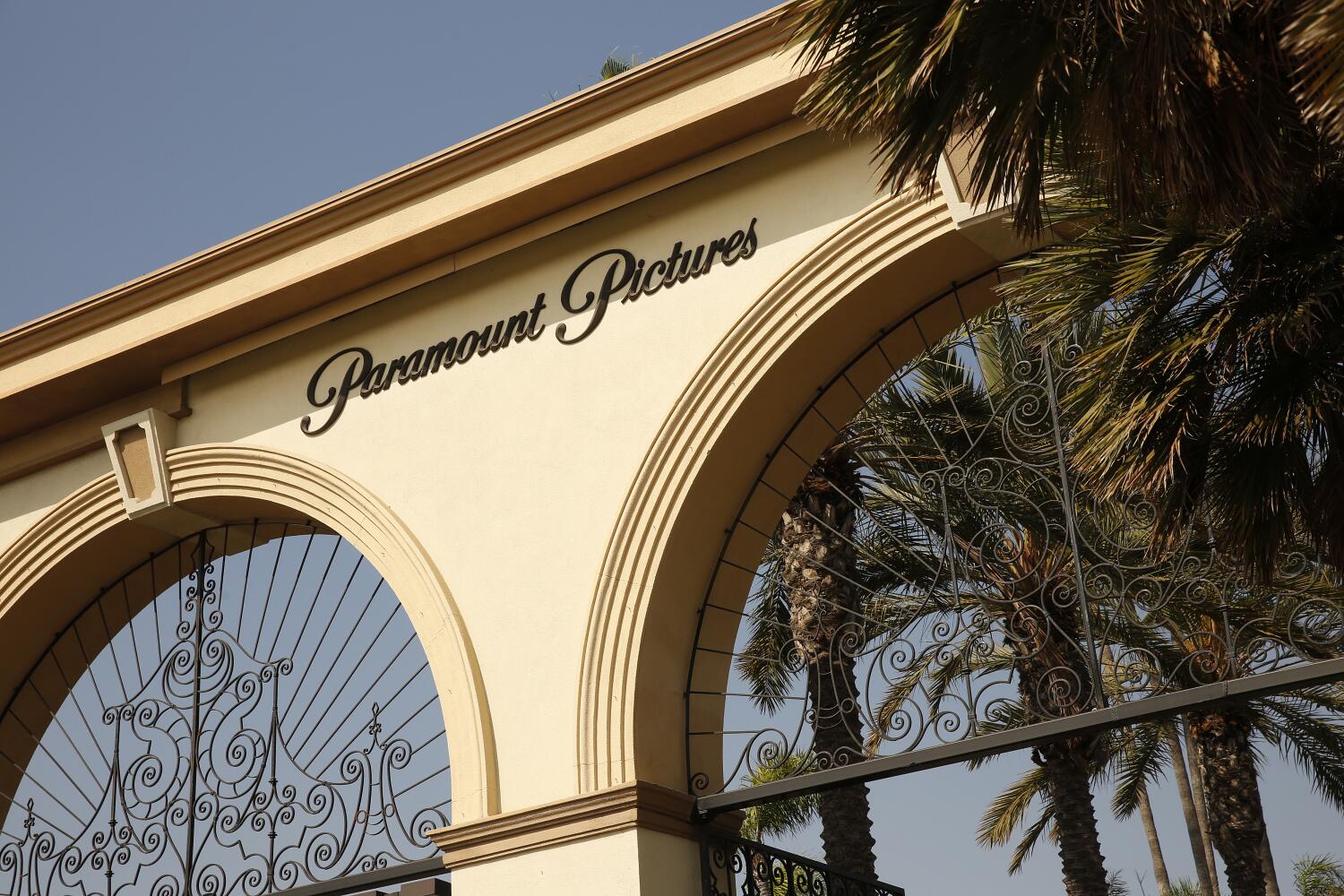
Paramount Skydance and Warner Bros. Discovery just hit the brakes on their $110 billion mega-deal.
Instead of pushing through a late-summer close, the two entertainment titans agreed to freeze their consolidation until at least June 1, 2027. The sudden pause gives federal courts time to weigh antitrust challenges from state prosecutors and Hollywood unions. Also making waves lately: Why The Saudi East West Pipeline Reopening Changes Everything For Global Energy.
If you're wondering how a deal approved by federal regulators suddenly hit a brick wall, you aren't alone. Here's what's actually driving the delay, what it costs the studios, and what it means for film fans and industry workers.
State Attorneys General and Writers Stand Up
The trouble started when a coalition of 12 state attorneys general, led by California and New York, sued to block the deal. They argued that putting two of Hollywood's legacy film studios under one roof violates antitrust laws by wiping out market competition. Additional details regarding the matter are detailed by The Economist.
Two days later, the Writers Guild of America filed a separate lawsuit. Guild leaders warned that merging the studios would shrink the market for buying original scripts, driving down pay and slicing job opportunities for creators.
A federal court in Oakland initially granted a temporary restraining order to pause the deal. Rather than fight through endless preliminary hearings, Paramount chose to freeze operational integration and go straight to trial.
That choice effectively freezes any attempts to combine streaming platforms, consolidate film distribution networks, or trim staff until a judge issues a final ruling on the merits of the case.
Millions of Dollars at Stake Every Single Day
Delays in multi-billion-dollar corporate buyouts are never cheap.
Under the terms of their agreement, Paramount agreed to pay Warner Bros. shareholders a penalty fee if the transaction failed to close by late September. That fee runs about $0.25 per share per quarter, translating to roughly $7 million per day in delay penalties.
Holding off until June 2027 could cost Paramount over $2 billion in extra fees alone.
Why take such a huge financial hit? Paramount leadership believes going straight to trial offers the fastest route to legally clear the acquisition once and for all. They argue that state prosecutors are using outdated definitions of media markets that ignore fierce competition from digital tech giants.
Antitrust Split Between Washington and State Capitals
This court fight highlights a stark divide between federal officials and state leaders.
The Department of Justice cleared the buyout back in June without imposing structural remedies. European Union regulators followed suit with conditional approval, requiring only that Paramount exit a European distribution partnership with Universal.
State officials see things differently. California Attorney General Rob Bonta and New York Attorney General Letitia James argue that federal regulators overlooked the local impact on workers and consumers. Local economic analysis indicates that combining operations could erase thousands of entertainment jobs in California alone.
Journalists at CBS News and CNN have also voiced worries. With both newsrooms potentially coming under unified corporate management, staff members fear immediate layoffs and shifts in editorial direction.
What Happens Next for Fans and Workers
The immediate threat of a rapid merger is off the table for now, but the legal battle is just heating up. Here's how to navigate what comes next if you work in the industry or follow media news:
- Watch the July 31 scheduling deadline. Both sides must submit proposed trial dates to the court by the end of the month, which will give a clearer picture of the trial calendar.
- Track WGA updates. If you're a creative worker, follow union briefs regarding script purchasing trends and labor protections as the court date approaches.
- Expect status quo streaming. Subscribers to HBO Max and Paramount+ won't see library consolidation, sudden price shifts, or app merges anytime soon.
The studios are preparing for a lengthy courtroom fight that will reshape how antitrust law applies to Hollywood consolidation.