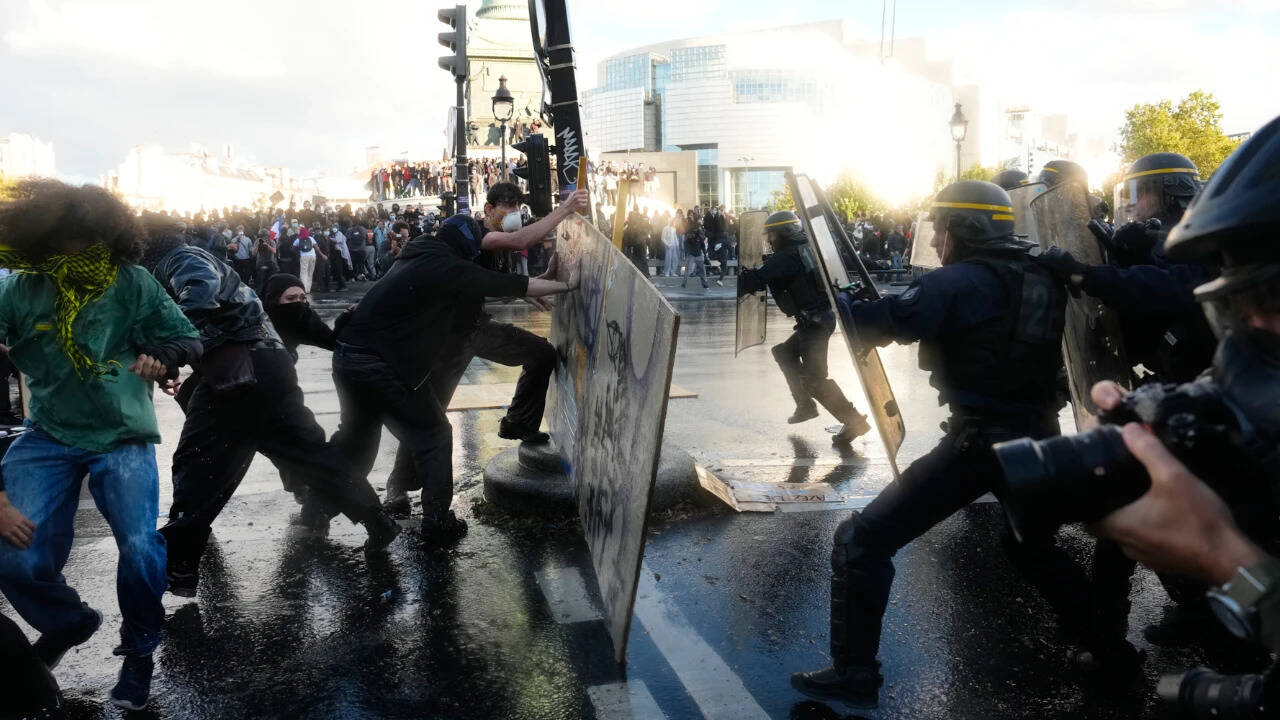
Tear gas fills the air around the Hélène Boucher high school in northeastern Paris. Rubbish bins burn on the asphalt. Students lock down building entrances with their own desks and chairs while riot police form tight cordons down the street. It is messy, loud, and escalating fast.
If you think this is just another brief campus flare-up, you're missing the bigger picture. Over 6,600 people have been arrested across France since late September. Hundreds of schools face full or partial closures. What started as localized anger over leaking ceilings, chronic staff shortages, and broken heating units has morphed into a national flashpoint with serious political consequences.
The Real Grievances Behind the Paris Unrest
You don't barricade a school gate just because you're bored. Students in Paris and beyond are reacting to years of systemic neglect. Walk through many French high schools and universities today, and you'll find peeling paint, faulty plumbing, and classrooms so crowded that kids sit on windowsills.
The spark wasn't ideological. It was practical. Students are tired of freezing in winter and sweating through heatwaves in buildings that haven't seen meaningful renovations in decades. When basic infrastructure fails, patience runs out.
Government officials like Prime Minister Sébastien Lecornu have tried pointing fingers at outside agitators and political opportunists trying to hijack the movement ahead of the April presidential election. While it's true that trade unions and opportunistic political groups have jumped into the fray, reducing the entire movement to a stunt ignores the kids sitting in broken classrooms every single day.
The Heavy Hand of Law Enforcement
When protests grow, the state response sets the tone. Paris police have relied heavily on tear gas, baton charges, and encirclement tactics. Thousands of arrests in a matter of weeks send a chilling message.
Protesters are fighting back with low-tech defense mechanisms. Many students wear surgical masks and heavy hoodies not just to hide their identities from facial recognition tech, but to protect their lungs from chemical irritants. The atmosphere feels increasingly hostile, and young demonstrators are openly questioning the safety protocols of the very institution meant to protect them.
The anger is spreading across borders, too. Neighboring countries are watching French tactics closely and taking notes.
How the French Student Movement Is Inspiring Europe
Unrest rarely stays contained within national borders. Students in Belgium and Italy are already borrowing slogans and tactics from French protesters.
In Liège, authorities panicked and banned public gatherings after violent clashes involving water cannons and tear gas. In Turin and Rome, Italian students occupied high school buildings and marched through city centers under banners explicitly invoking the French demonstrations.
When youth movements gain momentum across multiple European capitals, it usually points to a shared economic squeeze. Stretched education budgets, soaring living costs, and declining public services are not unique to France. Young Europeans feel cornered, and they are refusing to stay quiet about it.
What Comes Next for the French Government
The upcoming presidential election in April adds immense pressure to an already volatile situation. Prime Minister Lecornu and his administration are walking a tightrope. Crack down too hard, and they risk fueling public sympathy for the students. Give in too easily, and they look weak in front of voters who demand law and order.
Students like Sofia Ferdials and Emma Khelil have made it clear that autumn and winter will bring more demonstrations if fundamental changes don't happen. They aren't backing down.
Watch the streets of Paris closely over the coming weeks. This crisis isn't going away on its own.