Justice often moves slowly, but decades later, it still catches up. In November 2026, the Paris assize court opened the trial of Madjaliwa Safari, a former Rwandan merchant facing charges of genocide and crimes against humanity linked to the 1994 massacres against the Tutsi. For weeks, courtroom proceedings have put the brutal mechanics of the Rwandan genocide under a microscope, focusing heavily on the notorious roadblocks used to trap and slaughter victims.
If you are wondering why a trial happening in France in late 2026 holds weight globally, you have to look at how international accountability works. Safari lived quietly near Tours for years, running a local shop and even holding refugee status granted in 2017. His arrest in July 2023 and subsequent trial show that European courts are increasingly closing doors for individuals accused of participating in mass atrocities, regardless of how deeply they managed to integrate into foreign communities.
The Mechanics of Terror at the Barrières
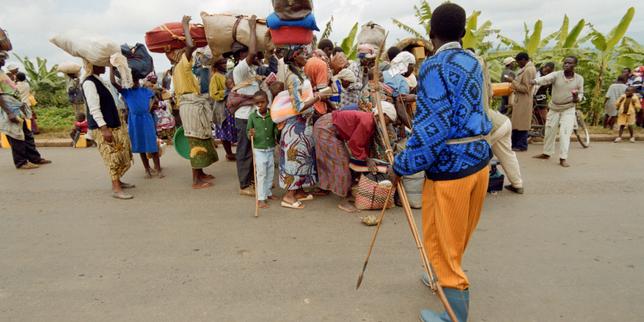
The charges against Safari center on his alleged active participation in killings in the former southern provinces of Rwanda, particularly around Gitarama and Butare. During the spring of 1994, local infrastructure was weaponized. The barrières—roadblocks manned by militias, soldiers, and local civilians—acted as filtering checkpoints where identity cards were checked to single out Tutsis for execution.
Prosecutors argue that Safari wasn't just a passive bystander caught in the chaos. They maintain he played an active role in hunting down and eliminating civilians. Meanwhile, Safari's defense rests on a completely different narrative. He claims he was occupied caring for his injured father during those dark months and couldn't move freely, denying any direct involvement in the carnage.
Universal Jurisdiction in Action
France has steadily built a specialized judicial track for handling crimes against humanity, war crimes, and genocide through its dedicated war crimes unit at the Paris judicial court (PNAT). Cases like this rely heavily on universal jurisdiction. When domestic justice systems in the immediate aftermath of a conflict are overwhelmed or unable to reach suspects who have fled abroad, foreign courts step in.
This trial follows a long line of legal battles spearheaded by organizations like the Collectif des parties civiles pour le Rwanda (CPCR), founded by Alain and Dafroza Gauthier, which has tirelessly documented suspects living on French soil. Holding these trials decades after the fact isn't easy. Witnesses age, memories fade, and documentary evidence can be difficult to authenticate. Yet, legal experts argue these proceedings are vital to establishing a permanent historical record and denying safe havens to perpetrators.
As the court weighs the testimonies of survivors and examines the evidence from Nyanza and surrounding regions, the verdict will ripple far beyond the walls of the Paris courtroom. It reinforces the principle that borders do not erase accountability for mass slaughter.
Take a close look at how international judicial cooperation continues to evolve. If you want to dive deeper into how universal jurisdiction functions across European courts, check out ongoing reports from human rights monitors tracking accountability for the 1994 genocide.