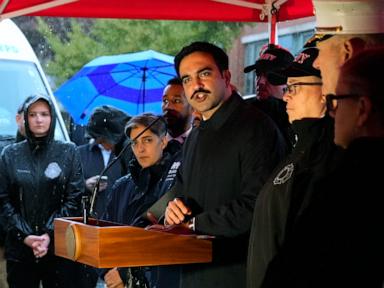
Pat Cummins isn't losing his Test captaincy over the latest sandpaper fallout, and honestly, Cricket Australia's decision makes more sense politically than emotionally. Eight-and-a-half years after Cape Town, the 2018 ball-tampering scandal has blown up again, pulling Usman Khawaja, Cameron Bancroft, David Warner, and former coach Darren Lehmann back into a messy public argument. Yet despite calls from critics and rival voices for heads to roll, Cricket Australia chief executive Todd Greenberg has backed Cummins and ruled out reopening a formal investigation.
If you're looking for a clean courtroom verdict here, you won't find one. What we're watching is a clash of competing memories, bruised loyalty, and institutional self-preservation.
How the 2018 Sandpaper Row Came Roaring Back
For a while, it looked like the worst of the 2018 South Africa tour was buried under silverware and rebuilt standards. Then Usman Khawaja's autobiography, Sabr, reignited the fire this month by claiming that "all of us" on that tour bore blame around ball-tampering. Cummins responded with a marathon press conference—lasting roughly 68 to 70 minutes—where he flatly rejected claims that he knew sandpaper was going out onto the field or that he acted as an architect of an illegal scheme.
Things escalated fast after that media session. Bancroft broke his own long silence in a written statement, contradicting Cummins' denial and saying it wasn't just Steve Smith, David Warner, and himself who knew about sandpaper being used in South Africa—claiming instead that "it was the whole team" and describing feedback conversations with fast bowlers including Cummins, Mitchell Starc, Josh Hazlewood, and Mitchell Marsh. Bancroft also wrote that Cummins' press conference left him feeling betrayed and alone, while Warner and Khawaja publicly rallied behind Bancroft.
Meanwhile, Cummins' manager Neil Maxwell pushed back on the backlash, insisting Cummins has stayed consistent for eight years, pointed readers back to the transcript of his press conference, and argued that Cummins spent eight years rebuilding the Australian Test side after Cape Town.
Why "Knowing" Means Different Things in the Dressing Room
Watching this unfold, I think a huge part of the confusion comes from people treating "the whole team knew" as a single, simple fact. In high-level cricket—especially in a dressing room with an "ugly" or hyper-competitive edge, as Cummins himself acknowledged about the era's on-field behavior—awareness rarely looks like a formal vote around a table.
One player might hear talk about reverse swing or notice a ball behaving oddly and assume it's part of a gray area. Another might know a specific tool or method was used. Someone else might only piece it together later. That doesn't excuse dishonesty or bad culture, and Bancroft's account of feeling pressured or compromised as a junior player deserves serious attention, not a quick wave-away. Still, there's a big gap between vague dressing-room awareness and proving a coordinated plan that every single squad member signed off on.
Why Cricket Australia Is Backing Pat Cummins Now
From Cricket Australia's perspective, sacking the Test captain over conflicting eight-year-old recollections would create far bigger problems than it solves. CEO Todd Greenberg has framed the board's response around an independent forum where players can share their versions of events without turning it into a fresh prosecution or re-sanctioning exercise.
Look at the practical reality behind that stance:
- No fresh physical evidence: Eight years later, the board is dealing with competing memoirs, interviews, and statements rather than new proof that wasn't available in 2018.
- Leadership continuity: Stripping Cummins of the captaincy over an allegation he has denied since day one would destabilize the Test squad right in the middle of a busy international calendar.
- Institutional fatigue: Cricket Australia already handed down heavy bans in 2018—twelve months for Smith and Warner, nine months for Bancroft—and reopening disciplinary hearings now would trap the game in endless litigation and recrimination.
That doesn't mean everyone agrees with the board. Critics like former England captain Nasser Hussain have pointed to the sharp tension in Cummins' wording during his press conference, and commentators like Geoff Lemon have argued that public shame and loss of trust matter even when formal punishments are off the table. You can respect Cummins' steadying influence on Australian cricket while still feeling uneasy about how raw these wounds remain.
What Happens Next for Players and Fans
If you're following this story closely, don't expect a neat plot twist where everyone suddenly agrees on every detail. Watch how Cricket Australia sets the terms of reference for its independent forum and see whether other squad members or coaches—such as Darren Lehmann, who noted he needed time to read through and process the allegations—add further context.
If you want to judge the debate fairly yourself, read the full public statements from Bancroft and Cummins side by side rather than relying on short social media clips. Pay close attention to where their accounts directly collide and where they're simply emphasizing different parts of a painful memory. Most of all, keep your eye on the cricket on the field—because unless new evidence forces Cricket Australia's hand, Pat Cummins is staying in charge.