:max_bytes(150000):strip_icc()/battle-of-saratoga-large-56a61b2d3df78cf7728b5ddd.jpg)
We've watched the flashpoints in West Asia flare up and burn out for decades, but the latest diplomatic shifts feel different. When strikes halt and doors crack open for talks, the immediate reaction is usually cautious relief. But beneath the surface, the real story is about leverage, strategic exhaustion, and how shifting leadership in Washington alters calculations from Tehran to Tel Aviv.
You need to look past the breaking news banners. Pausing hostilities isn't the same as making peace. It's a tactical repositioning. You might also find this connected article interesting: Why The Pojk Elections Are Triggering Massive Backlash And Security Clampdowns.
The Reality Behind the Pause
Iran hitting the brakes on military actions while diplomatic channels get a sliver of space isn't an act of charity. It's survival math. Economic pressures, internal strain, and the hard reality of modern defense systems mean prolonged escalations hurt everyone involved.
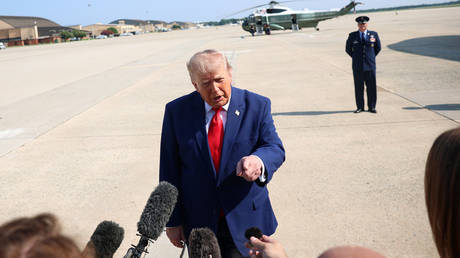
Donald Trump stepping back into the political spotlight with a push toward negotiation changes the dynamic entirely. Tehran knows his administration operates on transactional pressure—combining maximum economic squeeze with sudden, high-stakes offers to cut a deal. By slowing down the kinetic response, regional players are buying time to figure out what the next White House playbook actually looks like. As reported in recent coverage by Reuters, the effects are worth noting.
Why This Moment Differs from Past Ceasefires
Usually, a temporary lull in West Asian conflicts is just a loading screen for the next round of violence. This time, the exhaustion is mutual.
- Supply chains are fractured.
- Regional economies are desperate for stability to attract foreign investment.
- Military stockpiles of precision munitions are running leaner than public briefings admit.
When leaders talk about giving space to talks, they're usually signaling that the cost-benefit analysis of total confrontation has tilted too high. Iran's decision to pause active strikes reflects an awareness that stretching resources too thin invites a disproportionate counter-response.
What the Headlines Miss
Most news outlets treat each flare-up as an isolated event. They focus on the explosions, the casualty counts, and the angry speeches. They rarely look at the backroom logistics.
Diplomacy in this region runs on intermediaries. Oman, Qatar, and Iraq have been working overtime behind closed doors to keep the communication lines warm. When a superpower signals a preference for talks over endless escalation, these regional mediators suddenly gain actual authority. They aren't just passing messages anymore; they're drafting frameworks.
The Fragility of the Current Calm
Don't mistake a tactical pause for a permanent settlement. The core disputes haven't vanished. Proxy networks are still active, territorial claims remain absolute, and deep-seated mistrust isn't erased by a single diplomatic overture.
If you're trying to make sense of where global markets or regional security are heading, watch the verification steps, not the press releases. Look at whether sanctions are easing, whether maritime traffic through critical chokepoints normalizes, and whether backchannel negotiators stay at the table when the first minor provocation happens.
Peace in West Asia isn't built on sudden epiphanies. It's built when everyone runs out of better options. Keep your eyes on the quiet rooms where the real bargaining happens, because that is where the future of the region is actually being decided right now.