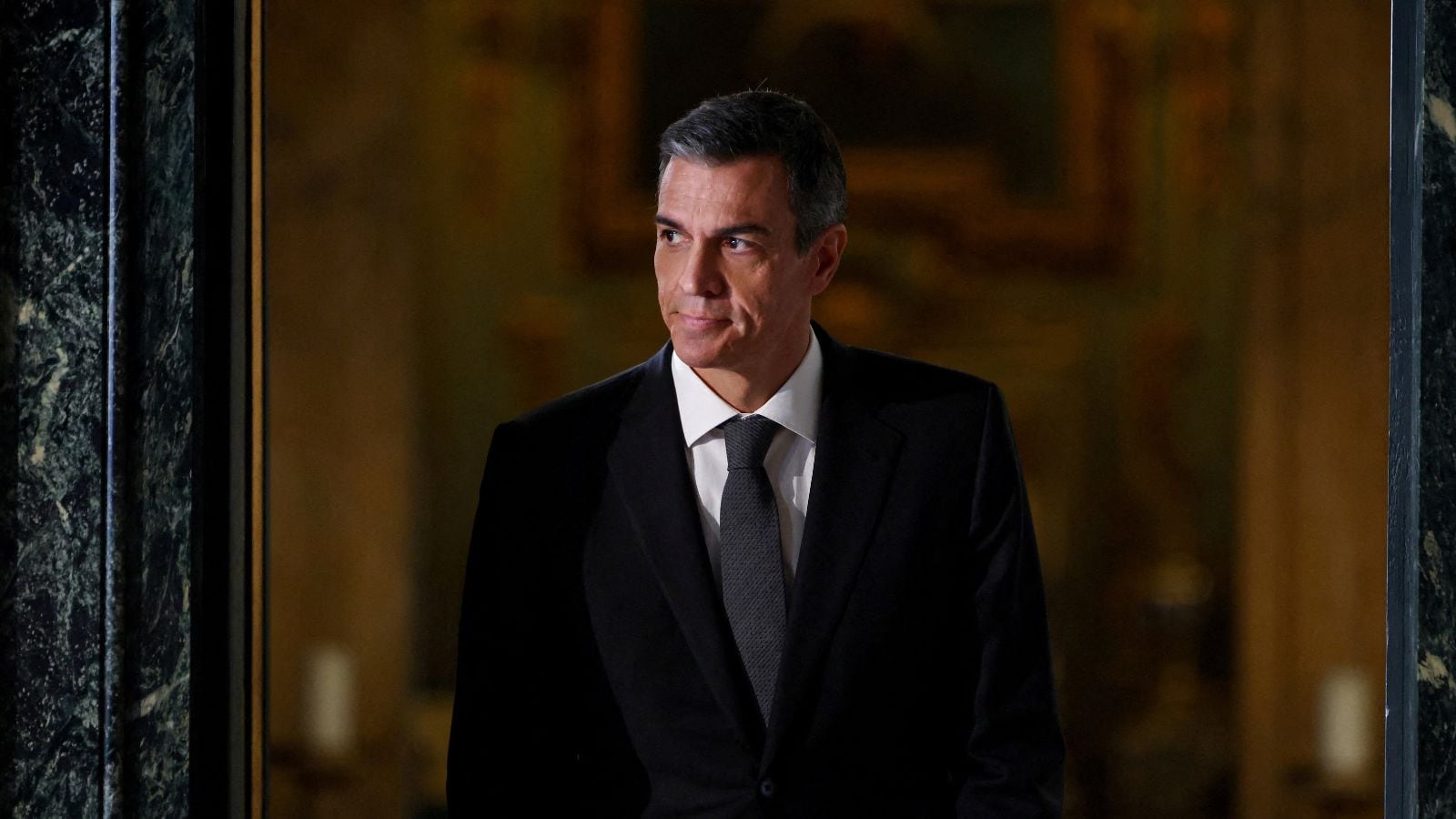
When tens of thousands of angry citizens flood the streets of Madrid and Barcelona because they can no longer afford rent, politicians pay attention. Or, in the case of Spanish Prime Minister Pedro Sanchez, they hit the reset button entirely.
Sanchez announced a snap general election for November 29, 2026. This move comes hot on the heels of a massive parliamentary defeat. Lawmakers rejected his minority government's emergency housing relief decrees, sparking intense public fury. Rather than limping along with a paralyzed legislature, Sanchez decided to roll the dice at the ballot box. Learn more on a similar issue: this related article.
If you are wondering why rent prices and housing affordability have suddenly become the epicenter of Spanish politics, you need to look at the breaking point citizens reached this autumn.
The Boiling Point of Spain's Housing Crisis
Spain's economy is technically outperforming many of its European neighbors on paper. But daily life tells a completely different story for ordinary workers. Rent prices have skyrocketed out of control, fueled by speculative investment funds, short-term tourist rentals, and a severe lack of social housing. Further analysis by NPR highlights comparable views on this issue.
The immediate catalyst for the current explosion of anger was hard to ignore. When an 87-year-old tenant named Maricarmen Abascal faced an eviction after a staggering 230 percent rent hike demanded by an investment fund, it struck a nerve nationwide. Tent cities popped up in the heart of Madrid. Protesters occupied public squares. The message was loud and clear. People felt abandoned by the system.
In response, Sanchez's leftist coalition introduced emergency decrees. These measures aimed to restrict evictions for vulnerable tenants and force automatic renewals on expiring rental contracts. It sounded proactive, but politics in Madrid is rarely that simple.
Why the Emergency Housing Decrees Collapsed
Passing legislation without a stable majority is a nightmare. Sanchez relies on a fragmented patchwork of regional and separatist allies to keep his government afloat.
When the housing decrees hit the floor of parliament, they crashed and burned. The Catalan separatist party Junts voted against the bills, arguing they lacked sufficient regulatory teeth. Meanwhile, right-wing opposition parties like the Popular Party (PP) and Vox opposed them from the opposite direction.
Parliamentary gridlock left Sanchez with two bad choices. He could watch his authority bleed out slowly over the next year while pressure mounted, or he could force a confrontation. He chose the confrontation. By scheduling a snap election for November 29, he is betting that voters will hand him a stronger mandate to bypass stubborn roadblocks.
The Political Gamble: Can Sanchez Pull It Off?
Elections are never won on momentum alone, and Sanchez faces a steep uphill battle. Recent opinion polls show the conservative Popular Party running ahead of the ruling Socialists. Opposition leaders like Alberto Núñez Feijóo are framing the upcoming vote as a referendum on Sanchez's tenure, calling it a chance to finally turn the page.
Sanchez, however, is a seasoned political survivor. He has stared down political death multiple times before and managed to bounce back. In his televised announcement, he framed the vote as a stark choice. He wants voters to decide whether Spain keeps moving forward with progressive reforms or risks falling backward under a conservative and far-right coalition.
He also broadened the narrative. Sanchez tied the housing crisis to a wider global backdrop of climate disruption, political tension, and the economic uncertainties sparked by rapid advances in artificial intelligence. Whether voters will look past their monthly rent bills to buy that grand vision remains to be seen.
What Happens Next on the Road to November 29
The campaign calendar is brutally short. Parties have mere weeks to mobilize their bases, debate housing solutions, and convince disillusioned voters.
If you live in Spain or follow European politics, expect the next few weeks to be loud, chaotic, and fiercely contested. The housing crisis isn't going away just because parliament dissolved. Landlords, tenants, and investors are all holding their breath to see which political bloc takes control of the legislature.
Sanchez wanted a fight on his own terms. Now he has it. The ballot box on November 29 will decide if that gamble saves his career or ends it.
:max_bytes(150000):strip_icc():focal(599x0:601x2)/sydney-sweeney-emmys-2025-5feae831f782414085c56ff6c1efc704.jpg)