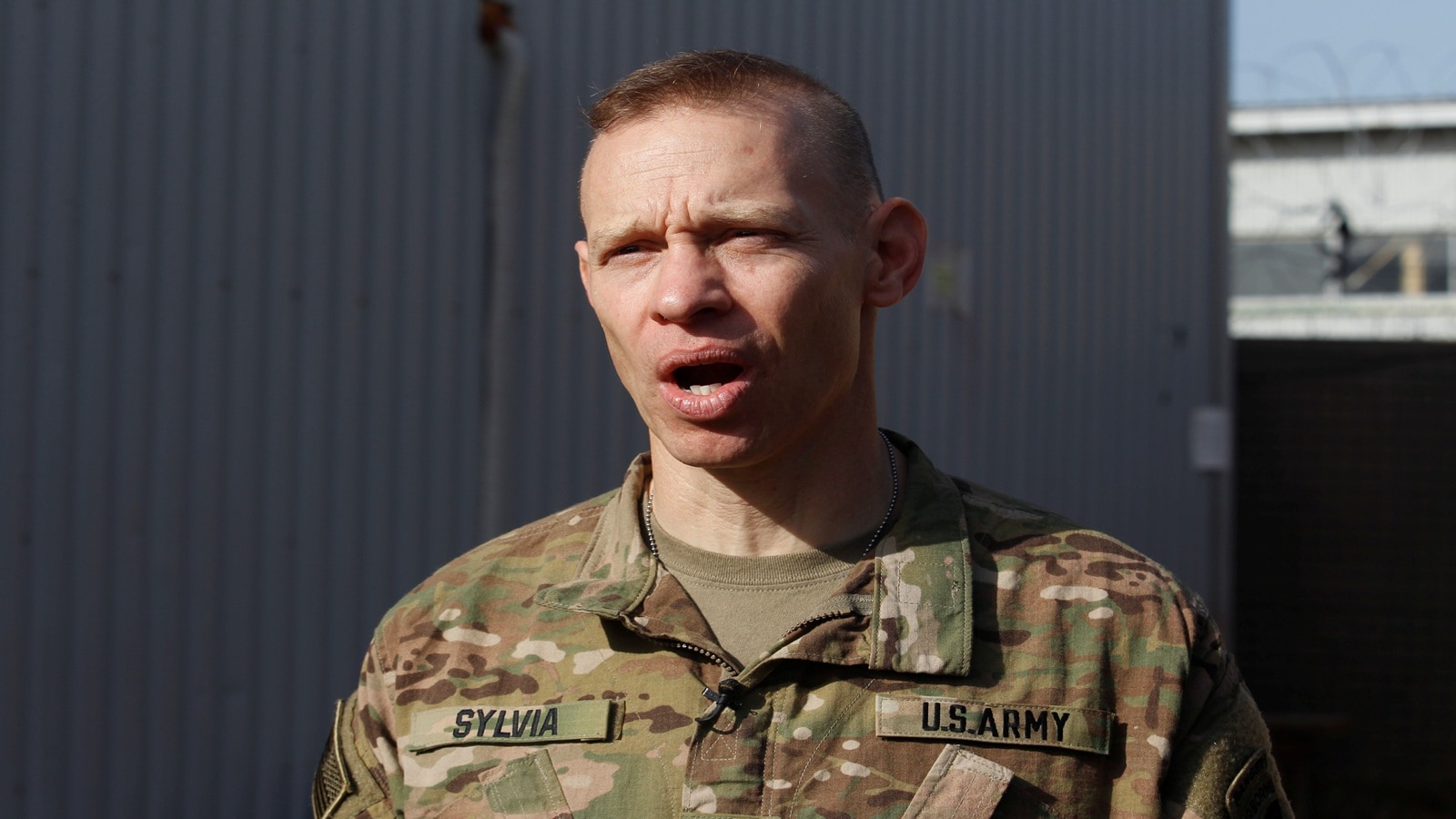
Defense Secretary Pete Hegseth didn't waste time when intelligence pointed to the very top of the military's strategic planning division. Army Lieutenant General Brett Sylvia, the director of Strategy, Plans and Policy on the Joint Staff (known as the J5), was abruptly stripped of his post following an extensive investigation into classified leaks. When high-ranking officers entrusted with sensitive war plans start sharing details with reporters, the fallout hits hard and fast.
This dramatic dismissal marks one of the most severe internal accountability actions within the Department of Defense in recent memory. If you have been tracking how Washington manages sensitive military intelligence, this high-stakes firing signals a massive shift in how the Pentagon handles information security.
Inside the Investigation That Took Down a Three-Star General
The case against Sylvia didn't materialize overnight. A dedicated Pentagon task force, backed by Air Force Office of Special Investigations (OSI) protocols, zeroed in on unauthorized disclosures regarding ongoing military strategies, notably involving Iran and Ukraine.
Investigators utilized polygraph examinations to track down the source of persistent media leaks. According to senior defense officials speaking anonymously, Sylvia reportedly failed multiple polygraph tests regarding the dissemination of classified briefing materials. The pressure mounted as information regarding sensitive combat planning kept appearing in mainstream media reports, forcing leadership to take drastic measures.
Pentagon spokesperson Sean Parnell issued a blunt warning following the action, stating that classified information is not personal property and leaking it for professional or political gain constitutes a profound breach of trust. The matter has already been handed over to the Justice Department for potential criminal proceedings.
The Broader Crackdown on Information Security
Sylvia's removal is far from an isolated incident. It highlights a much wider campaign inside the Defense Department aimed at plugging leaks as high-intensity conflicts and strategic tensions continue to strain military readiness.
When trusted generals cross the line, the military structure responds with zero tolerance. This crackdown involves stricter media policies, sweeping internal security reviews, and heightened surveillance of top officials who maintain direct access to sensitive war room communications.
Critics and defense analysts are divided on the long-term impact of these aggressive measures. On one hand, maintaining operational security is vital when troops are deployed and geopolitical stakes are extraordinarily high. On the other hand, the aggressive hunt for leakers has created a tense atmosphere inside the beltway, where career military officers feel under constant suspicion.
What Happens Next for Joint Staff Leadership
With Sylvia out of the picture, the J5 directorate faces a sudden leadership vacuum. Managing long-term strategic plans requires steady hands, and losing the lead planner in the middle of active strategic coordination forces the Pentagon to scramble for replacements. Vice Director Maj. Gen. Mark H. Slocum has stepped in temporarily, but a permanent successor must navigate a deeply fractured internal climate.
Accountability at the top sets a clear tone for the entire armed forces. Officers at every rank are now on notice that credentials and decades of decorated service won't shield anyone from the legal consequences of compromising national security secrets.