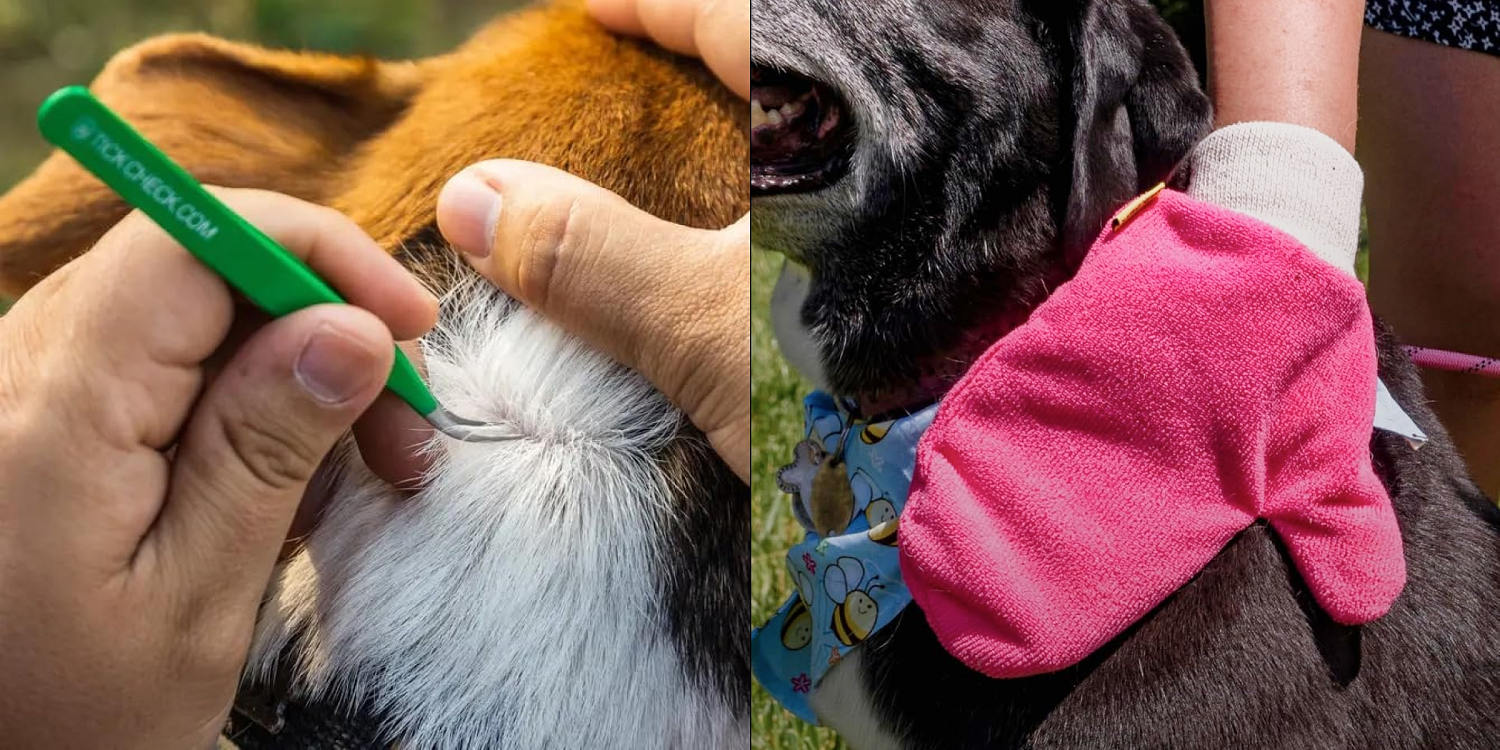
You’ve just returned from a hike, and you’re doing the standard post-trail pat-down. Your fingers brush over a small, firm bump tucked near your dog’s ear. Your stomach drops. It’s a tick.
Most owners treat tick season like a seasonal inconvenience. They wait until the weather warms up, grab a cheap collar from the grocery store aisle, and hope for the best. That’s a dangerous game. Ticks are resilient, they aren't just in the woods anymore, and they don't care about your calendar. If you aren't proactive, you’re essentially leaving your dog’s health to chance.
Why Your Current Strategy Might Be Failing
I’ve pulled more ticks off my own dogs than I care to count. I’ve dealt with the panic of finding an embedded nymph and the frustration of realizing a "repellent" collar didn't do much of anything. The biggest mistake I see? People rely on one method and ignore everything else.
True protection is about stacking your defenses. It’s not just about one magic pill or a single spray. It’s a combination of chemistry, physical barriers, and constant vigilance. If you’re relying solely on a supermarket collar, you’re missing the point.
The Chemistry of Defense
Veterinary-grade preventatives have changed significantly, but many owners are still using outdated methods. Talk to your vet about oral preventatives like isoxazolines. These are internal medications that kill fleas and ticks once they bite.
Why choose these over topicals? They don't wash off. If your dog loves the water or needs a bath, a topical treatment might lose its effectiveness sooner than the label suggests. Oral meds provide a steady baseline of protection that stays in your dog's system regardless of their swimming habits.
Don't ignore the importance of prescription strength. Over-the-counter options often lack the specific active ingredients needed to combat the local tick populations in your area. Your vet knows which species are thriving in your county—use that information.
The Physical Inspection Routine
You can't outsource this. Even with the best pill, ticks can still hitch a ride into your home. They don’t just fall off; they crawl, they hide, and they wait.
When you get home, don't just give a quick scratch behind the ears. Get methodical. Ticks love warm, dark places. I check these specific zones every single time:
- Between the toes: These are prime real estate for ticks. Don't forget to spread the fur and look deep.
- The armpits and groin: These spots stay warm and protected from your dog's own grooming.
- Inside the ear flaps: Ticks are masters at hiding in the nooks and crannies of the ear leather.
- Under the collar: Take the collar off during your inspection. Ticks love to congregate right where the fabric meets the skin.
If your dog has a dense double coat, your hands won't be enough. Use a fine-toothed metal flea comb. It’s not about finding fleas; it’s about snagging those tiny deer ticks that your fingers would otherwise skip over.
What to Do When You Find a Hitchhiker
Panic is your enemy. You found one—now stay calm. You don't need a match, you don't need petroleum jelly, and you definitely don't need to burn it off. Those old wives' tales increase the risk of the tick regurgitating its stomach contents into your dog, which is exactly how diseases like Lyme or Anaplasmosis get transmitted.
Grab a pair of fine-tipped tweezers or a dedicated tick removal tool. Position the tool as close to the dog’s skin as possible—right at the head of the tick. Pull upward with steady, even pressure. Do not twist. If the mouthparts stay in the skin, don't go digging for them. Clean the area with antiseptic and let the skin heal. Your dog's body will eventually expel the fragment.
Debunking the Seasonality Myth
I hear people say they stop preventatives in November. That is a massive error. Ticks remain active as long as the ground isn't frozen solid. In many regions, this means you need protection year-round.
Check the Companion Animal Parasite Council maps. These aren't just suggestions; they are data-driven insights into where parasites are moving. If the map shows activity in your region, your dog needs to be covered. It's really that simple.
Practical Next Steps
Stop relying on luck and start building your barrier. Here is your action plan:
- Call your vet tomorrow. Ask for a recommendation for an oral preventative based on your dog's specific weight, age, and health history. Skip the grocery store aisle.
- Buy a high-quality, fine-tipped removal tool. Keep it in your car or by the door. If you don't have the tool when you need it, you won't use it.
- Change your post-walk ritual. Make the physical inspection a non-negotiable part of coming inside. Ten minutes of searching is better than a month of treating a tick-borne illness.
- Clean your environment. If you have a yard, keep the grass cut short. Ticks wait at the tips of tall grass for a host to brush by. A manicured lawn is a much less hospitable environment for them.
You’re the first line of defense for your dog. They can’t check themselves, and they certainly can’t tell you when they’re feeling off. Stay consistent, stay skeptical of "quick fixes," and prioritize the methods backed by real veterinary medicine.