You probably think your favorite snack is safe if the company says it tested negative for bacteria. It makes sense on paper. If a laboratory runs a sample and finds nothing, you should be able to eat your food without worrying about spending the next week in a hospital bed.
But a massive potato chip recall sweeping across the United States shows exactly why that logic is dangerous.
The Food and Drug Administration just escalated a voluntary recall from Utz Quality Foods to a Class I warning. This is the highest and most severe level of alert the agency issues. We are talking about more than 600,000 bags of popular regional potato chips. Specifically, the crisp, seasoned varieties from Zapp’s and Dirty brand potato chips. They might be sitting in your pantry right now, contaminated with Salmonella.
The most alarming part of this situation is that the seasoning batches actually tested negative before Utz used them. Yet, the government is telling you that eating them could cause serious health issues or death.
This isn't a minor glitch. It is a harsh look at how fragile our food supply chain really is and why a negative lab test doesn't always guarantee safety.
The Illusion of Negative Lab Results
When Utz first pulled these chips from shelves, it looked like standard corporate caution. The company found out that an outside supplier used dry milk powder from California Dairies, Inc., which faced its own Salmonella problems. Utz checked its finished seasoning batches. The tests came back clean. No Salmonella was detected.
Most people assume that a clean lab report means the green light. That is a massive misconception.
Testing for foodborne pathogens is a game of probability. Contamination in dry ingredients like milk powder or spice blends rarely distributes evenly. It clusters. A lab technician can grab a sample from one side of a massive container and find absolutely nothing, while a concentrated pocket of bacteria sits untouched just two feet away.
That is exactly why the FDA stepped in to upgrade this situation to a Class I recall. When the agency uses that classification, it means there is a reasonable probability that exposure to the product will cause severe health consequences. The government doesn't care if the initial tests looked fine. The risk profile of the source material was compromised, and that means every single bag produced in that window is treated as a active threat.
The Logistics of 600,000 Contaminated Bags
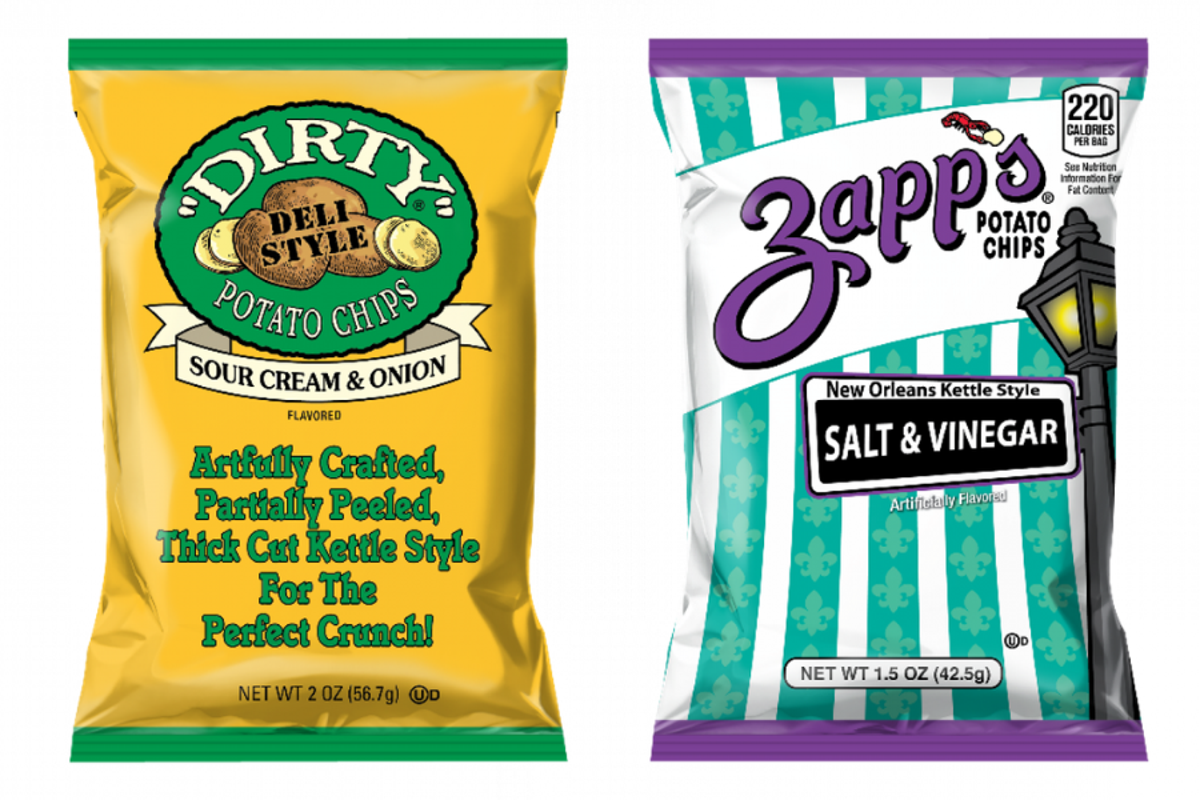
The sheer scale of this recall is staggering. We are looking at 614,224 individual bags distributed across retail stores nationwide. If you buy your snacks at gas stations, grocery stores, or sandwich shops, you have likely run across these brands. Zapp's is famous for its New Orleans kettle-style crunch, and Dirty chips are a staple in deli lunch specials.
The breakdown of affected products shows how deeply a single bad ingredient can penetrate a product line. The recall covers six specific flavor profiles across different bag sizes.
The specific breakdown includes a massive run of Dirty Salt and Vinegar potato chips, totaling 300,595 bags. Zapp's Bayou Blackened Ranch varieties are hit heavily too, with 179,837 bags of standard potato chips and another 164,640 bags of the kettle chip version pulled. The rest of the recall list hits Dirty Sour Cream and Onion, Zapp's Big Cheezy, and a smaller run of Dirty Maui Onion chips.
Every single one of these flavors relies on complex, powdered seasoning formulations. The common denominator among them is the dry milk powder used to give ranch, cheese, and sour cream flavors their rich texture. When a massive dairy cooperative suffers a system breakdown, the ripples hit dozens of independent snack brands almost instantly.
The Reality of Salmonella Poisoning
People often dismiss Salmonella as a bad case of stomach flu. They think they will spend a miserable weekend near a toilet and bounce right back. For a healthy young adult, that might be true. But for millions of Americans, it is a roll of the dice with severe medical intervention.
The bacteria attack the intestinal tract. Within hours or a few days of eating contaminated food, the symptoms hit like a freight train. You get hit with intense abdominal cramps, sudden fever, nausea, vomiting, and severe diarrhea that can easily become bloody.
The real danger comes from dehydration and systemic infection. If you can't keep fluids down, your body crashes quickly. For elderly individuals, young children, and anyone with a compromised immune system, Salmonella is fully capable of migrating from the gut into the bloodstream. Once it gets into your blood, it can cause arterial infections, endocarditis, or severe, chronic arthritis.
To date, no illnesses have been reported from this specific chip recall. That is a massive stroke of luck, not a sign that the danger is overblown. The best-by dates on these bags stretch from late July all the way through August 31, 2026. Because potato chips have a long shelf life, hundreds of thousands of these bags are sitting quietly in home pantries, waiting to be opened weeks from now.
Why Seasoning Is the Weakest Link in Food Safety
When you think of food poisoning, you probably think of raw chicken, warm mayonnaise, or unwashed romaine lettuce. You don't think of a dry, salty potato chip. Salt and frying oil are naturally hostile environments for bacteria. The high temperatures of a chip fryer kill off pathogens easily.
The problem isn't the potato. The problem is the seasoning applied after the cooking process.
Once the chips leave the fryer, they move down a conveyor belt to be coated in flavoring powders. These powders are raw, dry agricultural products. Milk powder, onion powder, garlic powder, and spice mixes don't get cooked again. If the facility blending those spices or drying that milk has a moisture leak or a sanitation failure, the bacteria ride along directly onto the chip.
The snack industry relies heavily on third-party flavor houses. A company like Utz designs the flavor profile, but they buy the actual dust from specialized ingredient manufacturers. This creates a dangerous blind spot. A snack brand can have pristine sanitation standards in its own frying facility, but they are entirely at the mercy of the sanitation standards of an ingredient broker three states away.
How to Check Your Pantry Right Now
Do not take a gamble on a bag of chips just because you feel fine or because the bag looks undamaged. If you have bought Zapp's or Dirty brand chips recently, go to your kitchen and look at the packaging.
You need to check three distinct pieces of information on the back of the bag: the flavor, the Best By date, and the batch code.
The recalled items feature specific markers. Look for Zapp's Bayou Blackened Ranch in 1.5-ounce, 2.5-ounce, or 8-ounce sizes with Best By dates running through August 2026. The Zapp's Salt and Vinegar chips affected are specifically the 1.5-ounce bags found in 60-count multipacks. If you have the Zapp's Big Cheezy in 2.5-ounce or 8-ounce bags with an August 31 date, those are compromised too.
For the Dirty brand, inspect the 2-ounce bags of Salt and Vinegar, Maui Onion, and Sour Cream and Onion. The Best By dates for these items cluster around August 3, August 10, and August 31, 2026.
If your bag matches these descriptions, stop eating them immediately. Do not give them to your kids. Do not throw them in the office breakroom. Safely throw them in an outside trash can where pets or wildlife cannot get to them, or take them back to the retail store for a full refund.
What to Do If You Already Ate Them
If you just realized you finished a bag of the recalled chips yesterday, do not panic, but stay alert. Monitor your body closely for the next 72 hours.
If you start developing a fever, stomach cramps, or diarrhea, contact your doctor right away. Make sure you explicitly tell them that you consumed a food product currently under an active FDA Class I Salmonella recall. This detail is vital because it tells the medical team exactly what to test for, bypassing days of guesswork.
If you are caring for an elderly relative or a toddler who ate these chips, be even more aggressive. Watch for early signs of dehydration like dry mouth, dark urine, or extreme lethargy. Foodborne illness numbers look low only because thousands of cases go unreported every year when people choose to tough it out at home. Do not tough this one out.
You can reach out directly to the Utz Customer Care team at 1-877-423-0149 during regular business hours to claim your refund or clarify batch numbers.
The snack industry will likely see more ripples from this dairy powder contamination before the year ends. For now, check your shelves, clear out the bad batches, and stop trusting a product just because its initial paperwork claimed it was clean.