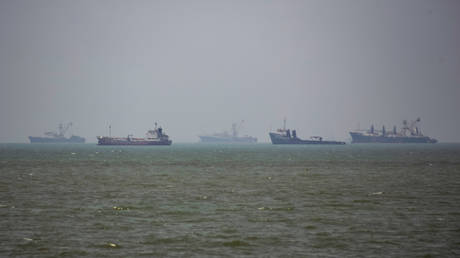
Don't believe the narrative that the US and Iran are just trading empty threats over the world's most critical oil choke point. The latest Axios report reveals a much messier, high-stakes game of chicken playing out behind closed doors. The Trump administration gave Tehran a strict Saturday deadline to publicly declare the Strait of Hormuz open to all commercial shipping and promise to stop hitting tankers. If they don't, US officials are making it clear that a massive military escalation is next on the table.
But if you look past the public posturing, the real story isn't about stubborn defiance. It's about a scramble to save face after a massive blunder. If you liked this article, you might want to read: this related article.
The tension boiled over after a June 17 memorandum of understanding (MoU) fell apart. That short-lived agreement was supposed to manage shipping traffic through the strait, which carries roughly a quarter of the global seaborne liquefied natural gas and oil trade. Instead, things fell apart when Iran allegedly targeted three commercial vessels earlier this week. That prompted Donald Trump to declare the hard-fought ceasefire officially over. CENTCOM retaliated immediately, pounding around 80 Iranian military targets, including dozens of naval attack boats.
Here's the twist most mainstream outlets missed. Behind the fiery rhetoric, Iranian officials quietly approached Trump's advisers with a stunning admission. According to US intelligence sources, they basically said, "We screwed up". Tehran claims an errant, hardline military faction launched the ship attacks to intentionally wreck the diplomacy. For another look on this story, see the recent coverage from NPR.
Why a Private Apology Isn't Enough for Washington
The White House isn't buying the rogue faction excuse. Washington wants absolute public accountability. It's demanding a formal, televised statement from Tehran confirming that every single shipping channel in the strait is toll-free and entirely open to international commerce.
Strait of Hormuz Status Metrics (July 2026)
- Global Oil/LNG Share: ~25%
- Recent US Targets Hit: ~80
- Current Shipping Volume: Down sharply since July 8
The underlying issue is a deep-seated dispute over who actually owns the waterway. Iran's UN envoy, Amir Saeid Iravani, keeps insisting that previous agreements place the exclusive responsibility for maritime management and demining on Tehran's shoulders. They even tried floated the idea of charging transit fees to foreign ships. CENTCOM fired back with a blunt public fact-check, reminding the world that the Strait of Hormuz is an international waterway, and Iran doesn't control a single inch of it.
This clash of egos has sent Brent crude oil prices spiking and tanked commercial ship traffic, especially along the UN-backed Omani shipping routes. Nobody wants to insure a multi-million-dollar tanker when a missile could rip through the hull at any moment.
The Muscat Face-Saving Mission
Right now, Iranian Foreign Minister Abbas Araghchi is heading to Oman to meet with regional mediators. Oman has historically been the neutral ground where Washington and Tehran hammer out quiet deals. This meeting is Iran's last exit ramp before the clock runs out.
The goal of the Omani mediators is simple: find a semantic loophole. They need to draft a public statement where Iran promises to secure the strait without making it look like they completely bent the knee to an American ultimatum.
It's a delicate tightrope walk. Back in Tehran, the powerful Friday Prayer Policy Council is actively calling for military revenge against US interests following recent regional strikes. Meanwhile, Iranian Foreign Ministry spokesman Esmaeil Baghaei is publicly dismissing Trump's claims that Iran begged for a new round of talks, promising reciprocal action if the US pushes too hard.
Your Next Steps to Prep for Supply Chain Shocks
If you operate a business tied to international shipping, manufacturing, or energy logistics, you can't afford to treat this as a distant geopolitical event. The immediate economic fallout is already hitting energy markets.
- Audit your energy exposure. If your operations rely heavily on diesel, aviation fuel, or natural gas, lock in your supply contracts now before another round of military strikes sends prices through the roof.
- Diversify your shipping lanes. Relying on maritime freight that transits anywhere near the Middle East is an extreme risk right now. Work with logistics providers to map out alternative rail, air, or alternative ocean routes, even if they carry a premium.
- Monitor the Oman summit outcomes. Keep a close eye on the joint communiqués coming out of Muscat over the next 24 hours. If the Saturday talks collapse without a public declaration from Tehran, expect immediate naval blockades or renewed airstrikes by Western forces.