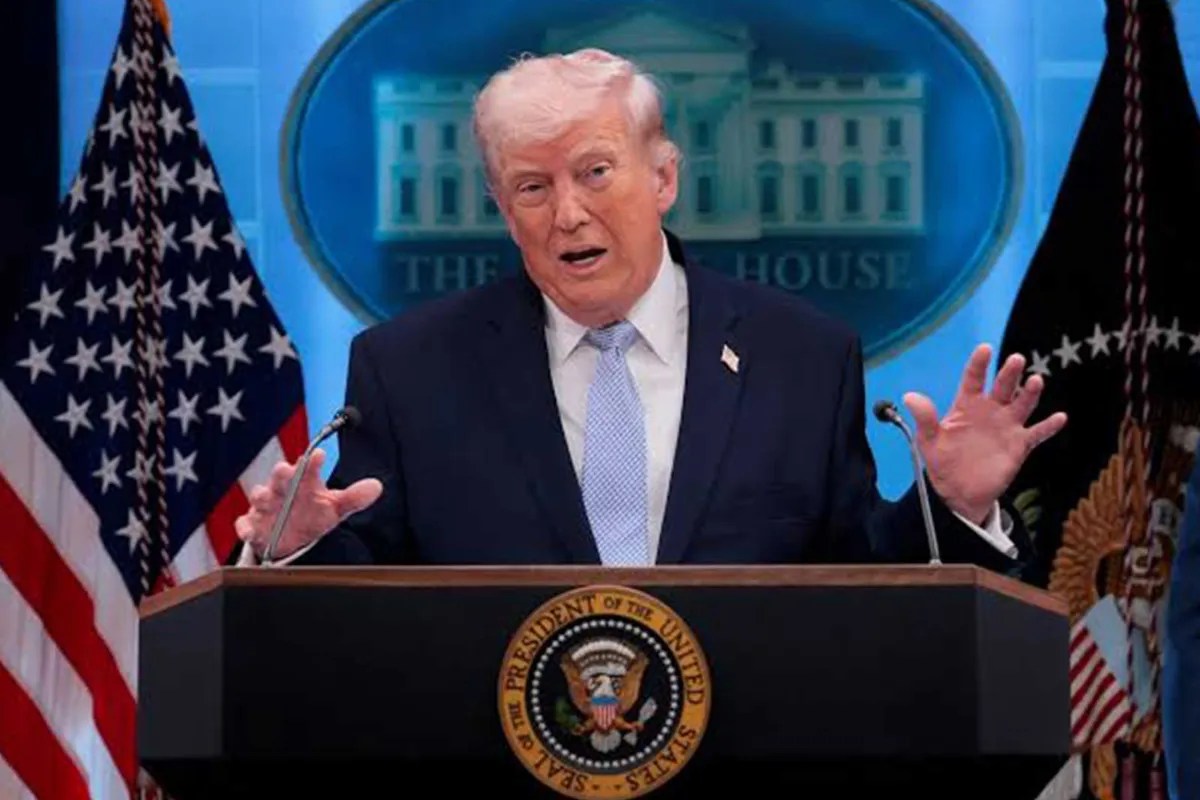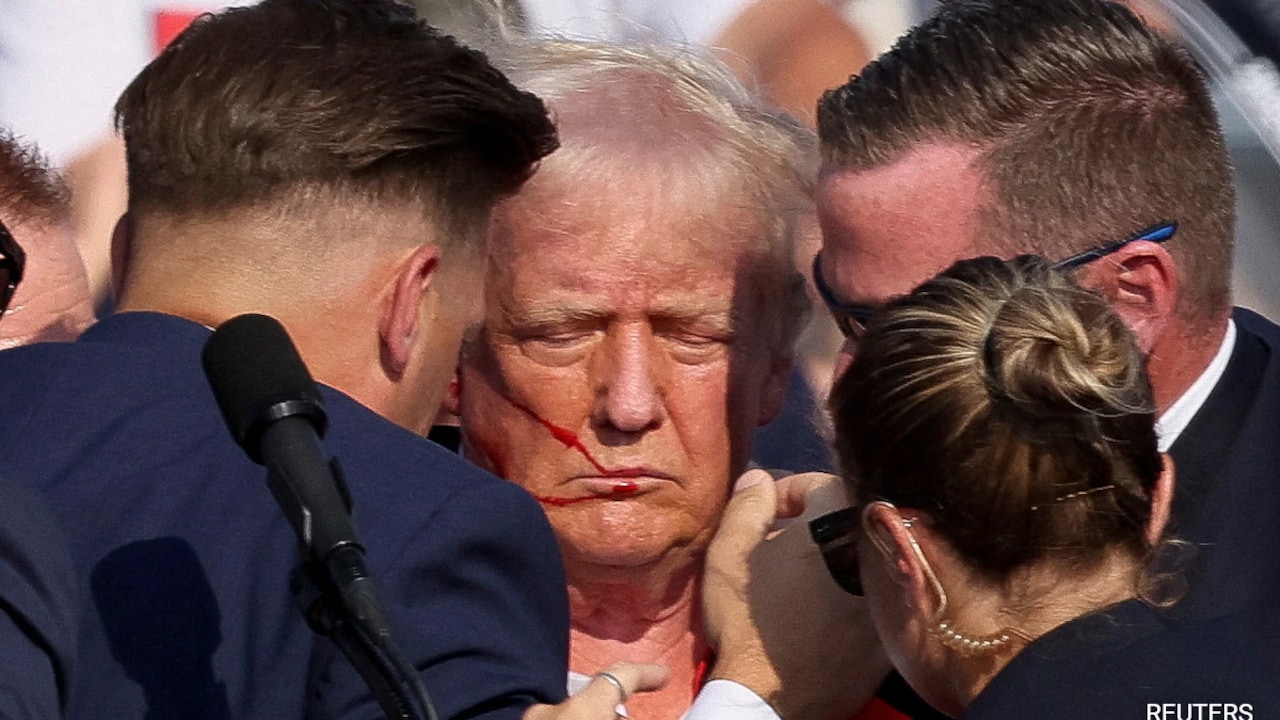
Donald Trump just dropped a massive bombshell at the NATO summit in Ankara, and the mainstream media is completely missing the real story. Speaking to reporters on the sidelines of the summit, Trump made it clear that he believes Tehran wants him dead. He openly stated that he is on every single one of their lists, adding a chilling note that while he has been lucky so far, that luck might not last. He called the Iranian leadership evil and sick, comparing them to a cancer that needs cutting out.
It's easy to dismiss this as classic campaign style rhetoric or typical high stakes political theater. That's a huge mistake. When you look closely at what's happening right now on the ground, his statements aren't just empty warnings. They reflect an incredibly dangerous reality as the fragile ceasefire between Washington and Tehran completely falls apart. You might also find this similar coverage interesting: Why Trump Is Threatening To Pull Out Of Nato Over Greenland And Iran.
The security situation has rapidly deteriorated, and this latest update signals that the brief window for diplomacy is officially shut.
The Reality Behind the Latest Ankara Bombshell
To understand why this matters right now, you have to look at the immediate context of the announcement. This isn't happening in a vacuum. Trump delivered these remarks right after the US Central Command launched a massive wave of overnight strikes against Iranian air defense systems, radar installations, and over 60 small boats operated by the Islamic Revolutionary Guard Corps. As extensively documented in latest reports by NBC News, the results are widespread.
The military action came in direct retaliation for Iranian attacks on commercial vessels moving through the Strait of Hormuz. For a few weeks, people actually believed the June memorandum of understanding might hold. That hope is gone. Trump explicitly declared that the memorandum of understanding with Tehran is over, calling the Iranian leaders liars and cheats.
The immediate fallout was instant. Hours after the US strikes, Iran launched retaliatory drone and missile attacks targeting US linked military installations in Bahrain and Kuwait. Kuwaiti authorities had to scramble to intercept ballistic missiles and over a dozen drones, with falling debris knocking out local power lines. We aren't talking about a cold war anymore. It's an active, volatile conflict where official agreements are being ripped up in real time.
Why the Ceasefire Exploded
The collapse of the June peace framework didn't happen by accident. Washington had temporarily granted a sanctions waiver to let Tehran export some oil, expecting both sides to maintain a 60 day extension of the ceasefire to hammer out final terms. Instead, the US accuses Iran of using that breathing room to launch fresh rocket attacks against commercial shipping.
Trump pointed out that the US even paused operations to allow for funeral ceremonies for the late supreme leader Ali Khamenei, only for Iran to immediately resume targeting ships. From the White House perspective, dealing with Tehran has become a waste of time. The administration has taken a completely uncompromising stance, moving away from negotiation toward total containment.
A Long History of Targeted Threats
When Trump says he is on an active hit list, the legal and intelligence data backs him up completely. This isn't a new development or a sudden burst of paranoia. The animosity dates back heavily to the 2020 targeted strike that killed Qassem Soleimani, the head of the IRGC Quds Force. Ever since that moment, Iranian state actors and proxies have openly vowed revenge against the individuals responsible for the order.
American intelligence agencies have repeatedly briefed Trump on highly specific, credible threats against his life. Federal prosecutors have spent the last few years bringing these covert operations to light in US courts, showing a consistent pattern of state sponsored murder for hire schemes.
The Legal Evidence in American Courts
Look at the actual federal cases if you want proof of how deep this goes. Just a few months ago, a federal court in Brooklyn heard stunning testimony from Asif Merchant, a Pakistani businessman with direct ties to an IRGC intelligence operative. Merchant was caught in an FBI sting operation trying to recruit hit men on American soil.
The details of that plot look like a script from a spy thriller. Merchant was caught on hidden camera using a vape pen on a napkin to demonstrate how to isolate and eliminate his target. During his trial, he openly admitted that his handlers specifically named Donald Trump, Joe Biden, and Nikki Haley as primary targets. He had even researched campaign rally layouts and sketched out plans to use staged protests as a distraction to let the shooters escape.
This matches the criminal charges unsealed by the Justice Department involving Farhad Shakeri, an IRGC asset who confessed to being tasked with creating a detailed plan to surveil and assassinate Trump. Shakeri told investigators he was given a strict seven day deadline by Iranian officials to finalize the assassination plot. When you stack these court records together, it becomes impossible to claim that the threat is exaggerated.
The Massive Misconception Surrounding the Conflict
The biggest mistake the public makes is viewing this purely as a personal feud between Trump and the Iranian regime. It is much larger than that. The targeting of American leadership is part of a broader asymmetrical strategy used by Tehran to project power while dealing with intense domestic instability.
Iran is currently facing massive internal pressure. Economic collapse, rampant inflation, and violent crackdowns on anti establishment protesters have pushed the regime into a corner. Reports indicate that thousands of protesters have been killed inside the country. By focusing on external enemies and executing high profile military provocations in the Strait of Hormuz, the regime tries to divert attention away from its own internal failures.
What the Military Escalation Means for Global Security
With the naval blockade tightening and the US revoking oil export waivers, the economic stakes are hitting a boiling point. The Strait of Hormuz is the world's most critical oil chokepoint. Any prolonged disruption there triggers immediate shockwaves through global energy markets, driving up shipping insurance rates and spiking fuel prices worldwide.
The current strategy from Washington relies on overwhelming military deterrence. Defense Secretary Pete Hegseth has been presenting a wide range of aggressive military options to the White House, particularly regarding Iran's nuclear program. Trump has made his position clear: he isn't actively looking for a massive ground war, but he will choose a strike over allowing Tehran to obtain a functional nuclear weapon.
Actionable Next Steps for Tracking the Crisis
As this conflict rapidly evolves, relying on standard headline tickers won't give you the full picture. If you want to accurately track where this escalation is heading next, focus on these specific operational indicators.
- Watch the insurance risk premiums for commercial maritime shipping in the Persian Gulf. A sudden spike in these rates is the truest indicator of imminent naval conflict.
- Monitor official statements from CENTCOM regarding the status of the Fifth Fleet in Bahrain. Security alerts at these bases tell you exactly how high the immediate missile threat level is.
- Keep track of the domestic energy adjustments and strategic petroleum reserve releases in the US, which will signal how heavily the administration expects the Strait of Hormuz to be restricted.
The diplomatic channels are broken, the ceasefire is dead, and the rhetoric coming out of the NATO summit shows that both sides have dug in for a long, dangerous confrontation. This isn't a situation that's going to calm down anytime soon.