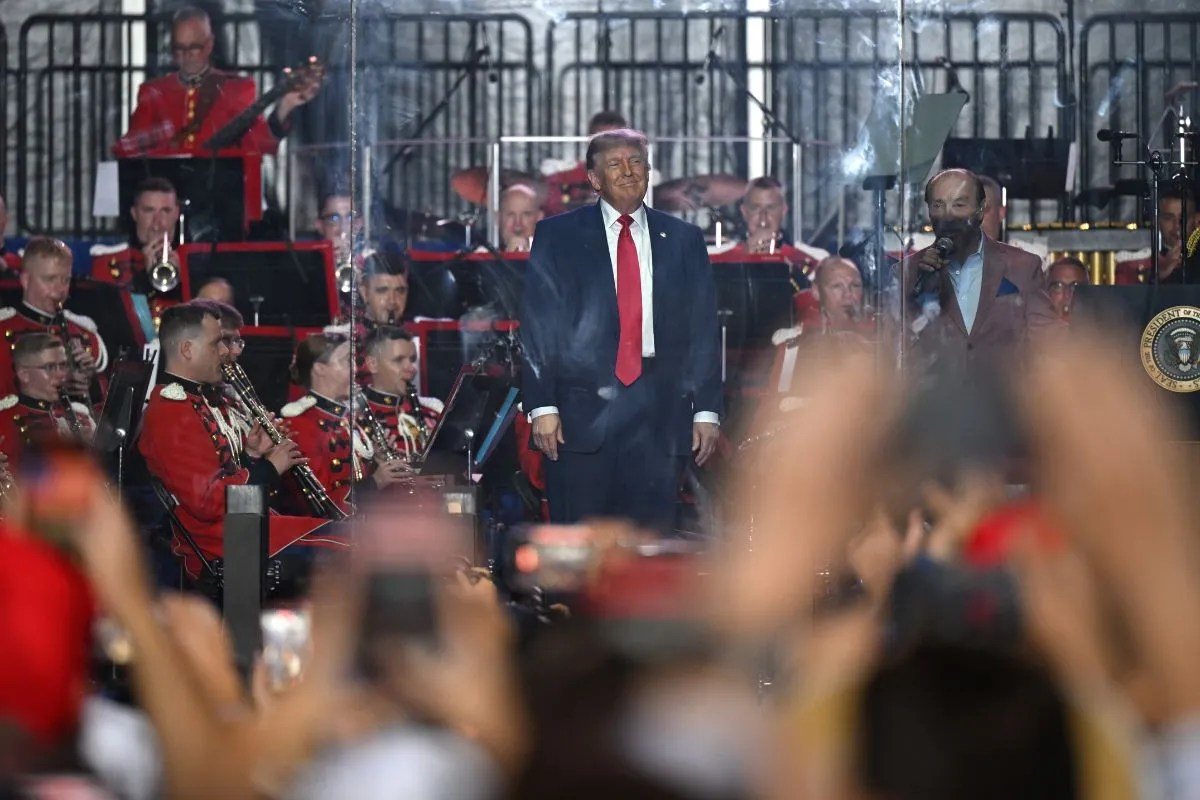
Donald Trump just tore up the political playbook again. By announcing a first-of-its-kind Republican midterm convention in Dallas, he is forcing the entire country to treat a standard congressional election like a presidential race.
Most political analysts are looking at this all wrong. They see it as a simple campaign rally with a bigger budget. It is not. This move is a calculated rewrite of how modern American campaigns operate. It forces every single local candidate to run under Trump’s personal brand, whether they want to or not.
The two-day event will take place on September 9 and September 10 at the American Airlines Center. If you think this is just about giving speeches and playing classic rock music in Texas, you are missing the real plot. This is about survival, power, and a desperate race to hold a razor-thin majority in Congress.
The Real Reason for a September Spectacle
American political parties do not hold national conventions during midterm years. They just don't. Historically, these massive gatherings are saved for presidential years to officially nominate a candidate. Trump is breaking that tradition because the historical math of midterm elections is brutal for the party in power.
The president’s party almost always loses seats during the first midterm cycle. Right now, Republicans hold incredibly slim majorities in both the House and the Senate. Losing just a handful of seats means handing control back to the Democrats.
If Democrats take over, Trump’s legislative agenda stops dead in its tracks. Worse for him, a Democratic majority means endless investigations, subpoenas, and the very real threat of impeachment. Trump openly admitted this to a group of Republicans earlier this year, stating plainly that if they lose the midterms, Democrats will find a reason to impeach him.
The Dallas gathering is designed to counter the biggest problem midterms face: low voter turnout. Without a president at the top of the ballot, millions of casual voters simply stay home. Trump wants to inject presidential-level energy into a race where his name is not actually printed on the ballot. He is trying to create a nationalized referendum on his second term.
Why Dallas is the Epicenter of the Fight
Choosing Texas wasn't an accident. The state has transformed into the absolute center of gravity for the 2026 election cycle.
Look at the Texas Senate race. It features a brutal matchup between Democratic challenger James Talarico and Republican nominee Ken Paxton. Paxton, the state's controversial attorney general, took down longtime incumbent Senator John Cornyn in a fierce primary battle earlier this year, completely backed by Trump.
But Paxton carries heavy political baggage. He has survived an impeachment trial, securities fraud charges, and relentless headlines about his personal life. Washington Republicans are quietly terrified that Paxton's controversies could alienate moderate suburban voters, turning what should be a safe Republican seat into a multi-million-dollar financial drain.
A recent New York Times and Siena College poll shows the Texas Senate race is a literal toss-up. For Democrats, winning Texas is the ultimate dream. For Republicans, losing Texas would be an absolute disaster. By bringing the entire national party apparatus to Dallas, Trump is building a defensive wall around Paxton. He wants to force national conservative donors to flood the state with cash.
The Redistricting Fallout
Texas also matters because of Trump’s aggressive push for mid-decade congressional redistricting. This effort was specifically drawn up to lock in more Republican House seats for this fall. Holding the convention inside the American Airlines Center keeps the media focus directly on these redrawn maps, signaling to local organizers that Texas is the blueprint for national dominance.
How the RNC Altered its Rules Behind Closed Doors
This convention did not just happen overnight. The logistical foundation was quietly built months ago.
During its winter meeting in January, the Republican National Committee voted to officially change its internal rules. Previously, RNC rules were strictly organized around the four-year presidential nominating cycle. Party officials had to formally amend those governance guidelines just to allow a national gathering during an off-year.
The RNC chairman, Joe Gruters, has fully embraced the concept, calling the upcoming event a massive showcase for the party's legislative goals. The party plans to run on a platform of specific economic promises, including policies like eliminating taxes on tips, removing taxes on overtime pay, and protecting social security benefits from taxation.
Trump is also using the platform to boast about foreign policy and energy markets. He has pointed directly to dropping oil prices and his administration's harsh stance on denuclearizing Iran as proof that his second term is working.
The High Financial Risk of the Trump Strategy
Not everyone inside the Republican party is celebrating this announcement. Behind the scenes, some campaign strategists are deeply worried about the cost.
Staging a full-scale national convention is an incredibly expensive operation. The American Airlines Center in Dallas commands an average rental fee of around $125,000 per day, and that is just for the physical building. When you add security, high-tech staging, television production, housing for delegates, and transport, the price tag skyrockets into millions of dollars.
Critics argue this money would be much better spent on the ground in battleground states like Pennsylvania, Michigan, or Arizona. They fear that a massive two-day television production in Texas will siphon crucial funds away from local field offices, leaving vulnerable congressional candidates without the cash they need for door-knocking and local television ads in the final weeks before November.
The Contrast with the Democratic Strategy
The Democratic National Committee actually looked into holding a rival midterm convention of their own. They debated the idea heavily but ultimately walked away from it.
The DNC is currently dealing with sluggish fundraising numbers and millions of dollars in existing debt. Spending a fortune on a single, flashy weekend event did not make financial sense. Instead, Democratic leaders like Hakeem Jeffries decided to redirect their resources straight into local state party infrastructures.
Democrats are already using Trump's announcement as a weapon. They plan to frame the Dallas convention as a giant ego trip that ties every single moderate Republican candidate directly to Trump's most polarizing policies. In swing districts where Trump is unpopular, local Democratic candidates will use footage from the Dallas convention to scare moderate independent voters away from the Republican ticket.
Your Next Steps to Track This Story
The political calendar is now fixed around this September event. To see if this strategy actually works, you need to watch specific data points over the next few weeks.
- Monitor Texas Polling: Watch the numbers for the Paxton and Talarico Senate race immediately before and after the September 9 event. If Paxton does not get a noticeable bounce in the polls, the convention failed its primary local mission.
- Track RNC Campaign Finance Disclosures: Look at the federal election filings in August and September. Check if the party's fundraising spikes enough to cover the massive cost of renting the American Airlines Center, or if it eats into the cash reserves meant for swing-district candidates.
- Watch the Speaker Lineup: Pay close attention to which vulnerable Republican house members from moderate districts choose to attend, and more importantly, which ones suddenly find an excuse to stay home in their districts. That will tell you exactly how safe local politicians think the Trump brand is in their hometowns.