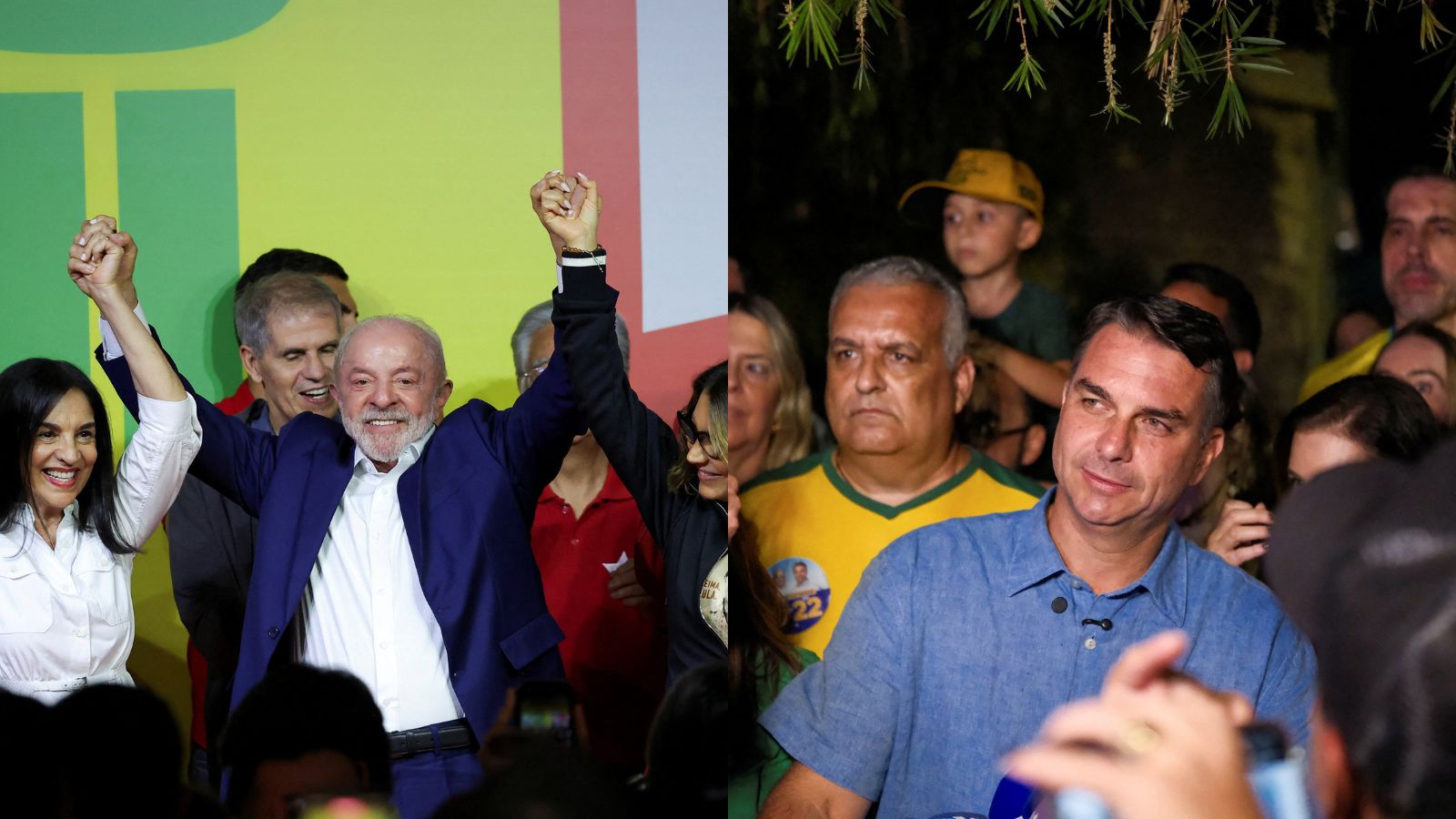
Brazil just shocked political analysts. Senator Flávio Bolsonaro outperformed every single major poll in Sunday's opening presidential ballot, pulling 47.45 percent of the valid votes against incumbent left-wing President Luiz Inácio Lula da Silva, who secured 44.66 percent.
With neither candidate crossing the fifty percent threshold required to settle things immediately, the contest heads straight into a high-stakes runoff scheduled for October 25. If you only looked at the mainstream polling numbers leading up to October 4, this result feels like an upset. If you walked the streets of São Paulo or Rio de Janeiro and listened to ordinary citizens, it makes complete sense.
Voter fatigue is real. Economic pressures have collided with shifting geopolitical tensions, creating an electoral earthquake that changes the direction of Latin America's largest democracy. Let's break down what actually happened at the ballot box and what it means for the upcoming runoff.
The Right Wing Expanded Beyond Its Base
Polling aggregates consistently underestimated the momentum behind Flávio Bolsonaro, the eldest son of former president Jair Bolsonaro. Analysts kept treating this election as a strict repeat of past ideological wars, assuming Lula's traditional working-class support would easily anchor his re-election bid. That calculation ignored how deeply the ground has shifted under the feet of the ruling Workers' Party.
Flávio didn't just hold the traditional conservative stronghold of the agro-industrial and southern states; he picked up crucial protest votes from moderate urbanites who had initially planned to back candidates like former Minas Gerais governor Romeu Zema. Disillusionment with public spending, heavy household debt, and persistent street crime pushed voters toward the right, even among demographics that previously voted center-left.
When people struggle to pay for groceries despite falling national unemployment numbers, political loyalty evaporates fast. The first round proved that anti-establishment sentiment in Brazil has matured into a disciplined, organized voting bloc.
Economic Anxiety Trumped Social Programs
Lula built his career on robust social spending and reducing historical inequalities. Those programs still protect millions of families, but they couldn't insulate voters from the bruising realities of the current cost-of-living crisis.
Inflation and sluggish economic growth dominate everyday life. Voters care less about macro-level statistical improvements when their personal credit card bills keep mounting. Flávio capitalized directly on this frustration by framing the race around everyday affordability and promising a business-friendly environment that encourages private wealth creation instead of state dependency.
Furthermore, the campaign suffered from a severe lack of substantive policy debates. Both leading candidates avoided major television showdowns, turning the airwaves into a battleground of scandals rather than a platform for reform ideas. That vacuum allowed voter anger over inflation and local security concerns to dictate the narrative.
The Washington Factor and Foreign Policy Stakes
You cannot separate Brazil's domestic politics from its international positioning right now. The runoff takes place against a backdrop of intense diplomatic friction with Washington. Lula's administration has openly criticized U.S. foreign policy and deepened strategic economic ties with China, drawing sharp rebukes and economic pressures from American allies.
Flávio has made no secret of his desire to reset relations with the Trump administration, campaigning heavily on securing favorable economic deals—particularly within the critical rare-minerals sector—and pushing for a tougher line on transnational crime syndicates. Meanwhile, domestic institutions have faced immense strain. Allegations of foreign interference and ongoing political scandals involving Supreme Court figures have added fuel to an already volatile fire.
The October 25 runoff is no longer just about taxes or infrastructure. It is a referendum on Brazil's place in a shifting global order. Lula must now scramble to pick up center-left and moderate votes from candidates who have already signaled they will offer no formal endorsements. Flávio enters the final stretch with unexpected wind in his sails, forcing the incumbent into the fight of his political life.
Watch the momentum closely over the next three weeks. Pay attention to how both campaigns address urban security and household debt, because those two issues will decide who runs the country next.