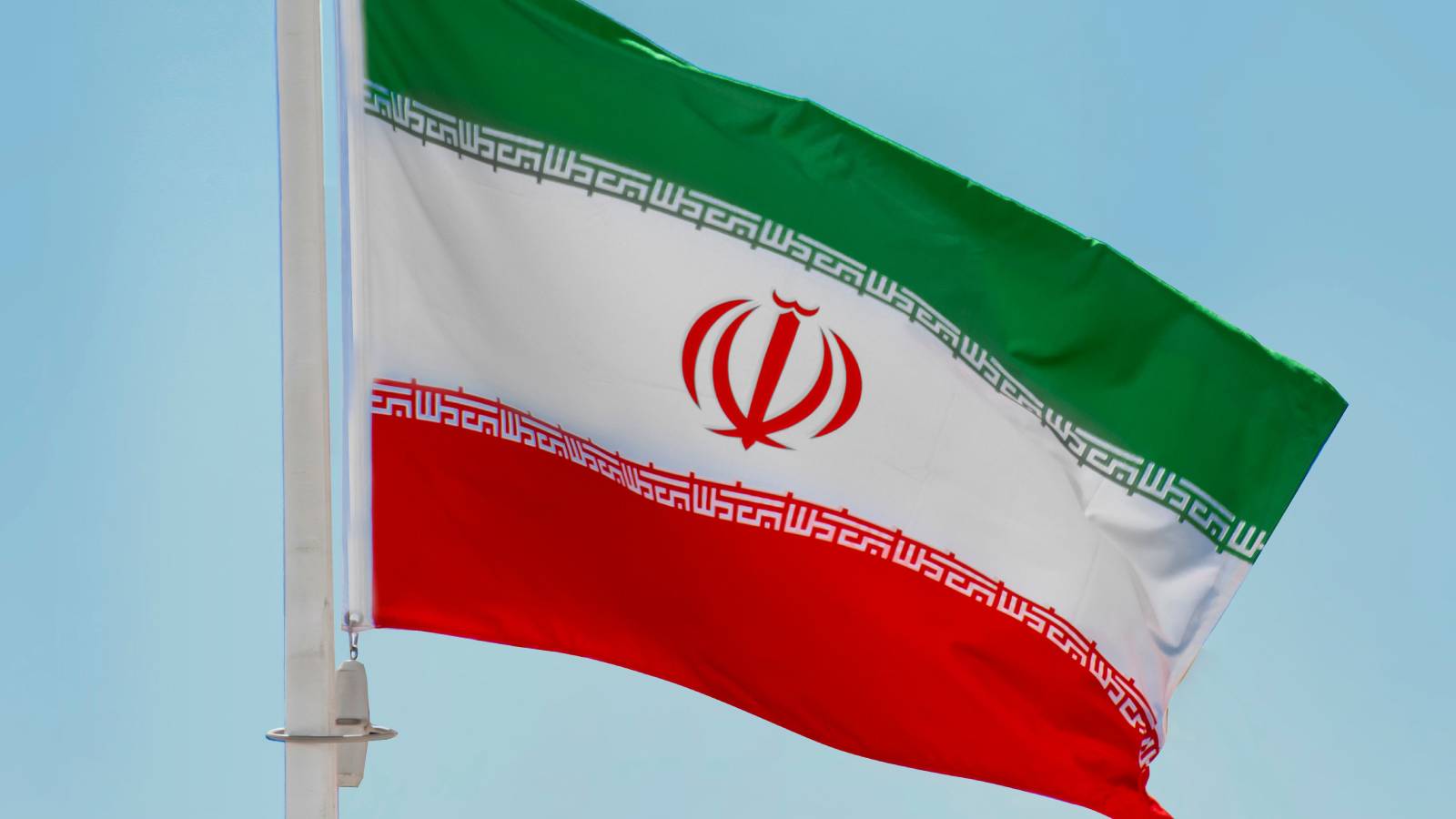
Look closely at what's happening on the ground in late November 2026. The headline about Israel on high alert over a potential surprise Iranian attack sounds simple enough, yet the real story is far messier than a looming missile barrage.
Yes, the Israel Defense Forces are keeping readiness elevated and working hand in glove with U.S. Central Command. Still, treating this alert like a countdown to a single dramatic strike misses the friction inside Jerusalem, the pressure around the Strait of Hormuz, and the quiet shift toward asymmetric plots.
I've watched Middle East security reporting for years, and whenever officials talk about "high alert," readers usually picture air-raid sirens and ballistic salvos first. Right now, defense planners are worried just as much about infiltration cells, kidnappings, car bombings, and hits on regional shipping or U.S. bases.
Why Israel Is on High Alert Without Waiting for a Known Trigger
A military alert isn't a light switch that flips only when satellites spot fueled launchers. Honestly, it's a posture designed to buy time when intelligence is murky and talks are stuck.
In mid-November 2026, U.S. Central Command chief Adm. Brad Cooper met in Tel Aviv with IDF Chief of Staff Lt. Gen. Eyal Zamir and Mossad director Roman Gofman to review regional threats and operational readiness. Those talks followed reports that Israel's security cabinet had already pressed for higher readiness amid stalled negotiations over Tehran's nuclear program, missiles, and maritime access.
At the same time, major combat has largely remained in a tense, uneven lull since the April 2026 ceasefire, even as maritime clashes, drone incidents, and naval blockade pressures keep flaring around the Gulf and the Strait of Hormuz. When diplomatic off-ramps stall and maritime friction drags on, commanders treat every quiet window with suspicion.
Asymmetric Plots vs. Direct Missile Volleys
Here's the catch that a lot of quick news summaries gloss over. Security officials have warned that Iran's leadership knows the heavy cost of launching massive direct strikes from its own soil, making indirect and asymmetric moves more attractive.
Reports from late November point to growing concern over potential Iran-linked plots targeting Israeli soil, including suspected infiltration by armed cells, kidnappings, and car bombings. Meanwhile, drone and missile activity across the Gulf—affecting shipping lanes, air bases, and nearby states like Bahrain and Kuwait—shows how quickly the threat can spill sideways.
You don't need a full-scale war to rattle a country or disrupt global trade. A handful of well-timed covert or maritime blows can do plenty of damage on their own.
The Quiet Argument Inside Jerusalem and Washington
If you assume Israel's leadership speaks with one voice on what to do next, you're missing half the tension. Behind closed doors, there's a real debate over timing, urgency, and whether to go it alone or stay tied to Washington.
Reporting from late November highlights sharp friction between pushing for aggressive action and urging restraint. Mossad director Roman Gofman has reportedly argued for striking Iran even without U.S. involvement, pointing to concerns over secret chemical weapons activity, even as reports indicate Mossad researchers themselves saw no immediate urgency for a strike.
IDF chief Lt. Gen. Eyal Zamir, by contrast, has favored close coordination with the United States and reportedly argued there isn't an immediate need to rush into an attack, even while viewing future rounds of fighting as plausible over the longer haul. Prime Minister Benjamin Netanyahu has kept pressure on for tough action against the Iranian threat, while U.S. President Donald Trump has publicly kept military options on the table—naming Iran's underground Pickaxe Mountain site as a target if strikes resume—while also speaking about giving diplomacy room to work.
That split matters because going solo carries steep trade-offs. As military analysts like Yossi Yehoshua have noted in The New Arab coverage of Yedioth Ahronoth, acting independently gives Israel freer decision-making, yet the U.S. brings heavy bunker-busting munitions, aerial refueling, air-defense depth, and diplomatic weight that no single partner can easily replace.
What People Usually Get Wrong About a "Surprise" Attack
Folks often picture a surprise attack as something that comes out of nowhere. In practice, surprises in the Middle East rarely happen in a vacuum; they happen when leaders misread each other's red lines or a minor incident spirals out of control.
Three common misconceptions trip readers up right now:
- A high-alert headline means war starts tomorrow. Alerts are often precautionary and political as much as tactical. Governments raise readiness to deter miscalculation and reassure allies while talks drag on.
- Only big nuclear or missile sites matter. Hardened underground facilities like Pickaxe Mountain get big headlines, yet tanker safety, port blockades, air defenses, and covert cells inside or outside the region create immediate day-to-day risk.
- Everyone agrees on the intelligence picture. Even inside the same intelligence agency or defense establishment, analysts and commanders can weigh the exact same data and reach different conclusions on urgency.
Still, we should be candid about what outside observers can't see. Classified intelligence, covert operations, and private backchannel messages aren't public, so any outside assessment has real blind spots.
Where Things Stand for Travelers, Businesses, and Watchers
If you're tracking this story for business, travel, or regional risk, don't rely on single-day outrage headlines. Look for patterns instead.
First, watch airspace advisories and maritime warnings closely. Recent drone incidents and tanker strikes in the Gulf have already triggered flight diversions and heightened force protection across regional bases and infrastructure.
Second, separate rhetoric from force posture. Tough speeches from capitals happen every week, while actual shifts in naval deployments, air-defense batteries, and diplomatic talks tell you whether escalation is genuinely building.
Finally, cross-check multiple outlets—such as The Jerusalem Post, The Times of Israel, and Critical Threats—before forming a view. Staying calm, verifying details, and tracking real operational moves will serve you far better than chasing every rumor.