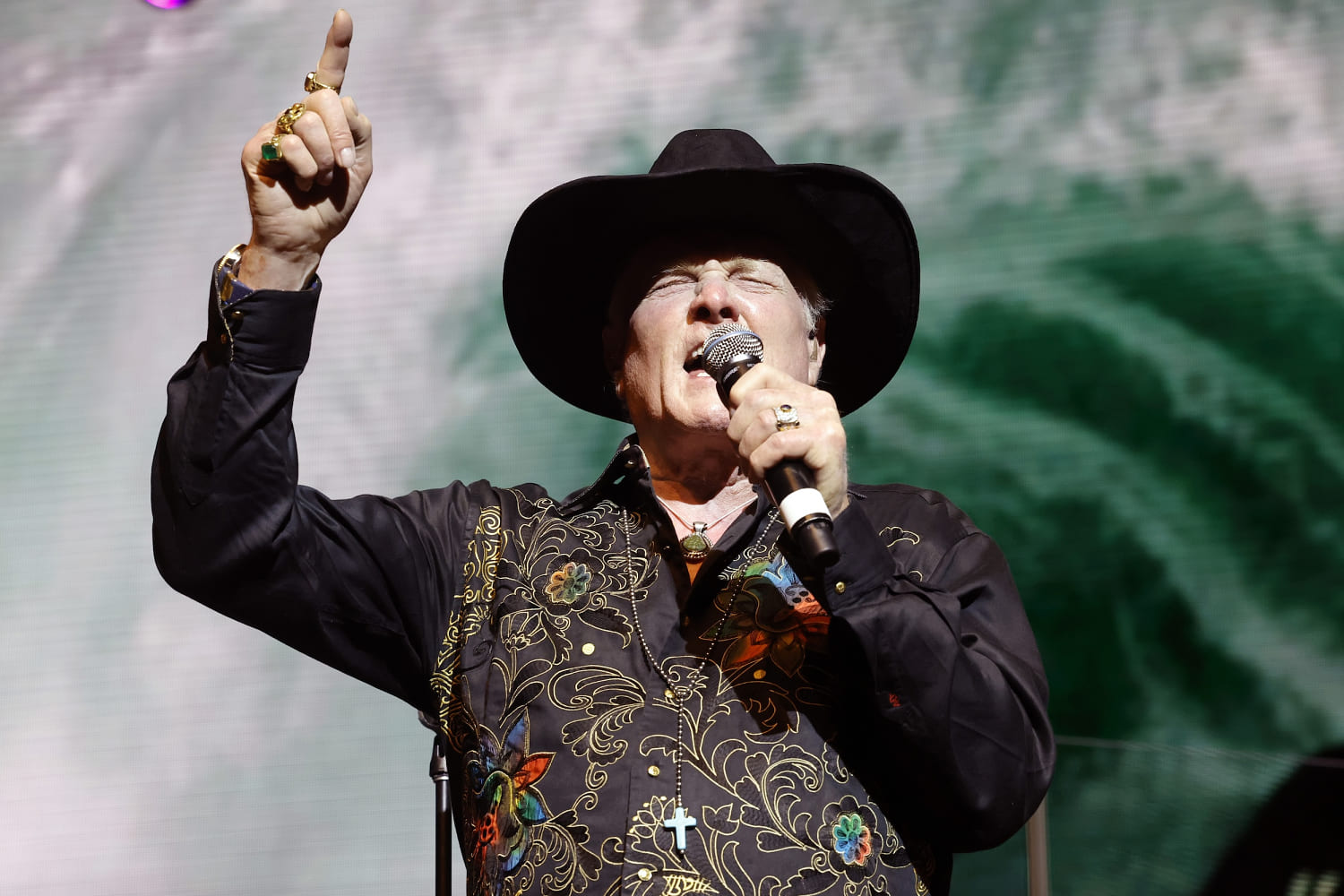
Mike Love died at 85 on Saturday evening, November 28, 2026, surrounded by family, his publicist Katie Altman confirmed. No cause of death was announced right away. His passing comes just a year after cousin Brian Wilson died in June 2025, leaving Al Jardine as the sole surviving founding member of the group Love helped launch in 1961.
Breaking news stories tend to treat Mike Love as either a footnote to Brian Wilson's studio genius or a lightning rod for lawsuits and band drama. That shortcut misses the real story. Love was the steady engine keeping the Beach Boys name on marquees for over six decades, singing lead on iconic tracks and shaping lyrics people still shout back at summer concerts. Also making headlines recently: Why Bo Derek And John Corbett Almost Said No To Gene Hackman's Dog.
Why Mike Love Shaped The Beach Boys Sound
When people picture the Beach Boys, they usually think of studio wizardry first and stage grit second. Fair enough, since Brian Wilson built extraordinary arrangements in the studio. Still, songs need a voice that cuts through car speakers and amphitheater air, and Love's nasal baritone gave the catalog its unmistakable swagger. Additional details on this are detailed by Associated Press.
He sang lead or co-lead on foundational hits including "Surfin' U.S.A.," "I Get Around," "California Girls," and "Little Saint Nick". On the writing side, Love co-wrote staples like "Fun, Fun, Fun," "Help Me, Rhonda," "Good Vibrations," and "Do It Again," with outlets noting his role on the chorus hook of "Good Vibrations". Years later, in 1988, he co-wrote "Kokomo," giving the group a No. 1 hit long after their original 1960s run.
Honestly, fans often argue over who deserves credit for what, and that tension never really went away. Critics and purists frequently favored experimental studio albums over nostalgia sets, while Love leaned hard into the hooks, sun-drenched imagery, and crowd-pleasing hits that packed venues year after year.
Credit Battles and Band Friction
You can't talk about Love honestly without mentioning the friction behind the scenes. Longstanding disputes over songwriting credits, royalties, and brand control split the band more than once. Love pursued legal action over credit and compensation, eventually securing roughly $5 million and a share of 35 songs after years of contention, and later held rights to the Beach Boys name with Wilson's blessing.
By the mid-2020s, those rifts still echoed publicly. Following Wilson's death in 2025, bandmates and observers continued debating legacy and memory, showing how deeply personal the group's history remained. Even as late as October 2026, Love still appeared live with the band—looking frail and remaining seated during a show at Nashville's Ryman Auditorium—before passing away the following month.
What People Usually Get Wrong About His Career
A common myth is that Brian Wilson wrote and produced every major piece of the classic catalog alone while Love just stood at the mic. Love pushed back directly against that narrative over the years, pointing out his co-writing role across major hits. At the same time, exact percentages of contribution remain debated among historians, bandmates, and fans, so claiming a single neat version of events would gloss over real disagreements.
Another misconception is that touring endlessly with classic hits is "easy." Playing the same catalog for decades takes stamina, tight arrangements, and a willingness to give audiences the songs they came to hear—even when critics roll their eyes at "Kokomo". Whether you view Love as a savvy brand steward or a polarizing figure, his touring schedule kept the Beach Boys alive as a live act longer than almost anyone expected.
- Listen past the singles: Revisit deep cuts and collaborative tracks to hear how lead vocals, harmonies, and lyrics lock together.
- Check primary liner notes and interviews: Compare perspectives across band members rather than relying on a single headline summary.
- Separate studio innovation from live legacy: Appreciate both the studio craft of the 1960s and the decades of roadwork that kept the songs in circulation.
If you're signed in to a Google Account, you can also save this conversation to come back to later as more tributes and details emerge.