When a defense secretary faces impeachment proceedings initiated by members of his own political party, Washington pays attention. Pete Hegseth isn't backing down. He's firing back hard, dismissing the entire move as a calculated political theater designed to undermine the administration rather than address legitimate constitutional concerns.
If you've been following the chaos coming out of Washington, you know this fight has been brewing for months. Let's break down why this impeachment push is happening right now, what triggered it, and why Hegseth's defense relies heavily on framing the whole thing as an orchestrated attack.
The Trigger Behind the Impeachment Push
The push to oust the defense secretary didn't come out of nowhere. Representative Thomas Massie filed articles of impeachment targeting Hegseth's handling of military actions—specifically pointing to the unauthorized military campaign in Iran and controversial naval strikes targeting drug cartels in the Pacific and Caribbean.
Critics argue these actions violated the War Powers Resolution of 1973 and bypassed congressional authorization entirely. Opponents call it executive overreach of the highest order. But look closer at the timing. This move follows brutal midterm elections where congressional battles left the political landscape fractured and looking for someone to blame.
Hegseth’s allies see right through it. They argue the impeachment articles are a desperate publicity stunt weaponized by lawmakers who disagree with the administration's aggressive foreign policy choices.
Inside Hegseth’s Counter-Attack
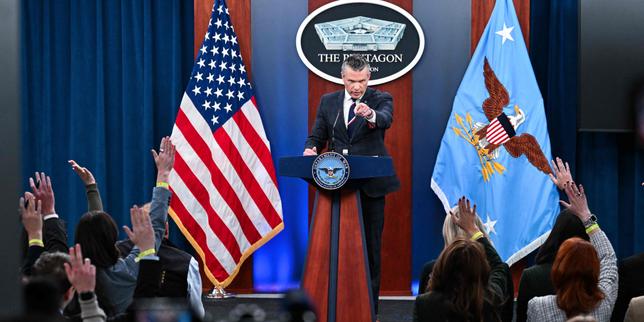
Instead of keeping a low profile, Hegseth took the fight directly to the press and public. During high-profile briefings at the Pentagon, he didn't mince words. He called the impeachment effort a farce, a media stunt, and a direct sabotage of American military success in real time.
"They're not just attacking me," Hegseth argued during his defense. "They're attacking the brave men and women executing these missions because our policies are effective."
He maintains that the military operations in Iran and beyond were necessary, courageous, and historic. By shifting the narrative from a legal violation to an attack on the troops themselves, Hegseth is rallying his base and daring congressional critics to own the political fallout of trying to bench a wartime defense chief.
What Happens Next in Congress
Let's be realistic about the math in Washington. Even if the House moves toward a vote, removing a cabinet secretary requires a two-thirds majority in the Senate. With Republicans retaining substantial numbers in the upper chamber, an actual conviction remains a steep uphill battle.
Yet, the symbolic damage and the political polarization are already baked into the cake. Lawmakers on both sides are using the spotlight to score points ahead of upcoming legislative shifts.
You're watching a classic DC clash where constitutional checks and balances collide with raw political survival. Whether this impeachment effort fizzles out like past stunts or leaves a permanent mark on the Pentagon's leadership depends entirely on how much political capital congressional rebels are willing to burn before January.
Don't expect either side to blink first. The battle lines are already drawn.