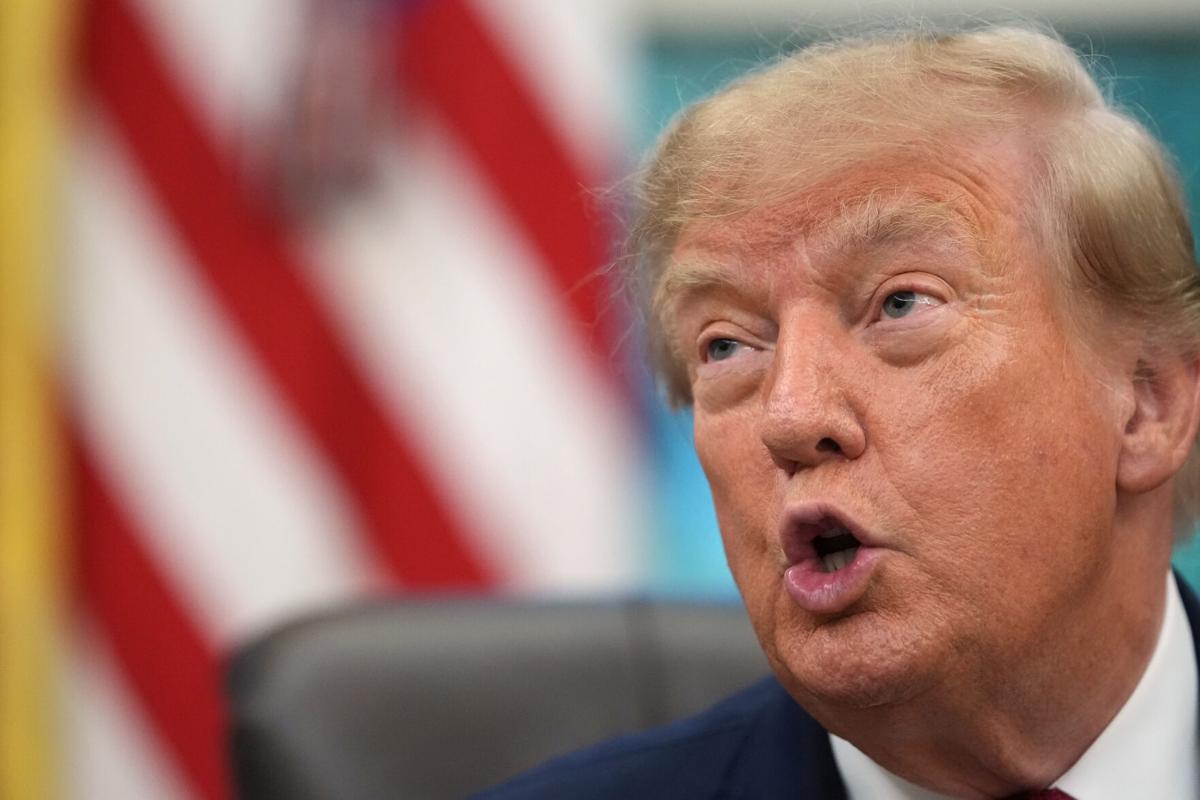
U.S. Defense Secretary Pete Hegseth didn't mince words at a recent Pentagon press briefing. He stepped up to the podium, stared down the cameras, and called the active congressional effort to impeach him a complete farce and a political stunt.
If you've been following Washington politics lately, you know things rarely stay quiet for long. But this feud represents a sharp, deeply personal clash within the Republican party itself. Outgoing U.S. Representative Thomas Massie introduced eight articles of impeachment against Hegseth, pointing directly to the handling of the war with Iran, military operations targeting Houthi forces in Yemen, and controversial lethal strikes against alleged drug-smuggling vessels in the Caribbean and eastern Pacific.
Hegseth pushed back hard. He didn't just deny wrongdoing; he turned the tables on his critics.
The Core Argument Behind the Impeachment Push
Why are lawmakers moving against a sitting defense secretary? Critics like Massie argue that the administration overstepped legal bounds. Specifically, they point to military actions in Iran lasting more than ninety days without explicit congressional authorization, citing the War Powers Resolution.
Then there are the maritime operations. The Pentagon reports striking more than seventy alleged drug-smuggling boats, resulting in over two hundred deaths of suspected traffickers. Human rights groups have labeled those kinetic strikes unlawful attacks against civilians, while congressional critics argue the administration is running rogue military campaigns disguised as counter-narcotics missions.
Massie and other detractors frame this as a constitutional crisis over executive overreach. They believe Congress must assert its war-making powers, regardless of who sits in the Oval Office.
Hegseth Fights Back
Hegseth rejected that framing entirely during his combative appearance. He called the push a personal spectacle driven by ego and resentment from a defeated lawmaker.
"In 250 years of our American republic, no secretary of war or secretary of defense has ever been impeached for carrying out lawful military operations," Hegseth told reporters. He rattled off historical precedents, noting that past administrations launched military interventions under Reagan, Clinton, Obama, and Biden without cabinet-level impeachments.
According to the defense chief, the effort sets a dangerous precedent. He warned that pursuing an impeachment over completed military operations sends a toxic signal to foreign adversaries like Iran and active drug cartels.
"It tells our enemies that the United States will actually punish its own warriors and its own civilian leadership for successfully executing lawful military operations," Hegseth argued
Why Pentagon Chief Pete Hegseth Dismisses the Impeachment Push as Political Theater
news
Washington politics moves fast, but the rhetoric around national security leadership hits differently when raw political battles spill onto the floor of Congress. Pete Hegseth isn't playing by standard diplomatic playbooks. When faced with an impeachment effort, the Pentagon chief labeled the entire political maneuvering a farce. He isn't wrong about how weaponized oversight looks from the inside.
If you've watched Washington for more than five minutes, you know that impeachment threats have shifted from rare constitutional safety valves to routine partisan weapons. Hegseth's blunt pushback highlights a growing rift between executive defense leadership and legislative oversight committees. But beneath the shouting matches, a deeper structural battle is playing out over accountability, executive power, and how defense policy gets made in an era of hyper-partisanship.
Understanding the Impeachment Push Against Defense Leadership
You have to look at the broader legislative climate to understand why things escalated this quickly. Lawmakers on Capitol Hill often use high-profile threats to force policy changes, grab media attention, or satisfy fundraising bases. When political opponents target a defense secretary, the friction rarely stays confined to committee rooms. It spills across cable news networks, divides military analysts, and creates real operational distractions inside the Department of Defense.
Hegseth's dismissal of the proceedings as a farce targets the performative nature of modern oversight. When congressional hearings turn into viral soundbite factories rather than serious inquiries into policy or military readiness, public trust takes a hit. Leaders inside the Pentagon have a job to do. They manage global deterrence, force posture, and multi-billion-dollar acquisitions. Spending weeks preparing defenses against political charges feels like a massive misallocation of time when global security challenges are mounting daily.
The Reality of Civil-Military Relations Under Pressure
Civil-military dynamics require a delicate balance. Elected officials write the checks and set the broad legal boundaries. Appointed leaders execute those directives and manage the armed forces. When that relationship breaks down into threats of removal, the friction damages institutional stability.
Let's be honest about how this works behind closed doors. Defense officials expect tough questioning. They know oversight is part of the deal. Oversight hearings are supposed to test strategy, budget execution, and legal compliance. However, when oversight morphs into personal political attacks, the institutional guardrails strain.
The military itself prefers quiet competence over political theater. Service members want leaders focused on readiness, equipment maintenance, and strategic posture. When senior leadership gets sucked into congressional food fights, morale and focus can drift. Hegseth's aggressive pushback serves a dual purpose. It signals strength to his internal stakeholders and calls out what he views as bad-faith tactics from political adversaries.
What Washington Gets Wrong About Accountability
Critics arguing for impeachment claim they are defending the rule of law and constitutional norms. Supporters of the administration argue the opposite—that the process has been corrupted into a tool for obstruction. Both sides claim the high ground, but the reality on the ground is messier.
True accountability requires consistency. If every policy disagreement or controversial personnel decision triggers a threat of impeachment, the mechanism loses all its constitutional weight. Framers designed impeachment for high crimes and misdemeanors, not for policy friction or partisan frustration. When political actors stretch the definition to cover routine governance disputes, they cheapen the tool.
Moving Past the Noise
The noise coming out of Washington won't stop anytime soon. Election cycles run back-to-back, and the incentive structures in modern media reward escalation over compromise. If you want to cut through the theater, stop watching the daily headlines and start looking at institutional outcomes. Pay attention to readiness reports, budget execution, and actual strategic shifts on the global stage. That's where the real story lives. Ignore the political posturing and focus on the mechanics of national security policy as it unfolds day by day.