What started as a reward trip for a group of Indian corporate professionals ended in absolute disaster off the coast of Vietnam. On Saturday afternoon, July 11, 2026, a tourist speedboat carrying 36 people capsized near Phu Quoc Island. The accident claimed the lives of 15 Indian tourists, exposing serious, uncomfortable questions about safety standards in one of Southeast Asia's fastest-growing vacation hotspots.
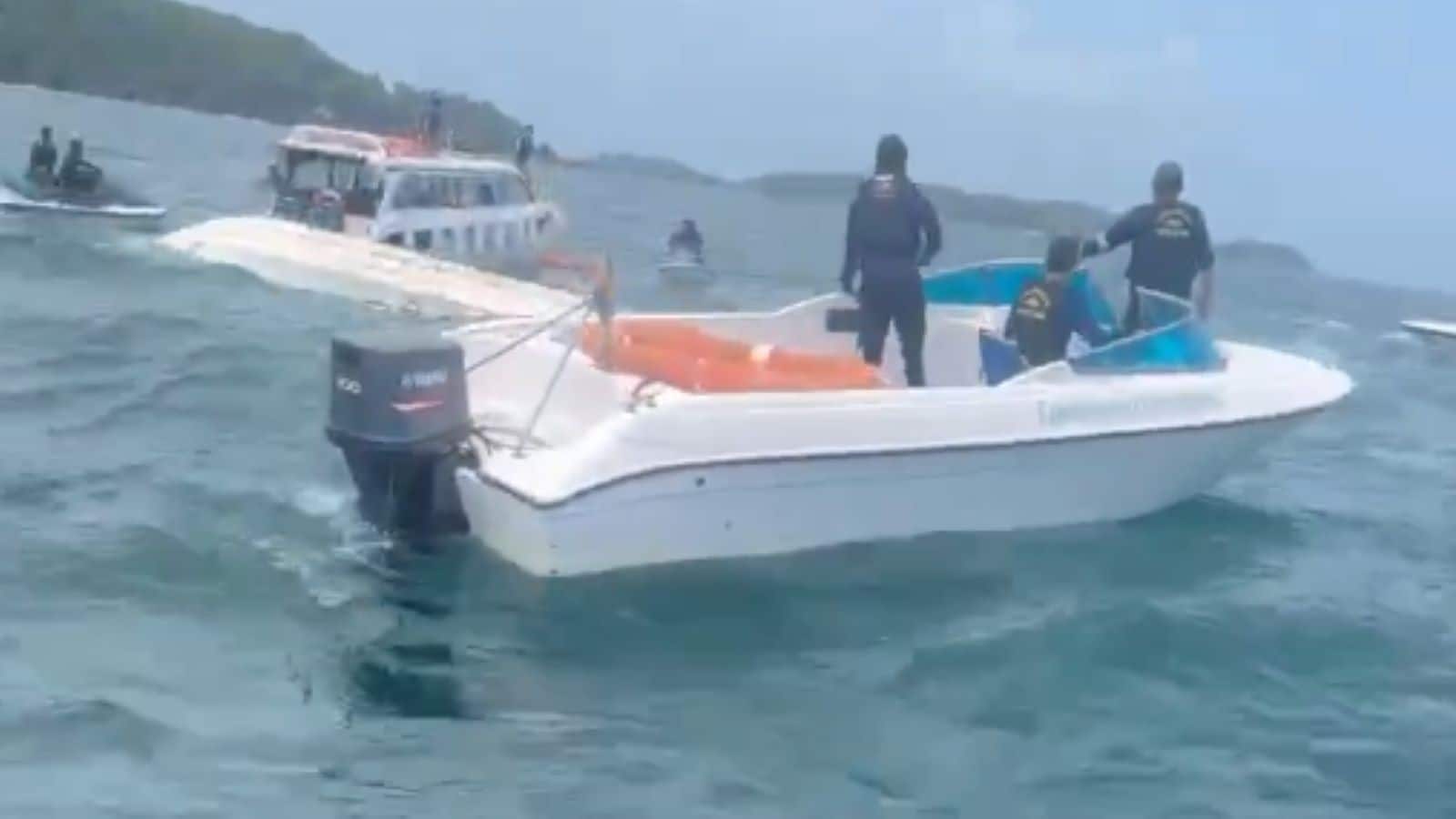
People are searching for answers about how a routine island-hopping excursion turned lethal so quickly. The facts are clear. Around 1:00 p.m. local time, a speedboat operated by Ocean Pear Island Company was transporting 32 Indian tourists and four crew members from Hon May Rut Island back to An Thoi Port. The vessel was just 400 meters out when it suddenly overturned in rough waters, trapping multiple passengers underneath its hull.
The tragedy has triggered frantic government responses across two nations. Indian Prime Minister Narendra Modi expressed deep grief over the incident, while Vietnam Prime Minister Le Minh Hun issued an urgent directive ordering a full investigation. Here is what went wrong, who was affected, and the harsh realities of maritime safety that travelers cannot afford to ignore anymore.
The Chaos at Sea and the Tragic Toll
The tourist group, largely associated with an incentive trip for India's Lava Mobile, included travelers from Tamil Nadu, Andhra Pradesh, Telangana, and Kerala. They were wrapping up an island tour when the sea conditions deteriorated. Local rescue workers reported that while it was not raining, the waters off An Thoi were remarkably choppy.
Emergency response teams faced a nightmare scenario. When the boat flipped, the majority of the passengers were thrown into the sea, but the design of the speedboat meant several individuals were caught inside the overturned cabin. Nearby tourist boats rushed to help within five minutes, but the structural trap made it incredibly difficult to pull people out in time.
Local fishermen and border guards performed desperate CPR on the shore. By the time the rescue operations concluded, emergency workers had accounted for all 36 people on board. Twenty-one individuals survived, though multiple passengers remain hospitalized, including two in critical condition. The 15 deceased tourists include 13 men and two women, with officials identifying victims from multiple Indian states, including Gelli Jayalakshmi and Mudium Sridhat from Andhra Pradesh.
What Caused the Phu Quoc Speedboat to Overturn
Initial reports from the Phu Quoc Special Economic Zone authorities point toward a deadly combination of sudden mechanical malfunction and aggressive wave action. The boat capsized almost immediately after departing, meaning the vessel faced maximum vulnerability while navigating the open waters near Hon May Rut Ngoai Islet.
This brings up a massive issue that seasoned travelers know all too well. Speedboat operations in booming tourist hubs frequently push the limits of capacity and weather warnings. Local tour operators under pressure to hit schedules often gamble with rough waters if there is no active storm. In this case, other tourist boats were still operating in the area, creating a false sense of security despite the heavy swells.
The tour itself was organized by Threeland Travel and handled by a local vendor, Sai Vietnam. Investigators are currently checking whether the vessel was carrying its exact legal weight limit and whether life jackets were properly distributed and worn by the passengers before the capsize occurred.
The Immediate Steps for Anyone Traveling Abroad
This tragedy is a brutal reminder that safety regulations vary wildly once you cross international borders. You cannot assume a tour company has vetted its equipment or checked the marine forecast just because they have an active storefront.
If you plan on taking boat excursions anywhere in Southeast Asia, you need to take safety into your own hands.
- Check the vessel yourself before boarding. If a speedboat looks overcrowded or lacks clear storage for life vests, do not get on it.
- Put on the life jacket immediately. Do not leave it on the floor or use it as a cushion. In a capsize event, a boat flips in seconds, leaving zero time to locate a vest.
- Register with your local embassy when traveling. The Indian Embassy in Hanoi and the Consulate in Ho Chi Minh City quickly set up emergency helplines because they had clear frameworks to coordinate with Vietnamese officials, which speeds up repatriation and medical aid.
The Vietnamese government faces immense pressure to clean up its maritime enforcement. Phu Quoc welcomed over five million tourists in the first half of this year alone. If local authorities do not enforce strict weather grounding rules and mechanical checks on these local speedboats, this will not be the last tragedy to hit the island.